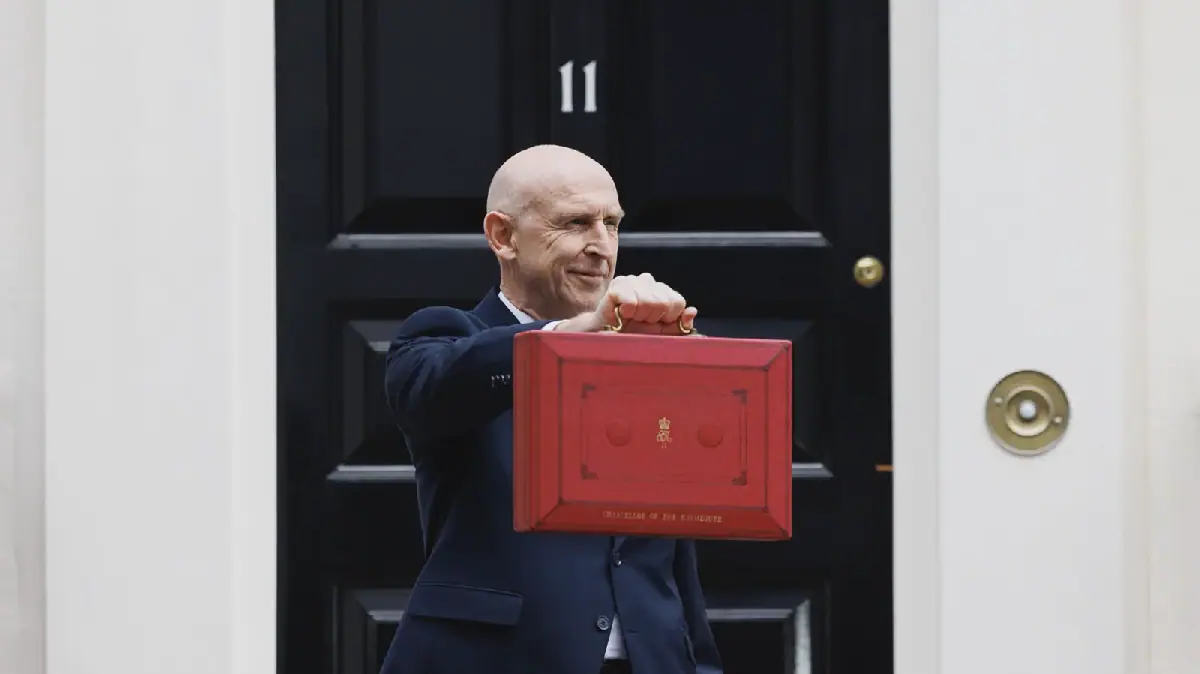
Chancellor John Healey's decision not to raise local housing allowance rates in the autumn budget has drawn criticism from campaigners. The freeze, which has been in place since 2024, has led to a significant gap between housing benefit and rising rents. As a result, low-income renters are struggling to find affordable housing, with many facing impossible choices between paying rent or facing homelessness.
The local housing allowance determines the amount of housing benefit renters on low incomes receive to cover their rent. However, with rents rising by 23.3% since the last uprating, the affordability gap has increased. According to Resolution Foundation analysis, this gap is now at a record high, equivalent to £170 a month for a typical family in a two-bedroom home. This situation has led to concerns that the government's goal of ending rough sleeping may be at risk.
Campaigners, including Generation Rent chief executive Holly Williamson, have expressed disappointment with the government's decision. They argue that the freeze forces families into poverty and vulnerability to homelessness. Williamson also questioned the government's commitment to ending rough sleeping, given the lack of affordable long-term homes for people currently sleeping rough.
Private rents across the UK have continued to rise, with an average increase of 3.8% in the year up to September 2026, according to Office for National Statistics figures. Estimates suggest that renters could see an extra £700 paid on rent in the next year, which may offset some of the cost-of-living support provided by the government. The Renters' Rights Coalition has called for an urgent cap on rent increases to reduce poverty and prevent homelessness.
The decision to freeze local housing allowance has significant implications for low-income households. With social housing stock falling due to the Right to Buy scheme and a shortage of new homes, many households have little choice but to look to the private rented sector. Councils are spending almost £3 billion a year housing over 135,000 households in temporary accommodation across England. An open letter signed by over 40 organizations, including Shelter and Crisis, had called for the government to unfreeze LHA rates to provide relief to struggling renters.
The government's commitment to addressing homelessness has been questioned in light of the LHA freeze. Greater Manchester mayor Andy Burnham had previously argued for LHA to be unfrozen, citing concerns about the impact of cuts on housing benefit. He rejected a Conservative proposal to cut LHA rates to fund defense spending, warning that it would lead to increased homelessness. The government has confirmed additional funding for social and affordable housing, including £1.5bn for the social and affordable housing programme to deliver 180,000 new social homes between 2026 and 2036.
The government has also announced plans to support first-time buyers, including the Your First Home scheme, which aims to help people access the housing market with a 2.5% deposit and a government-backed equity loan. However, critics argue that these measures do not address the root causes of the rental affordability crisis. Homelessness charities, including St Mungo's, have welcomed the funding for rough sleeping but expressed concerns about the impact of the LHA freeze on vulnerable households.
Key points
- The UK government's decision to freeze local housing allowance rates has sparked concerns about its ability to end rough sleeping.
- The affordability gap between private rents and housing benefit has increased, with rents rising by 23.3% since the last uprating.
- Campaigners are calling for an urgent cap on rent increases to reduce poverty and prevent homelessness.