Malawi is set to launch new regulatory frameworks for electric mobility and net metering, aimed at supporting the country's energy transition. The Malawi Energy Regulatory Authority (MERA), working with the Ministry of Energy, will introduce the Electric Mobility Regulatory Framework and Net-Metering Rules on 4 November 2026. This move is expected to provide clearer guidelines for areas that will play a crucial role in Malawi's energy transition. The frameworks are designed to encourage investment, support renewable energy adoption, and strengthen the country's energy system.
The electric mobility framework will provide regulatory direction for the development of Malawi's electric vehicle sector. Clear rules will help create a more predictable environment for investors, businesses, and consumers, while supporting the development of charging infrastructure and related services. A growing electric mobility market could encourage new businesses, support technical skills development, and create investment opportunities in vehicle maintenance, charging systems, and renewable-powered transport infrastructure.
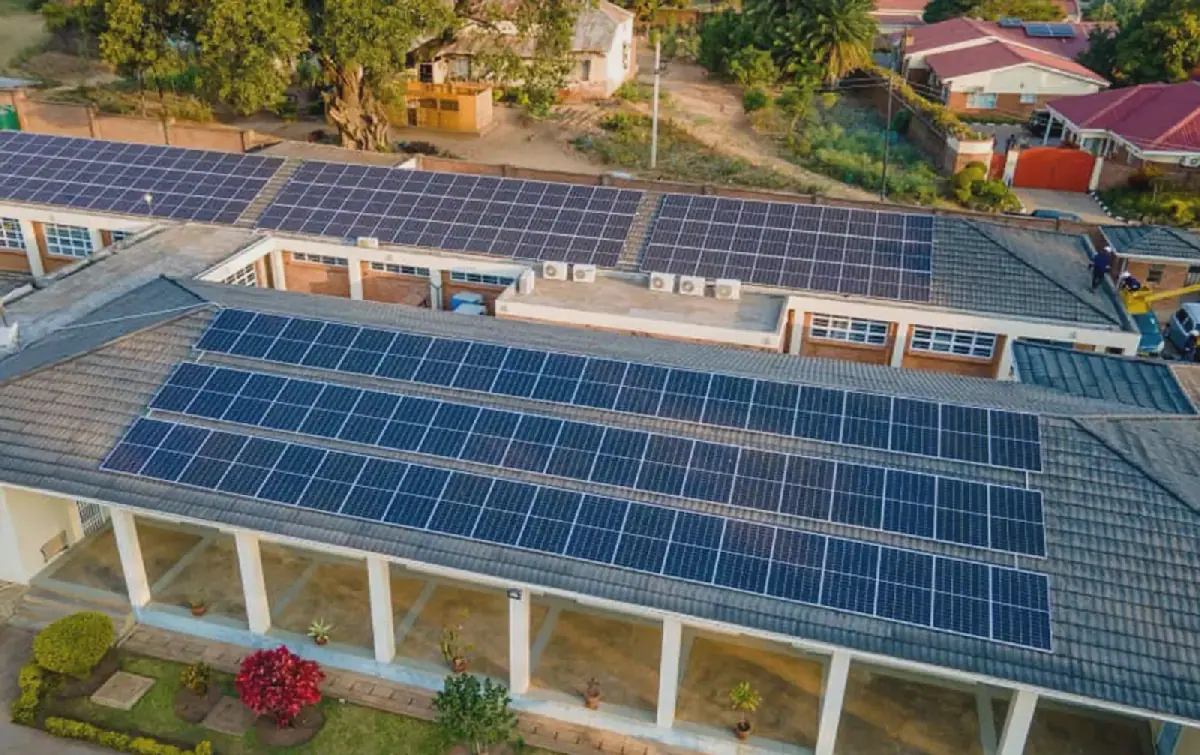
The net-metering rules are designed to support consumers and businesses that generate electricity, particularly through solar installations. Net metering allows eligible users to feed surplus electricity into the grid, subject to applicable regulatory and technical arrangements. This is significant for Malawi, where access to reliable electricity remains a major development challenge. According to World Bank data, Malawi's electricity access rate was 25.9 per cent in 2024, comprising 11.3 per cent through grid connections and 14.6 per cent through off-grid solutions.
Malawi has already begun testing net-metering arrangements through a pilot programme involving 34 participants with a combined installed capacity of approximately 3.9 megawatts. The Electricity Supply Corporation of Malawi has been involved in the implementation of the pilot programme. The new rules could provide a clearer basis for expanding such arrangements, encouraging households and businesses to invest in distributed renewable energy while contributing surplus power to the national electricity system.
Successful implementation of the new rules will require more than regulatory approval. Malawi will need adequate grid infrastructure, transparent connection procedures, effective consumer protections, and financing options that make electric mobility and solar installations accessible beyond a limited group of early adopters. The government will need to ensure that the frameworks are supported by investment and consistent regulation to achieve their intended objectives.
The planned launch of the Electric Mobility Regulatory Framework and Net-Metering Rules represents an important policy development for Malawi. If implemented effectively, the frameworks could help Malawi broaden its energy options, encourage private-sector participation, and advance a more sustainable approach to electricity and transport. The country's energy transition is expected to benefit from the new regulations, which will support the growth of electric mobility and renewable energy.
The introduction of the new rules is a significant step towards addressing Malawi's energy challenges. The country's energy sector is expected to benefit from increased investment, improved access to electricity, and a more sustainable approach to energy production. The implementation of the Electric Mobility Regulatory Framework and Net-Metering Rules will be crucial in determining the success of Malawi's energy transition.
Key points
- Malawi introduces new electric mobility and net-metering rules to support energy transition.
- The new rules aim to encourage investment, support renewable energy adoption, and strengthen the country's energy system.
- Successful implementation will require adequate grid infrastructure, transparent connection procedures, and financing options.