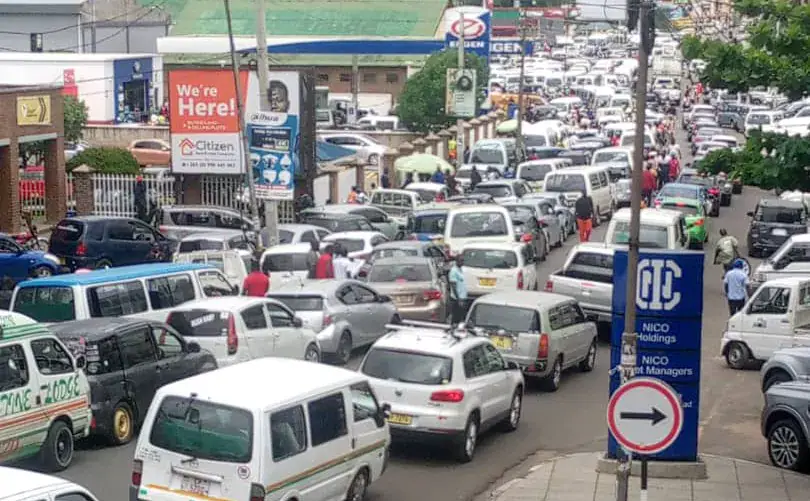
The fuel crisis in Malawi has persisted for three months, with the government's assurances of a resolution yet to be fulfilled. Energy Minister Jean Mathanga initially stated that the fuel situation would normalize within five days from October 15, 2026, with tankers en route from Tanzania and Mozambique. However, by October 25, 2026, despite claims of procuring 23.6 million liters of fuel, the situation remained unchanged.
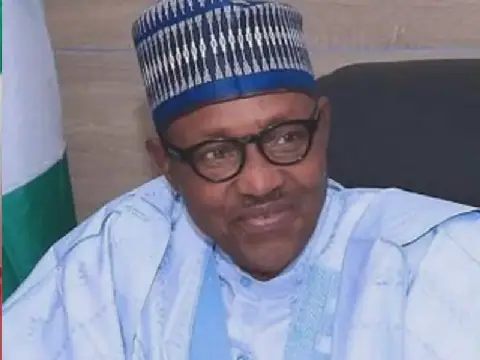
President Peter Mutharika has attributed the ongoing shortages to logistical challenges, stating that fuel destined for Malawi is stuck in neighboring countries. This explanation has been met with skepticism, particularly given the longstanding issue of inadequate foreign exchange to finance fuel imports. Transport and Public Works Minister Jappie Mhango cited the Iran-US conflict as a contributing factor, a stance that has drawn criticism from the opposition.
The government's latest policy allowing strategic companies to import diesel for their own use has been criticized for leaving ordinary motorists and households struggling. The opposition DPP had previously dismissed the MCP administration's similar explanation involving the Russia-Ukraine war, highlighting the seeming inconsistency in the government's stance on geopolitical conflicts.
The DPP's campaign record has come under scrutiny, particularly its 2025-2030 manifesto, which outlined specific commitments to address economic stability and forex availability. The party promised to negotiate a new Extended Credit Facility programme with the International Monetary Fund (IMF), secure $1.5 billion to $2 billion in financing, reintroduce $500 million in government-guaranteed revolving Letters of Credit, and reverse restrictions on foreign currency accounts.
Malawians are questioning the government's progress on these six-month promises, which were made ahead of the September 16, 2025 General Election. With the party now in government, citizens are entitled to ask about the status of these commitments, particularly regarding the establishment of the promised $500 million revolving Letters of Credit facility and the securing of $1.5 billion to $2 billion in financing.
The government's explanation that economic stabilization may take two years due to inherited empty coffers has been contrasted with the DPP's campaign assurances. The opposition had presented solutions and a return to economic stability, but now the government is asking for patience. Malawians are seeking tangible solutions and measurable progress rather than excuses.
The prolonged fuel shortages have significant implications for motorists, transporters, businesses, and households. The government's failure to secure adequate fuel supplies has raised questions about accountability and the need for a clear, workable plan to restore normal supply. Ultimately, the DPP must demonstrate what its promised return to proven leadership means in practice.
Key points
- The Malawian government is under scrutiny for its handling of the fuel crisis.
- The government's assurances of a resolution to the fuel crisis have yet to materialize.
- The DPP's campaign promises have been called into question amid the ongoing fuel shortages.
Reporting sources
- From six months to God-knows-when · The Nation