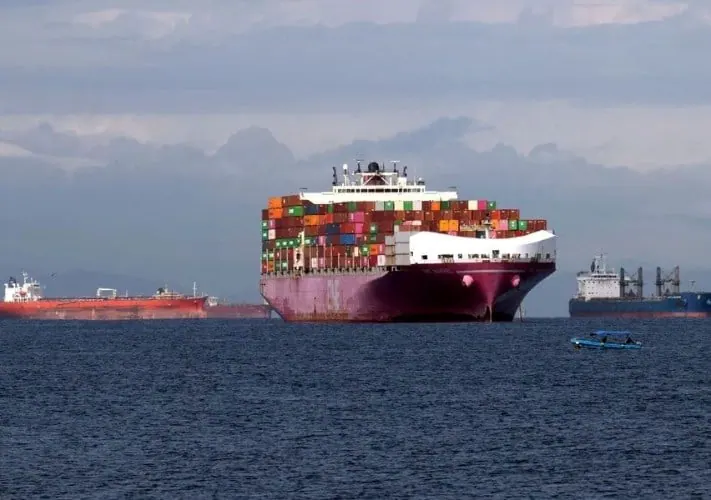
A recent analysis by Alphaliner reveals that the top ten shipping lines have reduced their reliance on leased container ships since 2021-2022. The pandemic-induced shipping boom allowed many lines to purchase new and used ships, decreasing their dependence on the leasing market and increasing control over their fleets. Previously, shipping lines typically had 40-70% of their capacity leased; now, this ranges from 30-40% among the top five companies.
The trend varies among the top ten shipping lines, with HMM recording one of the largest declines. In 2016, leased capacity accounted for 56% of HMM's container fleet, but now it makes up less than 20%. Alphaliner attributes this shift to the expansion following the collapse of Hanjin and South Korean government support, which included acquiring 59 new ships.
CMA CGM's leased capacity decreased from 67% in 2016 to around 34% currently. Most of this decline occurred after the pandemic, as the company purchased 160 used container ships and added 100 new ships to its network. Despite this, CMA CGM still uses non-operating owner (NOO) vessels and continues to operate in the leasing market.
MSC reduced its leased capacity from 61% in 2016 to 36% currently. This decline is more notable considering that the ratio was around 75% during the pandemic. According to Alphaliner, MSC has literally halved its reliance on ship leasing over the past five years, shifting its strategy towards owning vessels, starting from late 2020.
Since then, MSC has ordered 252 new ships and purchased 500 used container ships. The company's leasing activity has decreased, with around 40 contracts this year, which is three to four times lower than in previous periods. Evergreen has decreased its leased capacity from 42% to 28% over the past decade, having ordered 125 new ships since 2021.
Yang Ming's ratio decreased from 63% in 2016 to 50% currently. Changes were more moderate among Maersk, ONE, COSCO Group, and Hapag-Lloyd. Maersk's leased capacity is around 38%, seven percentage points lower than in 2016. The company maintains a strong presence in the leasing market, having entered into at least 130 leasing contracts since early 2026.
ONE relies on leasing for around 53% of its operational capacity, while COSCO Group's ratio is 40%, having decreased by 12-13 percentage points over the past decade. Hapag-Lloyd's ratio decreased by 15 percentage points to around 39%. ZIM is a notable exception, maintaining a ratio of 85-98% of its operational capacity through leasing over the past decade.
Key points
- Top shipping lines reduce reliance on leased container ships.
- Companies opt for ownership, increasing control over fleets.
- Trend varies among shipping lines, with some exceptions.