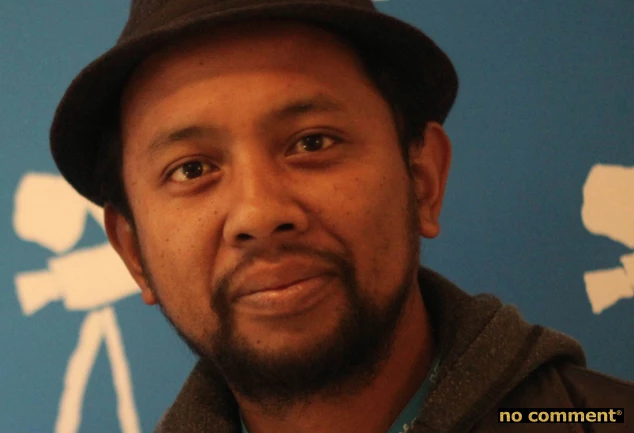
Renowned Malagasy filmmaker Lova Nantenaina has released his latest documentary, "Île était une fois," which explores traditional crafts on the brink of disappearance in Madagascar and Réunion Island. The film, which premiered in Antananarivo on March 19, offers a poignant look at the lives of artisans struggling to preserve their heritage. Through a series of portraits, Nantenaina sheds light on the challenges faced by these craftsmen and women. The documentary has garnered attention for its thoughtful and sensitive portrayal.
Nantenaina's inspiration for the project dates back to 2008, shortly after he completed film school. He sought to confront the reality of his homeland, Madagascar, and explore the transmission of traditional knowledge and skills to future generations. The filmmaker's intention was to investigate the difficulties artisans encounter in passing on their expertise amidst dwindling resources. His journey took him to various locations, including Réunion Island, where he documented the lives of artisans such as beekeepers, salt farmers, and weavers.
The documentary features a unique narrative device – a travel journal – which allows Nantenaina to reflect on his experiences and provide context to the stories of the artisans he encountered. This approach enables the audience to engage with the subjects on a deeper level. The film includes portraits of remarkable individuals, such as Rasoa, a 60-year-old woman who specializes in repairing salt basins. Her story, along with those of others, is a testament to the resilience and dedication of these artisans.
Nantenaina's film highlights the impact of external factors on traditional crafts. For instance, the massive importation of salt has threatened the livelihoods of salt farmers in Réunion Island. In Madagascar, the devaluation of local salt and the looming presence of a mining project pose significant challenges to the artisans. The documentary raises awareness about the importance of preserving these traditional crafts and the need to support the artisans who practice them.
The production of "Île était une fois" was a collaborative effort, with Nantenaina working with two Réunion Island-based portraitists, Florence Vitry and Griotte. The film's animation, music, and design were also crafted by a team of talented artists. The documentary's aesthetic and technical aspects set it apart from Nantenaina's previous works, showcasing his growth as a filmmaker.
Since its premiere, "Île était une fois" has received positive attention, with screenings in Madagascar and Réunion Island. The film has also been selected for international festivals focusing on travel and cultural exploration. Nantenaina and his team are hopeful that television networks will take an interest in the documentary, allowing it to reach a broader audience.
The current situation in Madagascar's cultural and cinematic landscape presents challenges, but Nantenaina remains committed to sharing his work with the public. He hopes that once cinemas reopen, screenings of "Île était une fois" will continue, ensuring that the stories of these artisans are heard and their traditions preserved.
Key points
- The documentary "Île était une fois" explores traditional crafts in Madagascar and Réunion Island that are on the verge of disappearance.
- The film features portraits of artisans, including beekeepers, salt farmers, and weavers, highlighting their struggles and resilience.
- The documentary raises awareness about the importance of preserving traditional crafts and supporting artisans in the face of external challenges.