Africa's energy challenge has evolved beyond simply generating more electricity to building systems that deliver power reliably, affordably, and sustainably. A new power plant is ineffective if the grid cannot carry its electricity. Similarly, a transmission line is not a solution if distribution networks are weak. Private investment will be limited if utilities cannot pay suppliers, regulations are uncertain, and currency risks can turn viable projects into financial liabilities. The United Nations estimates 655 million people globally lack access to electricity, with 86% concentrated in sub-Saharan Africa.
The Afrobarometer's 2026 survey across 38 African countries reveals an enormous access deficit, with roughly 600 million Africans lacking reliable electricity access. Being connected to a grid does not necessarily mean having electricity when needed. Afrobarometer found that only 43% of Africans surveyed enjoy electricity that works "most" or "all" of the time, while 41% either have no connection or say their connection never works. In Zambia, fewer than one in ten respondents reported a reliable electricity supply. This reliability gap has profound economic consequences, affecting households and businesses.
The reliability gap affects households and businesses, with 41% of connected households receiving less than four hours of electricity a day, and only 28% meeting World Health Organisation minimum energy-service standards. Unreliable electricity impacts households' lighting, refrigeration, communication, and education, while businesses face damaged equipment, interrupted production, higher operating costs, and lost sales. Electricity access creates economic participation possibilities, but reliable electricity makes that participation productive.
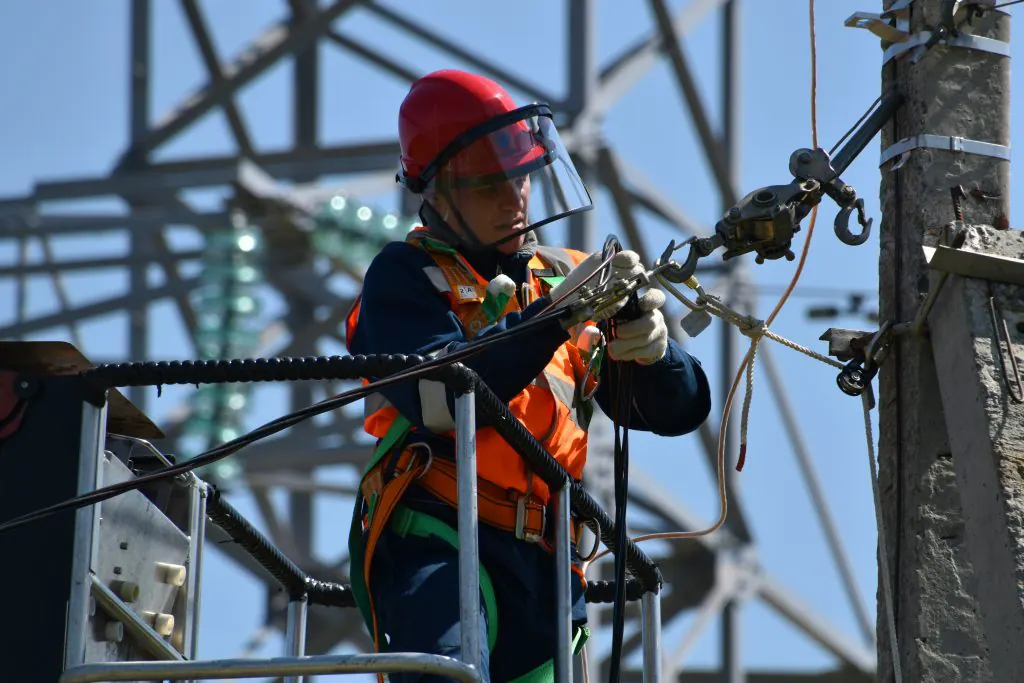
The African Development Bank estimates the continent's annual infrastructure financing gap at roughly $68 billion to $108 billion across sectors. Energy is a major part of that requirement, particularly transmission and distribution. Africa cannot close its electricity gap by building generation capacity alone; new solar farms, hydropower stations, and gas plants need transmission networks capable of moving power to where demand exists.
The African Single Electricity Market (AfSEM) seeks to connect national electricity systems through the continent's five regional power pools. Countries with temporary or structural power surpluses could sell electricity to neighbours facing shortages. Regional markets could allow countries to make better use of existing generation capacity, diversify supply, and reduce the need for every country to build sufficient reserve capacity independently.
The financial health of Africa's electricity utilities is a significant obstacle to scaling private investment. Nearly 70% of African utilities are estimated to be unable to recover their full operating costs, while more than half cannot cover basic operating expenses without government support. Technical and commercial losses are high, reaching 20-40% for many utilities and exceeding 50% in some cases.
To address these challenges, making power investable is crucial. This involves allocating risks transparently to parties best positioned to manage them. The objective should not be to eliminate risk but to allocate it effectively. With considerable momentum building around Africa's energy transition, initiatives like Mission 300 and the Access Push aim to drive progress.
Key points
- Africa's energy challenge shifts focus from generating electricity to building reliable, affordable, and sustainable systems.
- The African Single Electricity Market seeks to connect national electricity systems through regional power pools.
- The financial health of Africa's electricity utilities is a significant obstacle to scaling private investment.