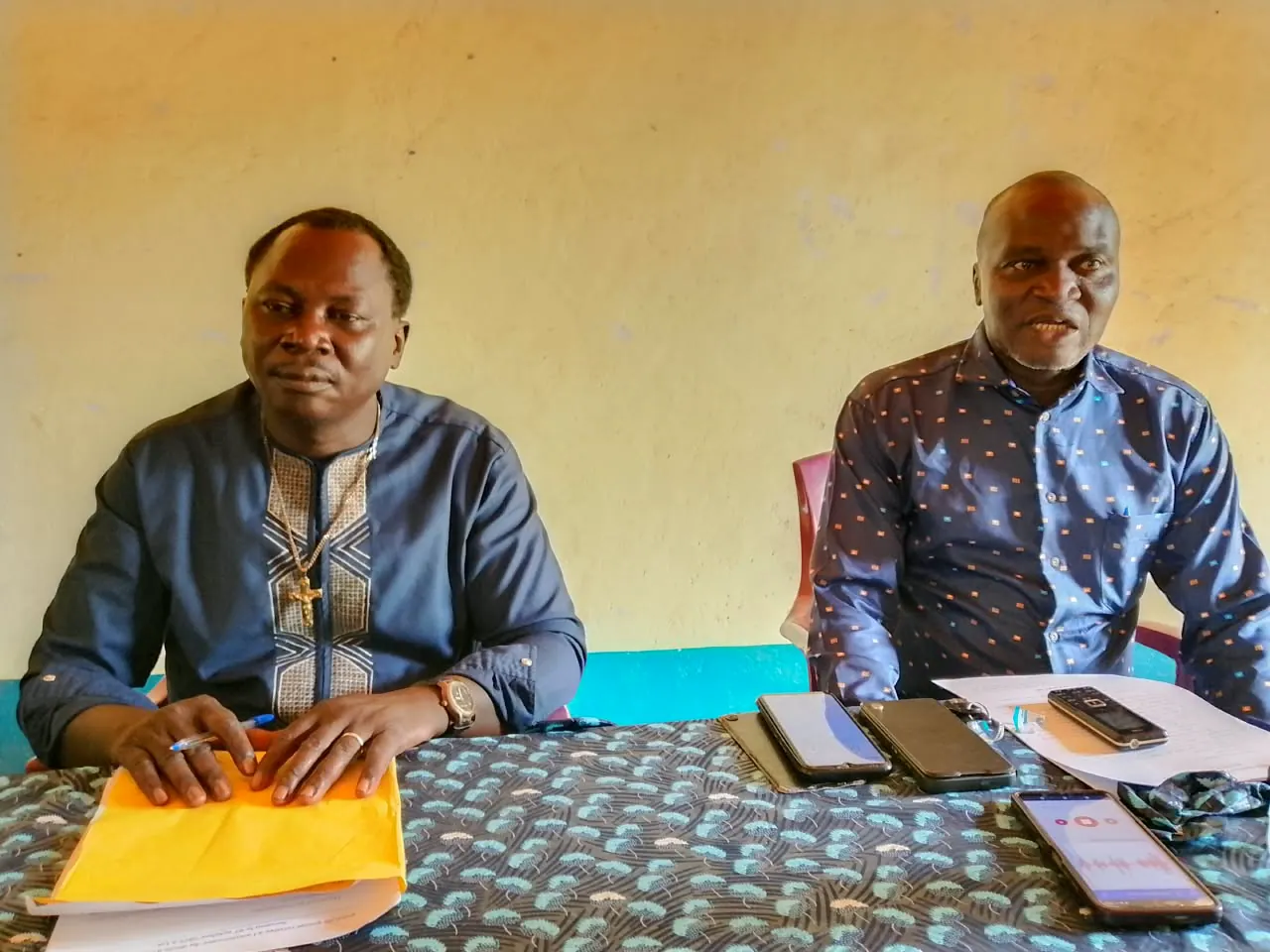
On October 7, Keïneng Emmanuel, a cultural heir to Alifa Daï, held a press conference in Laï to reflect on the remarkable journey of this Chadian artist. Alifa Daï began his musical career at a young age after losing his sight in 1952. He was initiated into music by the famous griot Dadje Guilou Mbadje. His talent and creative genius quickly gained attention, and he became a recognized figure in traditional Chadian music through his mastery of the cithare and performances at ceremonies.
Alifa Daï's compositions skillfully blended satire, wisdom, and humor, evoking emotions, laughter, and a desire to dance while conveying messages that encouraged good values and combated bad habits. His career flourished under the regimes of Ngarta Tombalbaye and Félix Malloum, during which he became the chef d'orchestre for musical groups accompanying the President of Chad on both domestic and international trips. This period solidified his reputation as one of Chad's prominent musical figures.
After his years of recognition, Alifa Daï returned to his maternal village of Tchoua, where he faced significant difficulties. The artist, gradually abandoned, lived in great poverty, often sleeping on the floor. In 2011, his artistic fate took a new turn when Maître Bechir Madet, a Chadian notary, discovered that Alifa Daï was alive. Madet's initiative allowed Alifa Daï to record his first album, "Consécration," and reappear on the scene.
Despite his musical resurgence, Alifa Daï spent his final years in precarious conditions, weakened by age and grief from the loss of his wife, Fatimé Dianne, and three of his four children. He primarily relied on the support of his nephews in the Tabah neighborhood. Towards the end of his life, Alifa Daï converted to Catholicism, receiving baptism at the Sainte-Famille Cathedral in Laï, where he found spiritual peace.
Keïneng Emmanuel, as a cultural heir, aims to preserve Alifa Daï's memory and work. He advocates for the preservation of Alifa Daï's name, songs, and musical legacy, as well as the protection of his cithare from environmental damage. This initiative seeks to transmit the works and values of this significant Chadian cultural figure to future generations.
The significance of Alifa Daï's legacy extends beyond his music, as he is remembered as a great name in Chadian culture. His contributions to traditional music have left a lasting impact, and efforts to preserve his work will ensure his memory endures.
The press conference, reported by Koumgue-Gueyeng Dono Emmanuel, highlights the importance of safeguarding Chad's musical heritage and the cultural impact of Alifa Daï's life and work.
Key points
- Keïneng Emmanuel seeks to preserve Alifa Daï's musical legacy and cultural impact.