Life in Mekelle, the capital of Ethiopia's troubled northern Tigray region, remains far from normal, months after a brief war between the Tigray People's Liberation Front (TPLF) and the national army. For Firut Me'ar, a single mother and owner of a local hair salon, daily life is a struggle. With many residents unable to afford basic necessities, let alone beauty services, Firut's business is almost non-existent. The uncertainty about what the future holds weighs heavily on the minds of the people.
The conflict in Tigray began in late September, with fighting between the TPLF and the national army, a resumption of the two-year civil war that officially ended in 2022. The federal forces quickly gained control of Mekelle and other main towns, with the TPLF making a strategic withdrawal. Hundreds of people were reported to have died in the conflict, including dozens killed by drone strikes and bombing raids by the air force.
Ethiopian government officials and supporters argue that the war is effectively over, with the only remaining task being to clear Tigray of TPLF elements. Getachew Reda, a senior TPLF official who switched sides and now advises the prime minister, declared that the war in Tigray had ended and that stabilising the region should be the immediate priority.
Analysts point to various reasons for the TPLF's rapid defeat, including the loss of popular support, fragmentation, and a lack of advanced military technology. Cameroon Hudson, an analyst and consultant on African peace and security, notes that the TPLF has lost many of its generals, strategic thinkers, and finest diplomats and fighters, either through defections or arrests.
However, TPLF spokesperson Mikael Asgedom denies that the group has lost, describing their withdrawal as a deliberate tactical and strategic retreat. He claims that the TPLF is preparing for a major counteroffensive and has launched attacks against Ethiopian forces in several locations. Residents in different parts of Tigray report that fighting is continuing in central, northern, and north-western parts of the region.
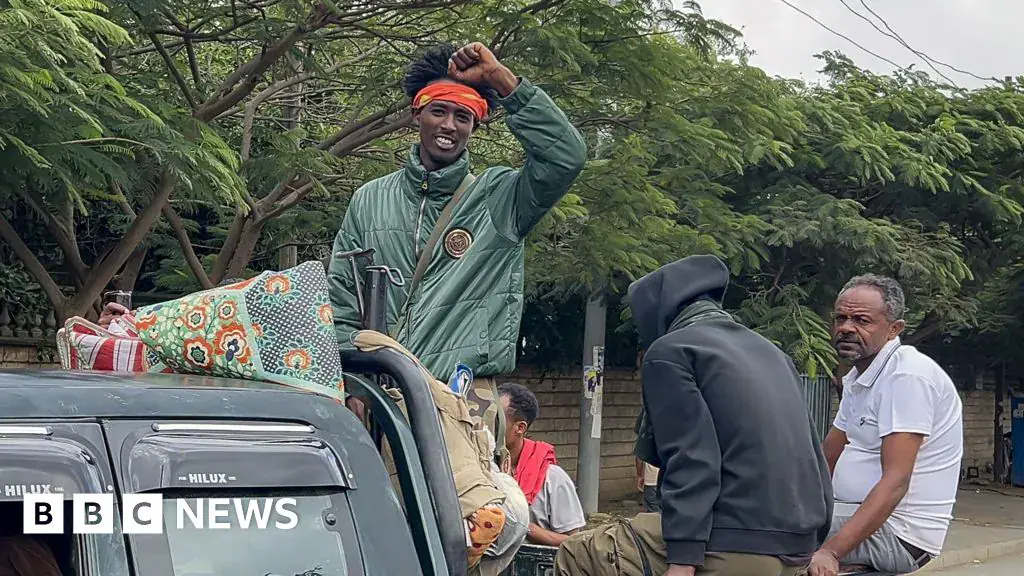
The conflict has also led to a sense of fear and anxiety among residents, with memories of the devastating 2020-2022 Tigray war remaining raw. The sight of soldiers from Eritrea, accused of some of the worst atrocities in the previous conflict, has reopened still-fresh wounds. Military sources aligned with the federal army say operations against the TPLF are continuing, with recent fighting and troop movements reported in northern Tigray.
Security analysts and observers agree that unrest is likely to continue for some time, with some predicting a prolonged war in Tigray. Yared Tibebu, an Ethiopian commentator, believes that the TPLF has a long history of waging protracted armed struggles and will attempt to resume offensive operations once they have reorganised their military and political structures.
Key points
- The conflict in Tigray has resulted in significant human suffering, with hundreds of people reported dead and many more displaced.