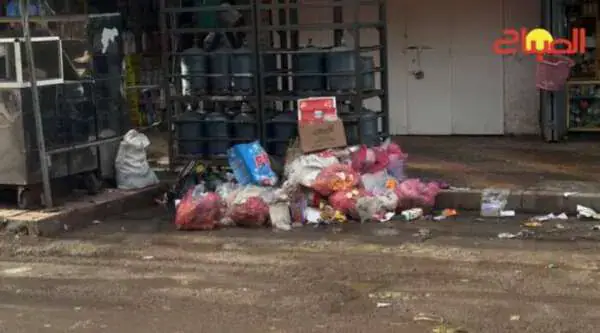
The cleanliness crisis in Casablanca has spread beyond low-income neighborhoods, with affluent areas like Maarif now facing significant waste management challenges. Residents and passersby have expressed frustration with the situation, which has resulted in an unsightly urban environment and unpleasant odors. Local authorities have allocated substantial funds to address the issue, but the persistence of these problems has raised concerns about the effectiveness of current waste management strategies.
A recent field survey in various streets and alleys of Casablanca revealed a decline in cleanliness standards in some areas. Plastic bags and household waste are piling up alongside sidewalks, and trash is scattered in public spaces that should be kept clean. This situation not only mars the urban landscape but also sparks discontent among residents and pedestrians. The Maarif neighborhood, a prominent commercial and residential area, is no exception to this phenomenon.
The accumulation of waste in Maarif and other areas has sparked questions about the regularity of waste collection services and the level of oversight exercised by local authorities. The issue is not limited to aesthetics; it also has serious implications for public health and hygiene. Residents have complained about the lack of trash cans in some areas, contributing to the spread of waste outside designated collection points.
The Casablanca municipal council has allocated significant funds for waste management, including 1.2 billion dirhams for new waste management contracts. This substantial budget underscores the need for effective waste management services that meet technical and financial commitments. Companies contracted to manage waste collection and disposal must provide services that justify the financial outlay and meet residents' expectations.
The persistence of waste management issues in Casablanca has drawn criticism from local councilors, who have called for greater accountability and more effective oversight. They argue that simply renewing contracts and allocating funds is insufficient; concrete actions are needed to address the root causes of the problem. Councilors have emphasized the need for a more proactive approach to waste management, including closer monitoring of service providers.
The waste management crisis in Casablanca highlights the need for a comprehensive and sustainable solution. While the city aims to modernize its infrastructure and improve its urban image, the continued presence of waste in public spaces undermines these efforts. Effective waste management is crucial to maintaining a clean and healthy environment, and residents expect tangible improvements in this area.
Ultimately, resolving the waste management issue in Casablanca will require a concerted effort from local authorities, service providers, and residents. The city must translate allocated funds into tangible services that benefit residents and improve the urban environment. By working together, stakeholders can develop a more effective and sustainable approach to waste management, enhancing the quality of life for Casablanca's residents.
Key points
- The Casablanca municipal council has allocated 1.2 billion dirhams for new waste management contracts.
- Waste management issues persist in affluent areas, including the Maarif neighborhood.
- Local councilors have called for greater accountability and more effective oversight to address the waste management crisis.
Reporting sources
- الأزبال تغزو البيضاء · Assabah