Mozambique is seeking $37.2 billion over the next decade to strengthen its climate resilience and protect its population, according to President Daniel Chapo. He made the appeal at the COP31 Leaders' Summit in Antalya on November 11, 2026. The funding will cover adaptation, disaster-risk reduction, and community protection. This appeal is one of the largest adaptation finance requests heard at COP31.
The need for climate resilience funding in Mozambique is underscored by the country's experience with climate-related disasters. Between 2000 and 2025, Mozambique experienced over 76 climate-related disasters, resulting in losses of over $4.5 billion. These disasters damaged homes, transport links, public services, and productive assets, with recovery costs falling on the state and affected businesses.
The most recent rainy season in Mozambique, which occurred from October 2025 to April 2026, caused significant damage. According to the National Institute for Disaster Risk Management and Reduction, the season resulted in 311 deaths and affected approximately 1.07 million people. This recent experience reinforces the need for Mozambique to build systems that can withstand future shocks.
Mozambique has already taken steps to enhance its climate resilience. The government has developed 141 local adaptation plans and established over 1,500 local disaster-risk management committees. A National Adaptation Plan has been created to integrate climate risks into local development planning and prioritize early-warning systems. These structures provide a credible pipeline for development finance.
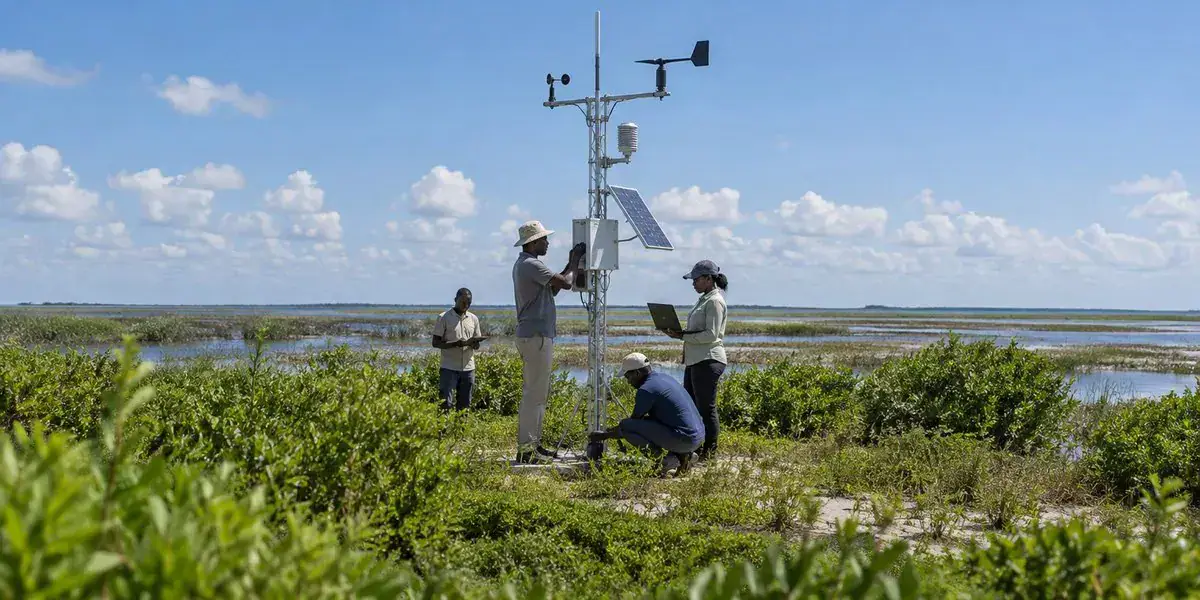
The funding requested by Mozambique can be used for various purposes, including weather monitoring, evacuation systems, flood protection, and climate-aware public investment. This shift from emergency response to planned risk reduction is a priority for the country. Mozambique is not alone in its appeal, as the Adaptation Fund has recently committed $35 million to African climate resilience.
The $37.2 billion financing request tests the ability of climate-finance providers to fund adaptation at scale. Unlike mitigation projects, resilience assets produce returns mainly through avoided losses, which can limit predictable revenue streams. However, public guarantees, results-based funding, and insurance-linked instruments can improve the bankability of such projects.
President Chapo also urged major economies to reduce emissions and honor existing climate-finance commitments. He linked Mozambique's appeal to wider calls for more accessible funding across Africa. The President emphasized that Mozambique's climate-finance request converts repeated disaster losses into a sizeable infrastructure investment agenda, which development financiers will be watching closely.
Key points
- Mozambique requires approximately $37.2 billion over the next 10 years to strengthen climate resilience and protect its population.
- The country has experienced over 76 climate-related disasters between 2000 and 2025, resulting in losses of over $4.5 billion.
- Mozambique has developed 141 local adaptation plans and established over 1,500 local disaster-risk management committees to enhance its climate resilience.
Reporting sources
- Mozambique climate resilience needs US$37.2B in a decade · FurtherAfrica