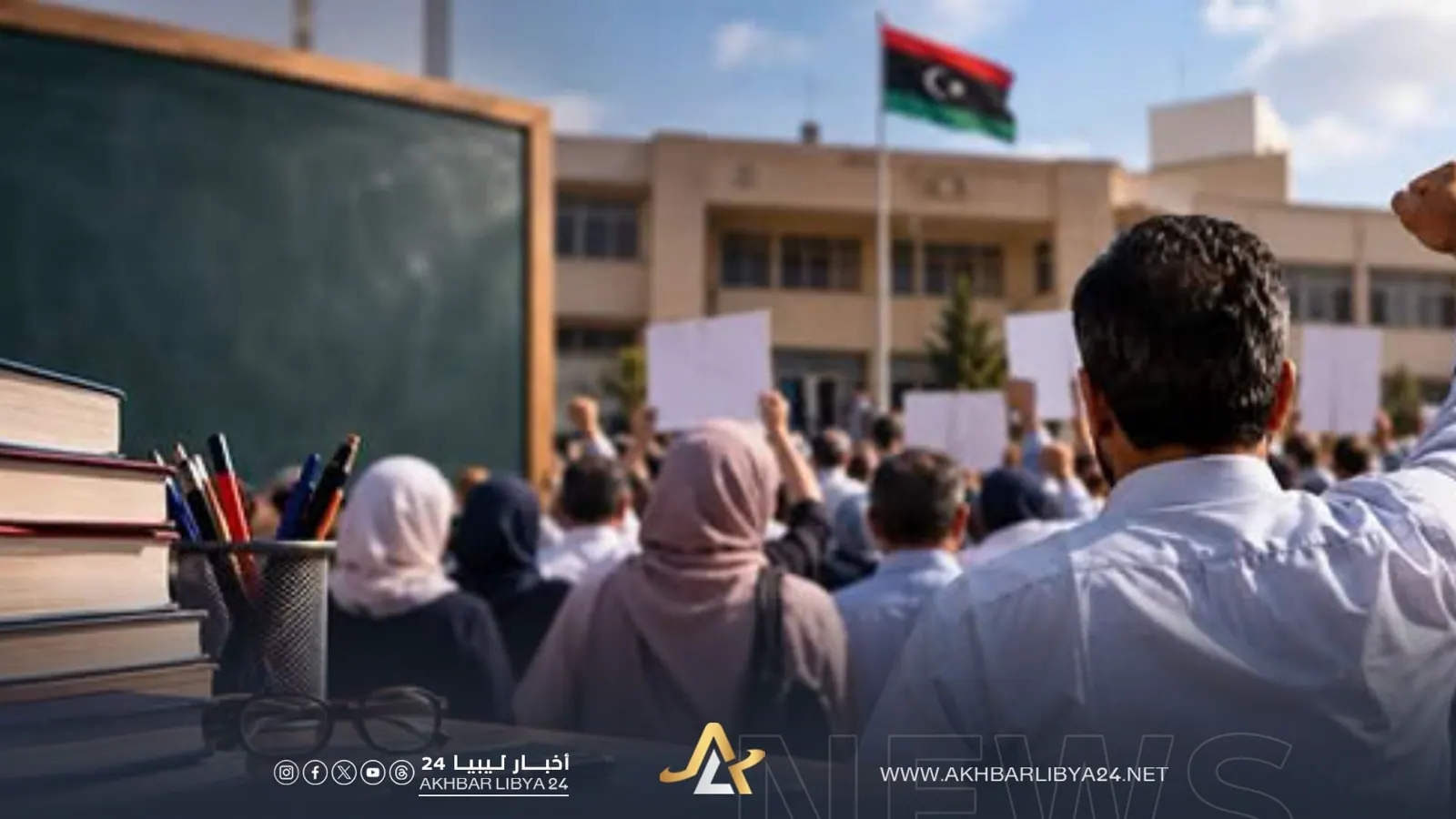
The Libyan Teachers' Union in Tripoli has stated that the reopening of schools is contingent upon the government's response to their demands. According to Ashraf Abu Rawi, the union's head, their protests and sit-ins will continue unless their demands are met. The demands include a raise in their hourly wage and improved healthcare benefits. Abu Rawi emphasized that the union is seeking concrete actions from the government, rather than mere promises.
The union's demands have yet to be fulfilled by the government, leading to ongoing protests and sit-ins. Abu Rawi explained that the government's inaction is a major factor in the continued unrest. He stressed that the teachers are not just seeking financial benefits but also improved working conditions and job security. The union is pushing for a unified salary scale, which has been a point of contention.
The unified salary scale has been a challenging issue, with high-income earners resistant to adjusting their salaries downward. This has hindered the implementation of a unified pay scale. Abu Rawi noted that the union is working to find a solution that benefits all parties involved. The union's efforts aim to improve the overall education sector in Libya.
The Libyan Teachers' Union plans to hold a meeting with other unions to discuss their demands and coordinate their efforts. The meeting, scheduled for next week, will focus on addressing the economic and political challenges facing the country. Abu Rawi emphasized that the teachers' demands are not solely financial but also relate to their working conditions and job security.
The ongoing protests have raised concerns about the start of the new academic year. Abu Rawi clarified that the decision to reopen schools lies with the government, not the teachers. He urged the government to take concrete steps to address the teachers' demands, which would help to improve the education sector.
The Libyan government has yet to respond to the teachers' union demands. Abu Rawi expressed hope that the government will take the necessary steps to address their concerns. He emphasized that the teachers are committed to their profession and want to provide quality education to Libyan students.
The situation remains uncertain, with the teachers' union vowing to continue their protests unless their demands are met. Abu Rawi called on the government to engage in meaningful dialogue with the union to find a solution. The outcome of the negotiations will determine the fate of the academic year and the future of Libya's education sector.
Key points
- The Libyan Teachers' Union demands improved working conditions, a unified salary scale, and better healthcare benefits.