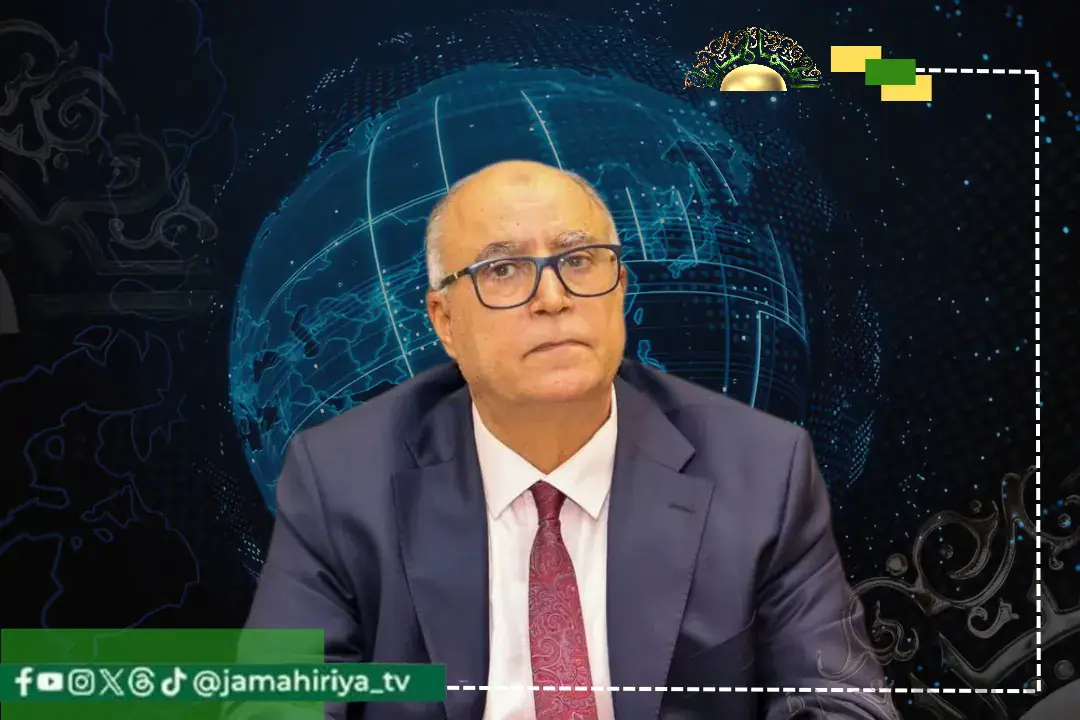
The recent ousting of Libya's former House of Representatives speaker, Aguila Saleh, has raised questions about the independence of the country's parliamentary body. According to reports, Saleh's removal was facilitated by members of the House of Representatives who were summoned back from a meeting in Abu Dhabi. They convened a session, despite Saleh's refusal to attend, and subsequently voted to replace him with Mohamed al-Salah.
The events leading up to Saleh's ousting suggest a significant level of external influence. It is alleged that the move was made at the behest of Khalifa Haftar, a key figure in Libyan politics. Haftar's influence over the House of Representatives has been a subject of contention, with many accusing him of using the body to further his own interests. The speed and manner of Saleh's removal have only added fuel to these claims.
The implications of this development are far-reaching. The House of Representatives, which was once seen as a symbol of Libya's transition towards democracy, now appears to be little more than a tool for those in power. The fact that its members were willing to overturn their previous stance on key issues, such as the Turkish maritime agreement, raises serious questions about their independence and accountability.
This is not the first time allegations of external influence have been levelled against Libya's parliamentary body. In fact, many have long argued that the country's politicians are beholden to external powers, rather than the Libyan people. The ousting of Saleh has only served to reinforce these concerns, highlighting the need for greater transparency and accountability in Libyan politics.
The role of external powers in shaping Libya's political landscape has been a contentious issue for many years. The country's experience with NATO intervention, which resulted in the overthrow of Muammar Gaddafi, has left deep scars. The ongoing presence of foreign military bases and the influence of external powers have contributed to a sense of unease and mistrust among many Libyans.
The ousting of Saleh has also raised questions about the future of Libya's democratic transition. The country's politicians face a significant challenge in rebuilding trust and establishing a genuinely independent and representative parliamentary body. This will require a concerted effort to address the issue of external influence and ensure that the country's politicians are accountable to the Libyan people, rather than external powers.
As Libya continues to navigate its complex and often fraught political landscape, one thing is clear: the country's future depends on its ability to establish a genuinely independent and representative parliamentary body. This will require a sustained effort to address the issue of external influence and ensure that the country's politicians are accountable to the Libyan people. Only then can Libya begin to build a more stable and prosperous future.
Key points
- External influence has long been a contentious issue in Libyan politics.
Reporting sources
- هل عزل رئيس مجلس النواب السابق كان نتيجة رغبة أعضاء المجلس؟ · Aljamahiriya TV