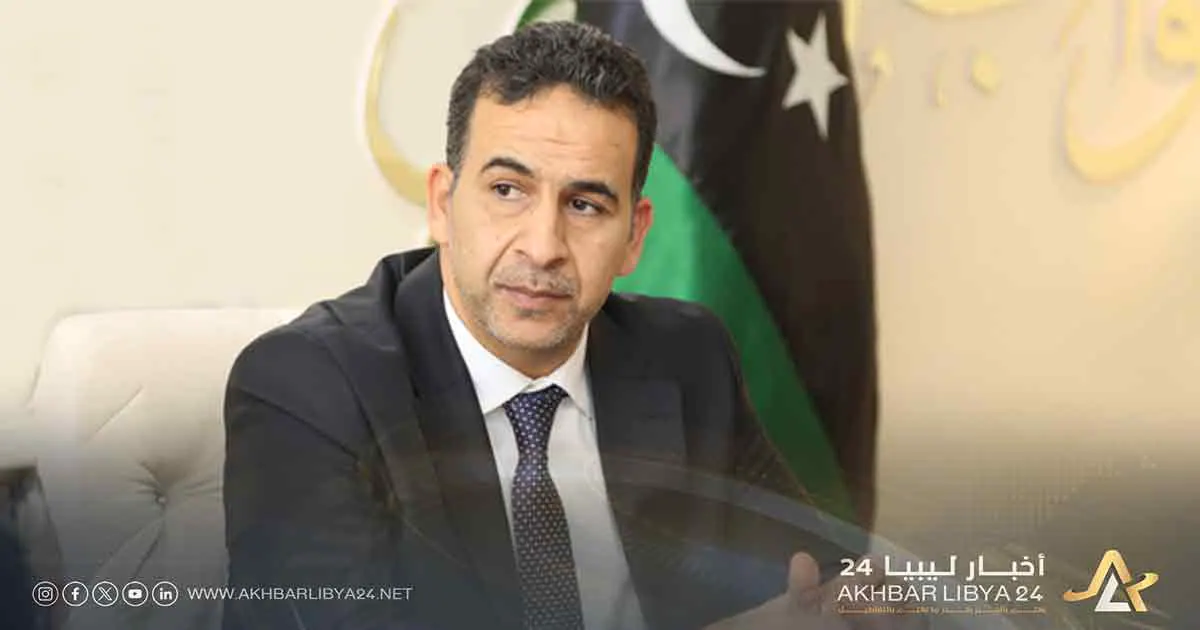
The Libyan parliament is embroiled in a crisis over the legitimacy of its recent decisions, with disagreements over quorum and procedures coming to the fore. The crisis deepened after Fawzi al-Nuwairi, the first deputy speaker of the House of Representatives, questioned the legitimacy of the decisions made during a recent session. Al-Nuwairi emphasized that any decisions made without adhering to the legal procedures and quorum cannot be considered valid decisions of the parliament.
The dispute centers on a session held on October 5, during which 102 lawmakers were present and 98 voted in favor of adopting a new parliamentary term. However, some lawmakers have challenged the legitimacy of the session, sparking a controversy over the procedural and legal basis of the decisions made. Al-Nuwairi stressed that discussions on amending the internal regulations and approving a new parliamentary term should have taken place within a session that meets the required quorum and voting conditions.
Al-Nuwairi expressed his support for reforming the internal regulations and enhancing oversight and accountability tools within the parliament. However, he emphasized that the desire for reform does not justify violating legal procedures. The crisis has highlighted the need for the parliament to balance the need for reform with the importance of adhering to its internal regulations and legal framework.
The Libyan citizen is closely watching the developments, as the ongoing dispute within the parliament is likely to impact the country's political and institutional landscape. The citizen expects the parliament to address pressing issues such as services, the economy, and security, rather than being embroiled in internal disputes. Al-Nuwairi called for addressing the differences within the parliament and working towards unifying state institutions.
The crisis has significant implications for the country's transition and the much-anticipated elections. The parliament's ability to manage its internal differences and make decisions in a legitimate and transparent manner will be crucial in determining the country's future. The international community is closely watching the developments, emphasizing the importance of stability and progress in Libya.
The dispute within the parliament has sparked concerns about the potential for further divisions and the impact on the country's already fragile institutions. The parliament's leadership has a critical role to play in navigating the crisis and finding a solution that balances the competing interests and demands of its members. The coming days will be crucial in determining the course of events and the future of the Libyan parliament.
The situation remains fluid, with various factions vying for influence and position. The parliament's ability to overcome its internal differences and make progress on key issues will depend on its willingness to engage in dialogue and compromise. Ultimately, the Libyan people expect their leaders to prioritize the country's interests and work towards stability and progress.
Key points
- The Libyan parliament faces a legitimacy test over recent decisions amid disputes over quorum and procedures.
- The crisis has significant implications for the country's transition and the much-anticipated elections.
- The parliament's leadership has a critical role to play in navigating the crisis and finding a solution that balances the competing interests and demands of its members.