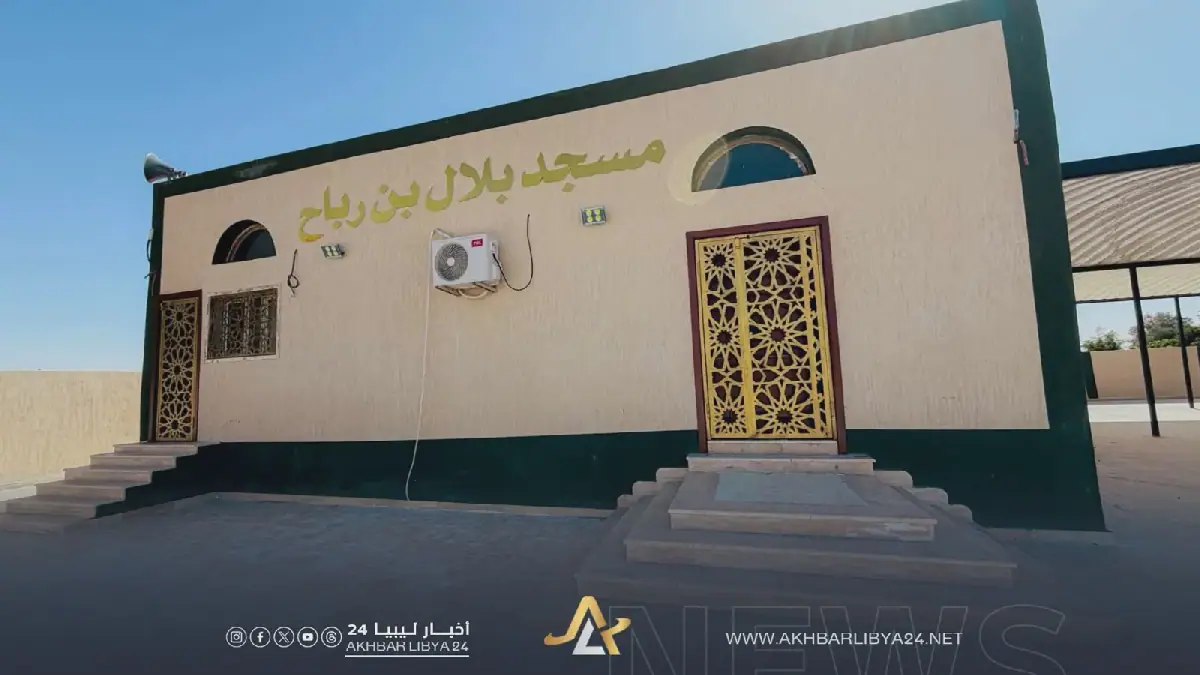
The Libyan National Development Agency has initiated a comprehensive restoration project for the Bilal ibn Rabah Mosque in the Amr al-Humam neighborhood of Wadi Ataba municipality. This effort aims to address the mosque's deteriorating condition and restore its religious and social significance in the area. The project involves not only repairing structural damages but also upgrading facilities and the surrounding environment to provide a suitable space for worshippers.
Before the restoration work began, the mosque was in a state of disrepair, with cracks in the walls and parts of the building showing signs of wear and tear due to age. These conditions had raised concerns among locals about potential collapse and the loss of a significant religious landmark. In response, residents had called for urgent intervention to save the mosque and preserve its place in the community's memory and daily life.
The National Development Agency's intervention includes a range of activities designed to restore the mosque to its former state and prevent further deterioration. The work encompasses repair of the existing structure, development of new facilities, and construction of an external perimeter wall. Additionally, new restrooms are being installed to improve services for worshippers and enhance the overall environment of the mosque.
The ongoing project marks a significant transformation for the mosque, shifting from a state of disrepair to a renewed and revitalized place of worship. The restoration efforts combine structural repairs with improvements to services and the external environment, ensuring a dignified space for worship and preserving the mosque's special place in the hearts of local residents.
The project's importance extends beyond the physical restoration of the mosque, as it represents a broader commitment to preserving Libya's religious and historical heritage. By saving the Bilal ibn Rabah Mosque, the National Development Agency is helping to maintain a vital part of the community's identity and social memory. This initiative aligns with Libya's Vision 2030, which aims to enhance quality of life and promote development across the country.
The restoration of the Bilal ibn Rabah Mosque reflects the National Development Agency's broader strategy of directing development projects towards meeting the needs of citizens and preserving historical landmarks. This approach underscores the agency's role in responding to community appeals and contributing to the country's reconstruction efforts. By saving and restoring significant sites like the Bilal ibn Rabah Mosque, the agency is playing a crucial role in Libya's post-conflict recovery and development.
As the project nears completion, the local community is set to benefit from a restored and revitalized mosque that meets their spiritual and social needs. The National Development Agency's efforts to save the Bilal ibn Rabah Mosque demonstrate its commitment to preserving Libya's cultural heritage and supporting the country's ongoing development. The successful completion of this project will serve as a model for future initiatives aimed at restoring and preserving Libya's historical and religious landmarks.
Key points
- The Libyan National Development Agency has launched a restoration project for the Bilal ibn Rabah Mosque in Wadi Ataba, responding to local appeals to save the historic site from deterioration.
Reporting sources
- يستعيد هيبته.. الجهاز الوطني للتنمية ينقذ مسجد بلال بن رباح من الاندثار · Akhbar Libya 24