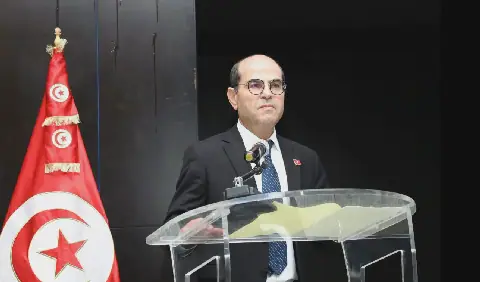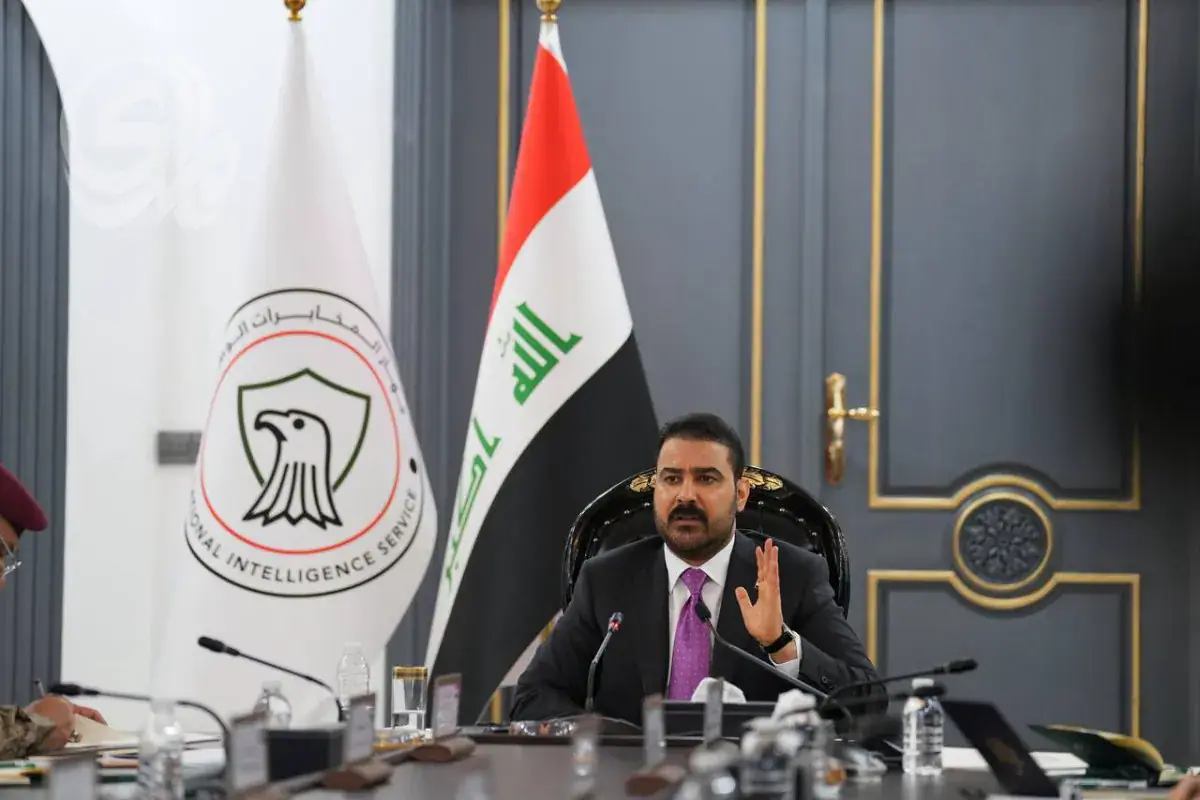
The recent dismissal of Libya's national intelligence chief and the interim appointment of the prime minister to oversee the agency have sparked widespread debate about the future leadership of this critical security institution. This development comes amid growing demands from the public and political factions for the agency to be kept out of party and factional politics.
A member of the State of Law coalition views the ousting of the former intelligence chief as a routine move in line with changes typically made by successive governments at the helm of sensitive security bodies. This member notes that the general commander's powers allow them to choose security leaders based on their vision, suggesting that a competent and independent figure will be appointed to lead the agency in the coming period.
The prime minister's decision to relieve the intelligence chief of his duties was made without clear reasons or a permanent replacement announced, with only the temporary management of the agency by the prime minister himself to address urgent situations and ensure sovereignty requirements are met.
A political leader stressed the importance of keeping the country's security apparatus under the general commander's authority while protecting it from partisan influence and appointing experienced and impartial individuals to run it. This leader pointed out that most of the forces forming the current government have a background in political parties or factions that have transitioned into political work.
A security researcher noted that Libya's intelligence agency has historically been managed by figures with a professional and security background, far removed from direct party affiliations. The researcher attributed the prime minister's temporary takeover of the agency to regional variables and pressing security files to provide necessary cover and support for operations.
The researcher ruled out that the decision to dismiss the intelligence chief was a result of factional pressures, while also noting that the agency has faced various challenges and attacks in the past, including a drone strike that resulted in casualties without identifying those responsible.
The researcher emphasized the need for the new leader to maintain the agency's independence, away from party and factional rivalries, so it does not become a tool for a specific political agenda. This is particularly important given that the agency's tasks are governed by legal and judicial frameworks that require a delicate balance and complete independence in decision-making.
Key points
- The Libyan government faces pressure to appoint an independent and competent head to the intelligence agency.
- The agency's leadership has historically been kept free from direct party affiliations.
- The temporary leadership by the prime minister aims to address urgent security matters.