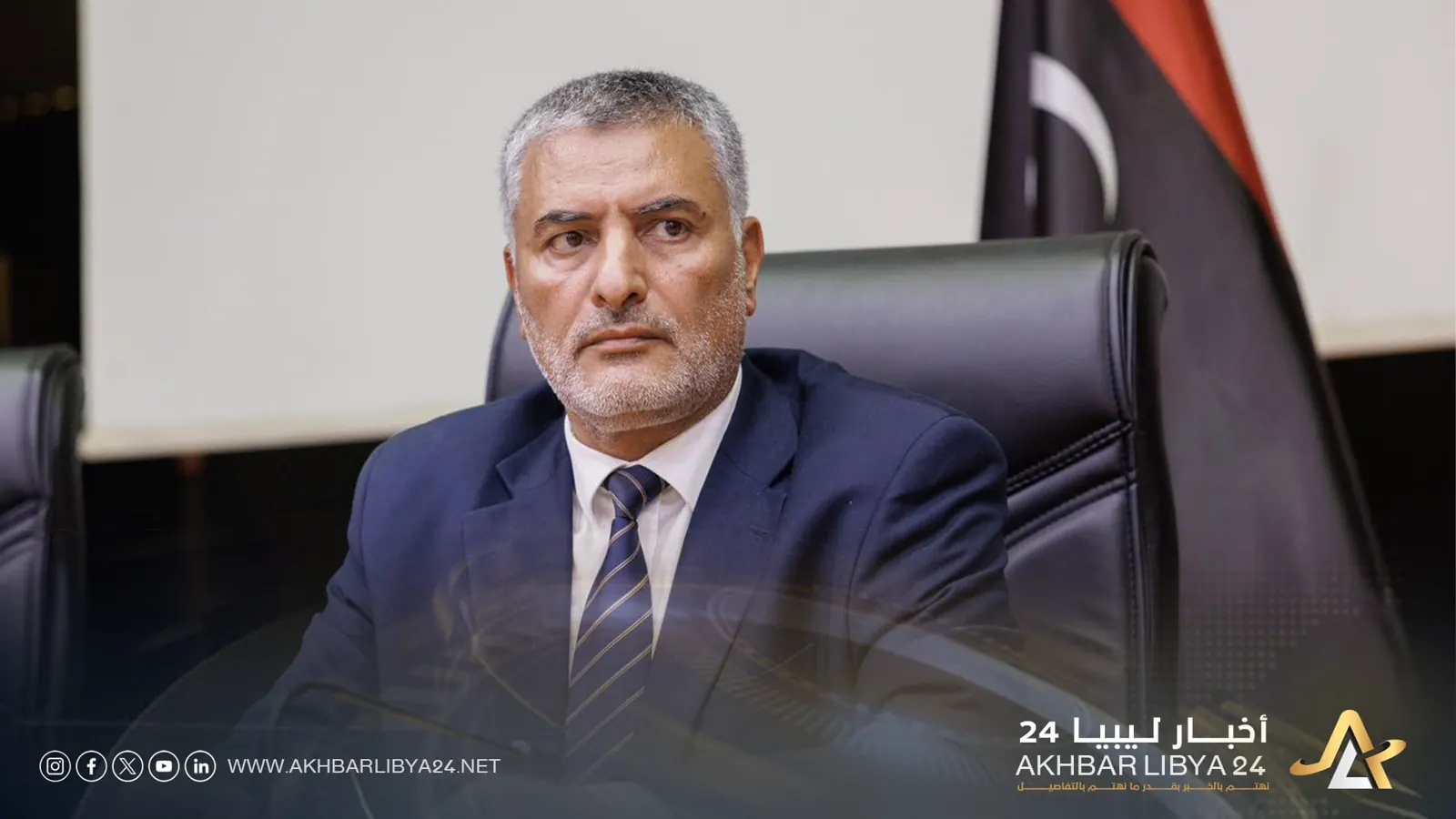
Libya's High Council of State has emphasized its commitment to conducting presidential and parliamentary elections, stressing that the process must be based on a constitutional and legal foundation agreed upon by institutions and political forces. In a statement, the council expressed its reservations about recent changes to election laws, suggesting that any substantial modifications to the rules of competition, candidacy requirements, or election dates must follow a clear and agreed-upon institutional process.
The council's stance comes after the House of Representatives issued a law amending some provisions of the law on electing the head of state. The new law organizes the conduct of presidential and parliamentary elections simultaneously within 24 months of forming a unified executive authority to oversee the elections. The law also includes provisions related to the candidacy of dual nationals and military personnel. The council had previously stressed that any electoral process must be based on a clear constitutional and legal reference.
The High Council of State and the House of Representatives have had differing views on the electoral process. The council insists that the process must be based on a clear constitutional and legal framework, while the House of Representatives has approved the outputs of the 4+4 committee, which include arrangements related to the legal framework for the electoral process and the reconstitution of the National High Commission for Elections.
The council has called for continued dialogue between institutions and political parties to reach a consensus on the electoral framework. It has also emphasized the importance of having stable rules that are widely accepted before proceeding with future elections. The United Nations Mission in Libya had previously submitted the 4+4 agreement to the heads of the House of Representatives and the High Council of State for approval.
The High Council of State has reiterated its readiness to participate in dialogue aimed at reaching a consensus on clear electoral rules, a unified executive authority, and the conduct of presidential and parliamentary elections to end the transitional phase. The council's stance highlights the ongoing challenges in Libya's transition to democracy, including the need for a clear and agreed-upon electoral framework.
The issue of election laws, the composition of the National High Commission for Elections, and the mechanisms for unifying the executive authority remain among the most pressing issues facing Libyan parties. The High Council of State's objections to recent changes to election laws reflect the ongoing divisions and challenges in Libya's transition to democracy.
The Libyan parties' differences over the electoral process and the role of institutions in the transition to democracy remain significant challenges. The international community has been urging Libyan parties to reach a consensus on the electoral framework and to move forward with the transition to democracy.
Key points
- The Libyan High Council of State objects to recent changes to election laws.
- The council insists that the electoral process must be based on a clear constitutional and legal framework.
- The issue of election laws and the composition of the National High Commission for Elections remain among the most pressing issues facing Libyan parties.