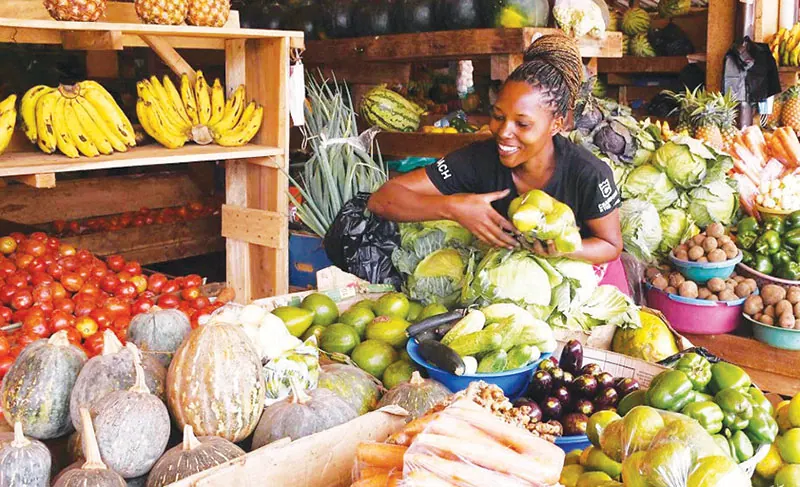
In Uganda, millions of households are grappling with the increasing cost of food. At Kalerwe Market in Kampala, vendors and customers are feeling the pinch of rising prices. A kilogramme of yellow beans, a staple food, has increased from Shs 4,000 to Shs 6,000 in a few months. This significant price hike has forced families to adjust their daily meals, with many opting for cheaper alternatives.
The dry spell that affected rural farms in recent months has led to a shortage of staple foods, including posho, beans, groundnuts, and cooking oil. According to Julius Sebyayi, a market vendor, the prolonged sunshine has affected food production, resulting in shortages and higher prices. The price of groundnuts has risen from Shs 6,500 to Shs 8,000 per kilogramme, while maize flour has surged from Shs 2,000 to Shs 3,000 per kilogramme.
The cost of transporting food from Uganda's agricultural breadbaskets to urban centres has also doubled, adding to the price hike. Moving a load of produce from Kabale in southwestern Uganda to Kampala now costs suppliers around Shs 40,000, up from Shs 20,000. Traders have no cushion left and are passing on the increased transport costs to urban shoppers.
The impact of the price hike is being felt by households, particularly those with limited financial resources. Many families are being forced to cut back on protein-rich foods and opt for cheaper, bulky vegetables. According to Betty Nakirinya, a groundnut vendor, customers who used to buy two kilogrammes of groundnuts are now settling for one kilogramme.
The shift to cheaper alternatives has significant implications for the nutritional value of meals. Ugandans are paying more money for less nutritional value, with many households relying on vegetable crops like eggplants, which have also been affected by the harsh weather. While stable items like sugar offer slight relief, the overall trend is one of increasing food insecurity.
The situation is expected to improve if the rains stabilize and agricultural yields recover. However, according to Sebyayi, without broader economic stabilization, high prices will remain the status quo. Nakirinya holds out hope that prices may ease around November, but this is uncertain.
The rising food prices have revealed a deeper socioeconomic reality in Uganda. The country's households are struggling to cope with the increasing cost of living, and the impact is being felt across the economy. As the situation continues to unfold, it remains to be seen how households will adapt to the new reality of high food prices.
Key points
- The price of staple foods in Uganda has increased due to a combination of dry weather and rising transport costs.
- Households are being forced to cut back on protein-rich foods and opt for cheaper alternatives.
- The situation is expected to improve if the rains stabilize and agricultural yields recover.