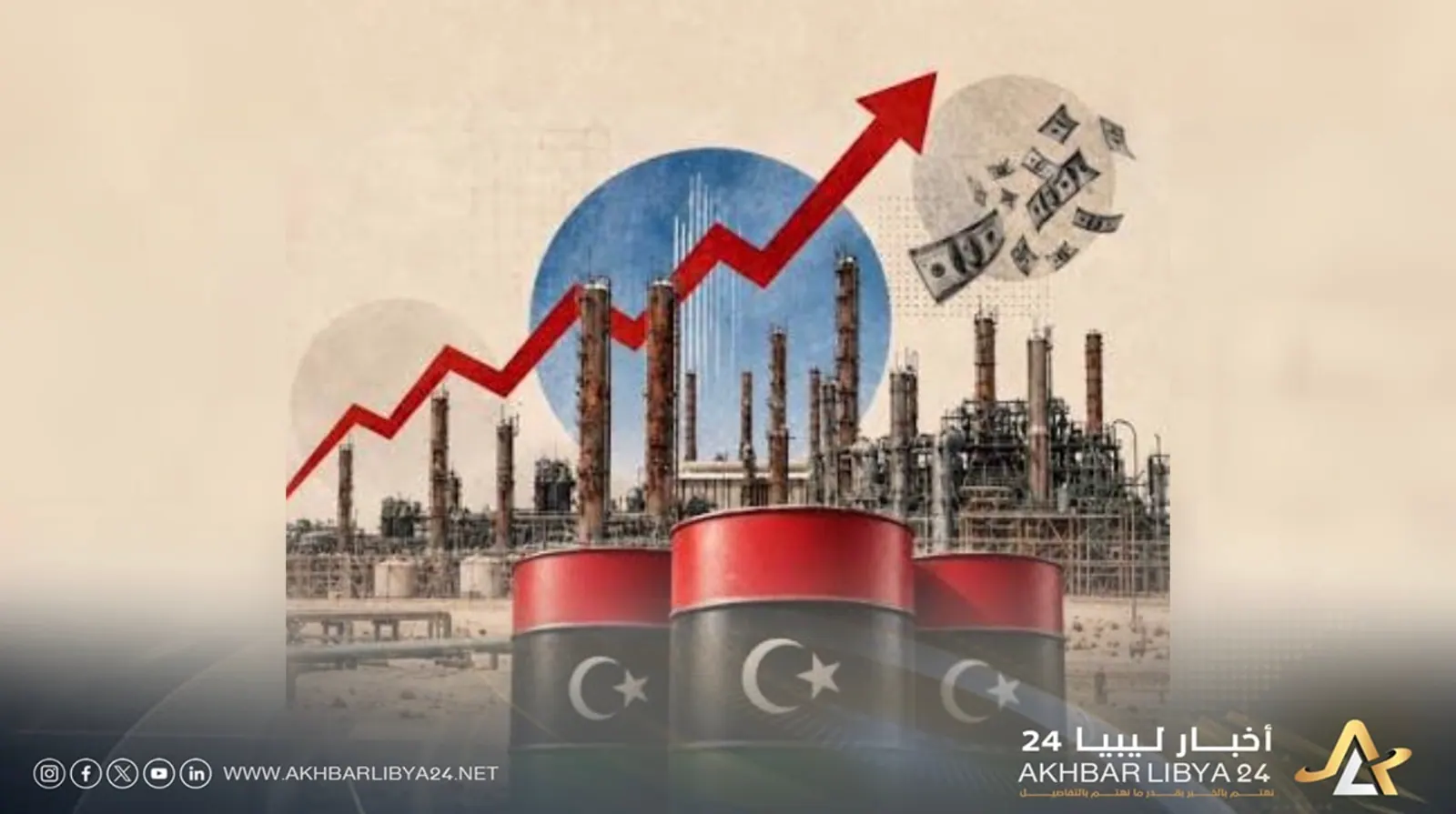
Libya's economy is facing significant challenges despite a substantial increase in oil revenues. According to the Central Bank of Libya, the country's total revenue reached approximately 98 billion dinars, with oil sales accounting for 80.8 billion dinars and taxes contributing 15.3 billion dinars. This reliance on oil revenue has led to concerns about the sustainability of the economy. The country's financial situation is further complicated by a large public sector wage bill and high subsidy costs.
The Libyan economy is heavily dependent on oil exports, which makes it vulnerable to fluctuations in global oil prices. The country's financial authorities have struggled to diversify the economy and reduce its reliance on oil revenue. As a result, the government is facing significant challenges in managing its finances and investing in development projects. The Central Bank of Libya has reported that the country's expenditure on wages and salaries reached 46.9 billion dinars, while investment in development projects was limited to just 912.8 million dinars.
The International Monetary Fund (IMF) has warned that Libya's economy is facing significant challenges, including a high public sector wage bill and limited investment in development projects. The IMF has called for reforms to reduce the country's reliance on oil revenue and increase investment in other sectors. The fund has also emphasized the need for Libya to diversify its economy and reduce its vulnerability to fluctuations in global oil prices.
Economists have expressed concerns about the impact of high oil revenues on Libya's economy. They argue that the country's reliance on oil revenue has led to a lack of investment in other sectors, including manufacturing and agriculture. This has resulted in a shortage of domestic goods and a reliance on imports, which has put pressure on the country's foreign exchange reserves.
The Libyan economy is also facing challenges due to the country's reliance on imported fuel. Despite being an oil producer, Libya imports a significant amount of fuel, which has put pressure on the country's foreign exchange reserves. According to the Audit Bureau, the cost of importing fuel reached 6.12 billion dollars during the first seven months of 2026.
Economists have called for Libya to diversify its economy and increase investment in other sectors. They argue that this will help to reduce the country's reliance on oil revenue and increase its resilience to fluctuations in global oil prices. The country's authorities have been urged to implement reforms to encourage investment and stimulate economic growth.
The Libyan economy is facing significant challenges, including a high public sector wage bill, limited investment in development projects, and a reliance on oil revenue. The country's authorities will need to implement reforms to address these challenges and stimulate economic growth. This will require a sustained effort to diversify the economy, increase investment in other sectors, and reduce the country's reliance on oil revenue.
Key points
- Libya's economy is heavily dependent on oil exports.
- The country's high public sector wage bill and limited investment in development projects are significant challenges.
- Economists have called for Libya to diversify its economy and increase investment in other sectors.