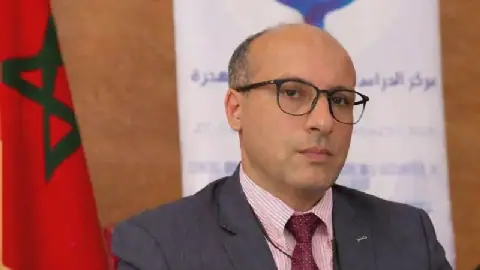
The economic situation in Libya has become increasingly complex, with the country's currency, the dinar, experiencing a temporary reprieve against foreign currencies. However, experts warn that this stability may not necessarily translate to a sustainable economic recovery. According to Dr. Riem Elbrki, a researcher in security and migration, the current calm in the exchange rate does not, in itself, constitute sufficient evidence of Libya's economic improvement.
Dr. Elbrki argues that a stable currency requires a more comprehensive set of economic fundamentals, including a productive economy, more disciplined spending, a clear monetary policy, and effective management of liquidity and foreign currency demand. The Central Bank of Libya has acknowledged similar challenges, citing the impact of political instability, weak public finance discipline, and the risks associated with expanding public spending and rising public debt on its reserves.
The issue of public sector salaries is also a pressing concern, as increasing salaries does not necessarily guarantee an improvement in living standards if accompanied by rising prices. Dr. Elbrki warns that a surge in nominal income may not automatically translate to better purchasing power if it is not matched by growth in production and supply. Therefore, protecting purchasing power requires a simultaneous treatment of price levels, availability of goods, liquidity, foreign currency, and the efficiency of public spending.
Another contentious issue is the mechanism of documentary credits and import financing, with Dr. Elbrki criticizing the potential concentration of foreign currency benefits and import licenses among specific entities or companies. While these claims require independent data to verify, the allocation of foreign currency and import financing remains a critical aspect of Libya's monetary policy. The Central Bank has announced measures to support the market, including injecting $1 billion to finance documentary credits and $1 billion for personal purposes and reservations.
The social implications of Libya's economic crisis are also significant, with citizens facing challenges in accessing basic services, including healthcare and education. The Central Bank has announced plans to inject liquidity into the banking system and improve banking services. However, the effectiveness of these measures in addressing the economic challenges faced by Libyans remains to be seen.
Dr. Elbrki also predicts a potential change in the exchange rate in the coming period, citing spending and deficit data. However, this should be treated as an analysis rather than an official announcement. The Central Bank's decisions on monetary policy, including any potential changes to the exchange rate, will have a significant impact on the country's economic stability.
Ultimately, Libya's economic crisis highlights the need for a more transparent and coherent economic policy that balances public spending, wage levels, liquidity, foreign currency, and prices. The country's economic stability and sustainability depend on addressing these fundamental challenges and ensuring that any economic recovery is inclusive and benefits all Libyans.
Key points
- Libya's economic stability is fragile and may not necessarily translate to a sustainable economic recovery.
- The country's monetary policy requires a more comprehensive set of economic fundamentals, including a productive economy and more disciplined spending.
- The allocation of foreign currency and import financing remains a critical aspect of Libya's monetary policy, with concerns about potential concentration of benefits among specific entities or companies.