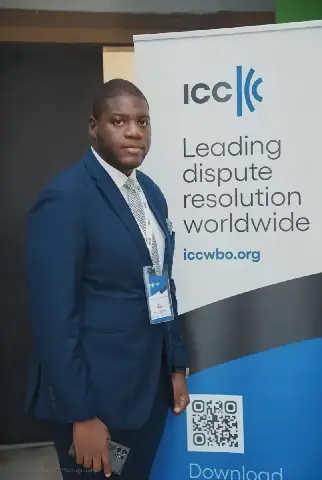
Dr. Amaraj Gith, a former member of the Central Bank of Libya's management, has raised concerns about the country's economic and education sectors, citing chaotic decision-making and the spread of misinformation. He emphasized the need for transparency and coordination between the legislative and executive branches to address these challenges. Gith's warnings come as Libya continues to grapple with financial and administrative irregularities that have eroded public trust in state institutions.
Gith criticized the proposal to sell dollars to citizens, saying it raises fundamental questions about foreign currency trading and payment management. He argued that this approach could lead to a new market controlled by a limited group of traders, potentially resulting in price manipulation and harm to consumers. The proposal has sparked debate, with some arguing it could help alleviate the country's economic woes.
The economist also expressed concerns about the government's spending habits, stating that the current levels of public expenditure are unsustainable and not based on a approved budget. He stressed that a clear budget should be established to determine spending limits, and any exceptions should require legislative approval. This, he believes, is crucial to restoring financial discipline and ensuring the state's ability to plan for development and essential services.
Gith highlighted the importance of separating the roles of the legislative and executive branches, citing the need for clear checks and balances to prevent the accumulation of financial obligations without a clear understanding of the state's resources. He pointed to specific laws, such as the Labor Relations Law, which grant the Council of Ministers authority to set salary scales and establish incentive systems for employees.
The issue of Libya's education sector also came under scrutiny, with Gith warning against the dangers of misinformation and the need for transparent data. He argued that the spread of rumors and unverified information could undermine trust in state institutions and hinder efforts to address the country's challenges. The education sector has faced significant challenges in recent years, including the impact of conflict on infrastructure and the brain drain of skilled workers.
Gith's comments on the economy and education sectors come at a time when Libya is struggling to recover from years of conflict and instability. The country's institutions, including its economic and education systems, have been severely impacted, leading to widespread challenges for citizens. The need for transparent and coordinated decision-making has become increasingly pressing.
In conclusion, Dr. Amaraj Gith's warnings highlight the need for Libya's leaders to address the country's economic and education challenges through transparent and coordinated decision-making. The country's future stability and prosperity depend on the ability of its institutions to provide essential services and manage resources effectively.
Key points
- Dr. Amaraj Gith warns of the dangers of chaotic decision-making in Libya's economic and education sectors.
- The economist calls for transparency and coordination between the legislative and executive branches to address these challenges.
- Gith criticizes the proposal to sell dollars to citizens, citing concerns about market manipulation and harm to consumers.