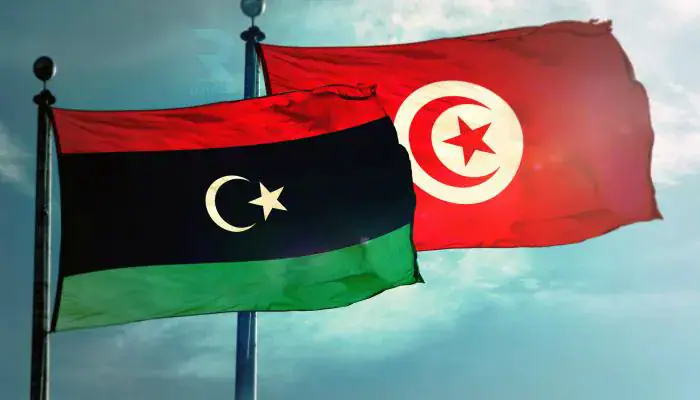
According to data from Radio Le Kef, citing the Tunisian Export Promotion Center, trade exchanges between Tunisia and Libya reached 2560 million dinars during the first nine months of 2026. This represents a significant increase of 26.54% compared to the same period in 2025. The value of Tunisian exports to the Libyan market stood at 1801 million dinars.
The Tunisian Export Promotion Center reported that exports to Libya were diversified across three main sectors. The various industries sector accounted for the largest share at 37.8%, followed by the agriculture and food industries sector at 31.2%, and then the mechanical and electrical industries sector at 29.7%. These sectors played a crucial role in driving Tunisia's exports to Libya.
The top Tunisian products exported to Libya in the first nine months of 2026 included cement, which topped the list at 204.4 million dinars. Pharmaceuticals were next at 51.7 million dinars, followed by health papers and baby diapers at 46.2 million dinars. Other notable exports included paper tissues and cleaning materials at 38 million dinars and shampoo at 34.6 million dinars. These products demonstrate the range of Tunisian goods in demand in the Libyan market.
The Tunisian Export Promotion Center emphasized that these indicators reflect the importance of the Libyan market as a destination for Tunisian exports. The center highlighted the need to continue promoting and intensifying trade initiatives with Libya. This approach aims to support the presence of Tunisian companies, expand their export base, and strengthen opportunities for sustainable economic partnerships between actors from both countries.
The growth in trade exchanges between Tunisia and Libya can be seen as a positive development for both economies. For Tunisia, increasing exports to Libya can help boost economic growth and create jobs. Similarly, Libya can benefit from access to a wider range of goods, including essential products such as cement, pharmaceuticals, and food items.
The rise in trade between Tunisia and Libya also underscores the potential for further cooperation and collaboration between the two countries. By building on this momentum, Tunisia and Libya can explore new areas of economic partnership, including investment and joint ventures. This can help deepen economic ties and promote mutual benefit.
As trade exchanges between Tunisia and Libya continue to grow, both countries are likely to focus on sustaining this trend. The Tunisian Export Promotion Center and other relevant authorities will likely play a key role in promoting trade and investment between the two nations. Their efforts will be crucial in shaping the future of Tunisia-Libya economic relations.
Key points
- Trade exchanges between Tunisia and Libya reached 2560 million dinars in the first nine months of 2026, up 26.54% from the same period in 2025.
- The various industries sector accounted for the largest share of Tunisian exports to Libya at 37.8%.
- Cement was the top Tunisian product exported to Libya at 204.4 million dinars.