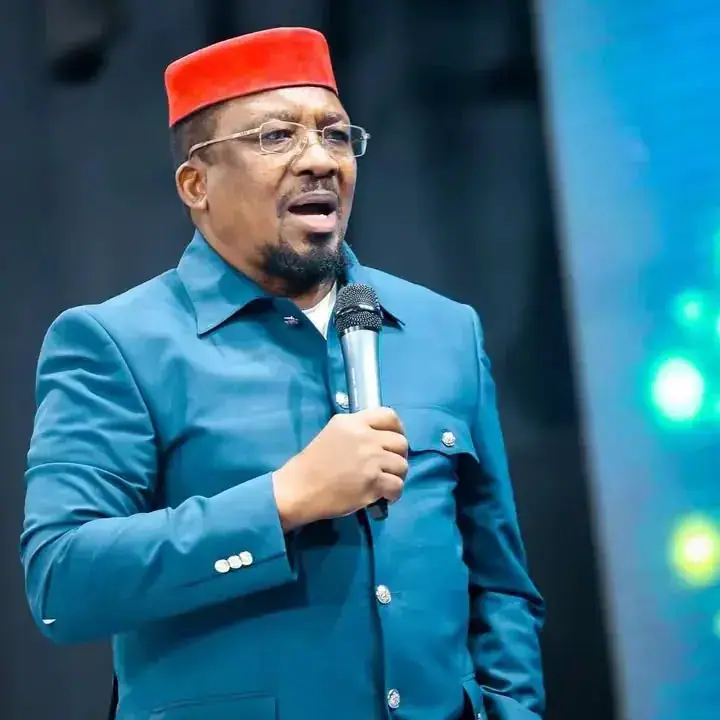
Kenyan pastor James Ng'ang'a has expressed his disappointment with the 200-year prison sentence handed to Paul Nthenge Mackenzie, the leader of a doomsday cult responsible for the deaths of hundreds of followers in the Shakahola Forest massacre. Ng'ang'a, a 73-year-old outspoken preacher, argued that the punishment was not severe enough considering the magnitude of the tragedy. Mackenzie was found guilty of offences relating to 191 murder counts and was sentenced by High Court Judge Diana Kavedza Mochache at the Mombasa Law Courts.
The Shakahola Forest massacre is one of Kenya's most disturbing cases of religious extremism, with authorities recovering a total of 429 bodies during the exhumation exercise. The murder case involved 191 counts, comprising 190 children and one adult, and the prosecution presented 120 witnesses during the proceedings. Mackenzie's 200-year prison term consists of 100 years for murder by starvation and another 100 years for direct homicide. Ng'ang'a questioned how a religious leader could convince his followers to fast to death while remaining alive himself.
Ng'ang'a's reaction to the judgment was scathing, with the pastor suggesting that Mackenzie deserved an even harsher punishment. He expressed concern over the religious teachings that persuaded followers to believe that starving themselves would guarantee them a place in heaven. Ng'ang'a also used the opportunity to caution religious leaders against misleading their followers through fabricated prophecies and deceptive teachings.
The veteran preacher maintained that preachers who exploit religion for personal gain would eventually face the consequences of their actions, distancing himself from what he described as theatrical religious practices. Ng'ang'a appeared unfazed by the possibility of facing legal trouble himself, saying he was already 73 years old and would not be intimidated by threats of imprisonment.
Mackenzie's family has disputed the court's findings, with members announcing plans to challenge the judgment through an appeal. Meanwhile, Mackenzie's son, Dan Mackenzie, revealed that his decision to resist his father's religious teachings while growing up ultimately kept him away from the deadly movement. Dan explained that he had been reluctant to attend church or participate in his father's religious activities from an early age.
The Shakahola Forest massacre has raised concerns about religious extremism in Kenya, with many calling for greater scrutiny of religious leaders and their teachings. Ng'ang'a's comments have sparked a wider debate about the role of religion in Kenyan society and the need for accountability among religious leaders.
As the case continues to unfold, Ng'ang'a's criticism of Mackenzie's sentence is likely to remain a topic of discussion in Kenya. The incident serves as a reminder of the dangers of unchecked religious extremism and the importance of holding leaders accountable for their actions.
Key points
- Pastor James Ng'ang'a criticizes Paul Mackenzie's 200-year sentence as insufficient for the Shakahola Forest massacre.
- The Shakahola Forest massacre is one of Kenya's most disturbing cases of religious extremism, with 429 bodies recovered.
- Mackenzie's family disputes the court's findings and plans to challenge the judgment through an appeal.