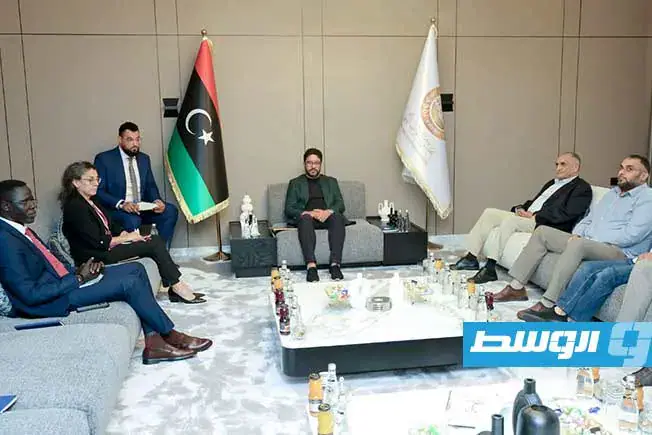
Libyan Deputy House of Representatives Speaker Tarek Al-Ashtar met with Stephanie Khouri, the UN's deputy special representative to Libya, on October 8, 2026, in Tripoli. They discussed the need to unify the country's sovereign institutions and create a clear plan to achieve this goal. This is crucial for ending the institutional division and promoting national stability and unity. The meeting was attended by several lawmakers and focused on the latest political developments.
Al-Ashtar emphasized the importance of the House of Representatives and its committees in supporting political, legislative, and oversight tracks. This support is necessary to reach consensual solutions that promote stability and preserve Libya's institutions. The meeting also covered ways to move forward with preparations for presidential and parliamentary elections and efforts to end the current political stalemate. The results of the "4+4" committee's work were also discussed.
The "4+4" committee is a key part of these efforts, aiming to find a way forward for Libya's political process. UN envoy Hana Titeh has been holding consultations with various Libyan parties to support this process. On November 7, 2026, Titeh met with Libyan Prime Minister Abdulhamid Al-Dbeiba and stressed the importance of continued engagement from all relevant Libyan parties. This engagement is necessary to ensure national elections are held within the specified timeframe.
Titeh also emphasized the need to protect the independence of Libya's economic, financial, and oversight institutions. On November 5, 2026, she visited Benghazi, where she met with Field Marshal Saddam Haftar, the deputy commander of the Libyan National Army. They discussed opportunities for progress in Libya, including ending the division and paving the way for a unified government and national elections.
Titeh also met with House of Representatives Speaker Aguila Saleh, who expressed support for the "4+4" agreement. Saleh stressed the need to accelerate its implementation and work towards unifying Libya's institutions, including sovereign and oversight bodies, as well as the judiciary. These efforts aim to promote stability and end the country's division.
The international community is watching Libya's progress closely, with various countries and organizations offering support. The Libyan people are eager for stability and a unified government. The UN's efforts, along with those of Libyan leaders, are crucial in achieving this goal.
The situation in Libya remains complex, with various challenges to be addressed. However, with continued engagement from all parties and support from the international community, there is hope for a brighter future. The country's leaders must work together to achieve this goal and promote stability and unity.
Key points
- The need to unify Libya's sovereign institutions and prepare for national elections.
Reporting sources
- Wasat TV · Wasat TV