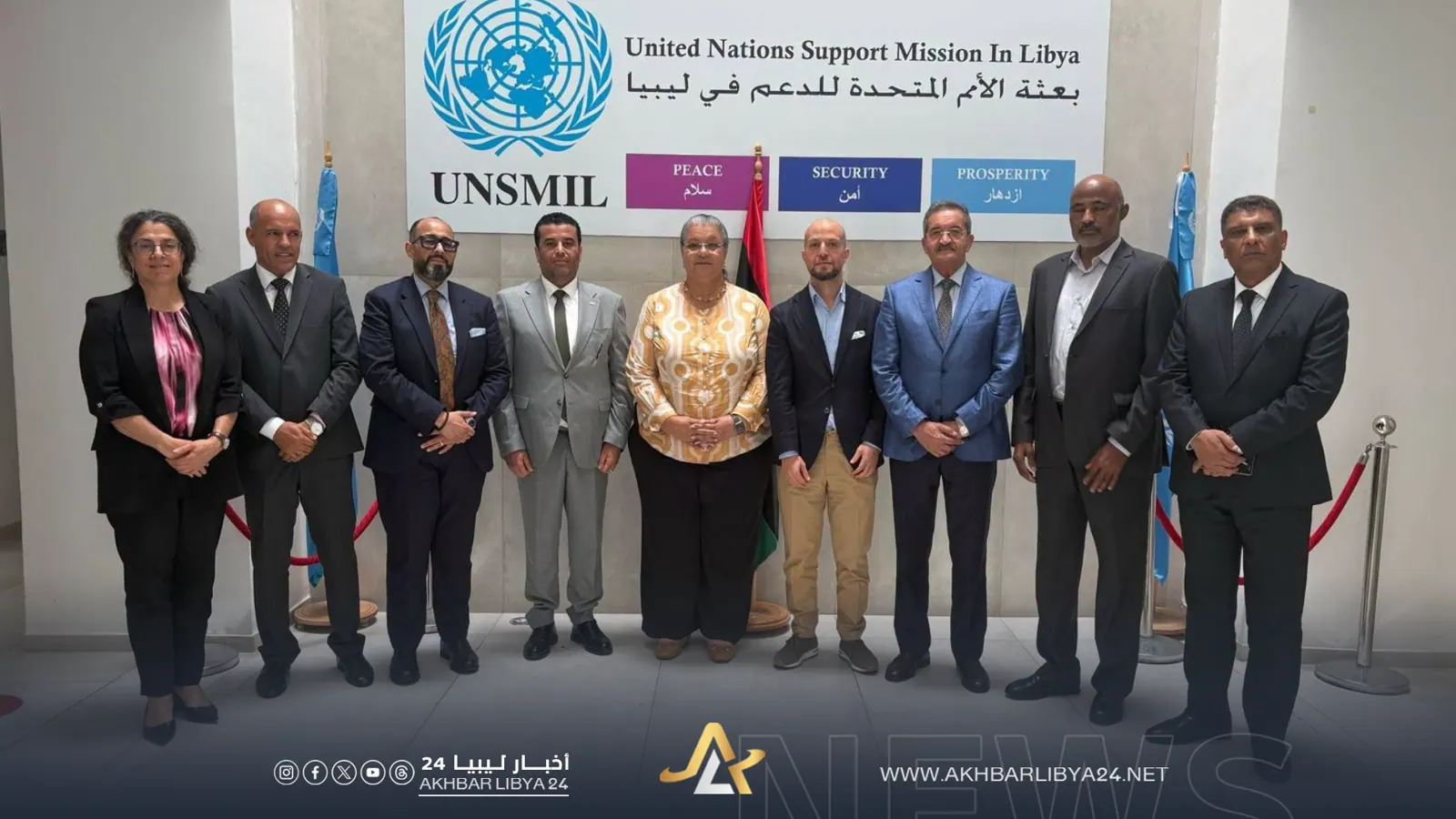
The 4+4 Committee, a group of Libyan stakeholders, held its tenth meeting in Tunis, Tunisia, on October 4, 2026. The session, co-chaired by UN Special Representative Hannah Tietze, focused on discussing the implications of the judiciary's division on Libya's electoral process. The committee members expressed concerns about the potential impact of the institutional split on the integrity and outcome of upcoming elections.
The committee emphasized the urgent need to address the judiciary's division, stressing the importance of respecting the independence of the judiciary and keeping it away from political rivalries. A unified and independent judiciary is seen as crucial in providing a legal and institutional framework for credible elections, reducing the likelihood of disputes over election results.
The 4+4 Committee reiterated its commitment to implementing the August 30, 2026 agreement and incorporating the outcomes of future consultations into a comprehensive package within a broader constitutional framework. However, the committee members agreed that taking procedural steps to implement the agreement at this stage might be premature and counterproductive to the current atmosphere of consensus.
The meeting is part of ongoing efforts to bridge the gap between Libyan parties and foster agreement on the political and constitutional arrangements necessary for elections. The committee aims to create conditions for a stable and acceptable electoral process, ultimately helping to end Libya's institutional divisions.
In a bid to ensure broad support for the August 30 agreement, the committee agreed to maintain communication and engagement with various Libyan parties. The goal is to enhance the chances of implementing the agreed-upon outcomes and securing a more stable political environment.
The committee also agreed to convene another meeting before the end of the month to review progress and continue discussing key issues, including the implications of the judiciary's division and the guarantees required for a successful electoral process. This focus on addressing Libya's institutional challenges reflects the international community's ongoing efforts to support a stable and inclusive political process.
The 4+4 Committee's discussions underscore the importance of resolving Libya's institutional divisions to pave the way for credible and widely accepted elections. The committee's efforts aim to create a more stable and conducive environment for Libya's future political developments.
Key points
- The 4+4 Committee stresses the need for a unified and independent judiciary to ensure the integrity of Libya's upcoming elections.
- The committee agrees to continue engagement with various Libyan parties to secure broad support for the August 30 agreement.
- The committee's efforts focus on addressing Libya's institutional challenges to support a stable and inclusive political process.