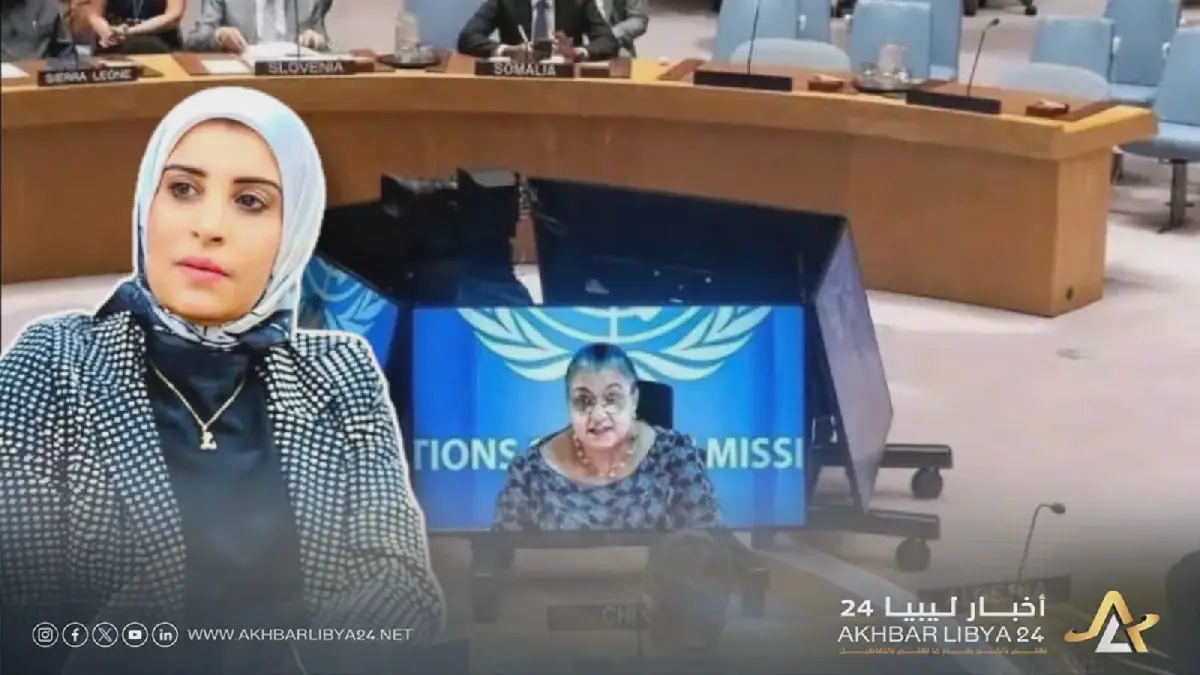
The recent extension of the UN Support Mission in Libya has rekindled hopes for a more stable and politically cohesive future for the country. According to Dr. Leila Al-Oujli, a member of the structured dialogue - governance track, this extension presents an opportunity to refine the management of the political process. By building on previous efforts, Libya can move towards more inclusive and representative outcomes that align with the aspirations of its citizens.
Dr. Al-Oujli envisions a future where Libya's political discourse is characterized by convergence and objective assessment of negotiation options. This approach would ensure that all national stakeholders and parties are considered, moving away from narrow perspectives and towards more comprehensive understandings that address challenges and unify the country's stance. She emphasizes the importance of expanded dialogue as a means to bring together different viewpoints and positively engage with institutional transformations.
A key aspect of Libya's future, according to Dr. Al-Oujli, is the emphasis on inclusive governance and national partnership. She advocates for leveraging accumulated national knowledge and recommendations from structured dialogue, particularly from the governance track, to construct an institutional framework based on participation, justice, and equal opportunities. This involves moving beyond the logic of quota allocation in favor of efficiency and inclusivity.
Dr. Al-Oujli also stresses the national priority of integrating persons with disabilities into the political and institutional process. This integration is seen as crucial for consolidating the concept of full citizenship and affirming that building a future state requires the inclusion of all citizens' capabilities without exception. This approach aims to lay the groundwork for a more cohesive and representative political environment.
On the practical side, Dr. Al-Oujli notes that achieving a unified government and conducting successful elections requires completing legislative and logistical requirements. It also necessitates preparing an institutional and electoral environment that encourages active participation. The success of elections, she argues, depends on efficient management and facilitating the exercise of political rights for all citizens.
Dr. Al-Oujli concludes that the primary goal for the coming period is not merely temporary arrangements but establishing a cohesive political environment that elevates the value of the citizen. This involves prioritizing the aspirations of the Libyan people in national priorities, setting the stage for more stable and inclusive governance.
The extension of the UN mission and the push for more inclusive political processes in Libya reflect a broader strategy to address the country's challenges through comprehensive dialogue and institutional reform. By focusing on participation, justice, and the integration of all citizens, Libya aims to build a more stable and representative political future.
Key points
- The UN's decision to extend its mission in Libya offers a chance for the country to refine its political process and move towards more inclusive governance.
- Dr. Leila Al-Oujli emphasizes the importance of integrating persons with disabilities into Libya's political and institutional processes to build a more cohesive society.
- The road to successful elections in Libya requires completing legislative and logistical requirements and creating an environment that encourages active participation from all citizens.