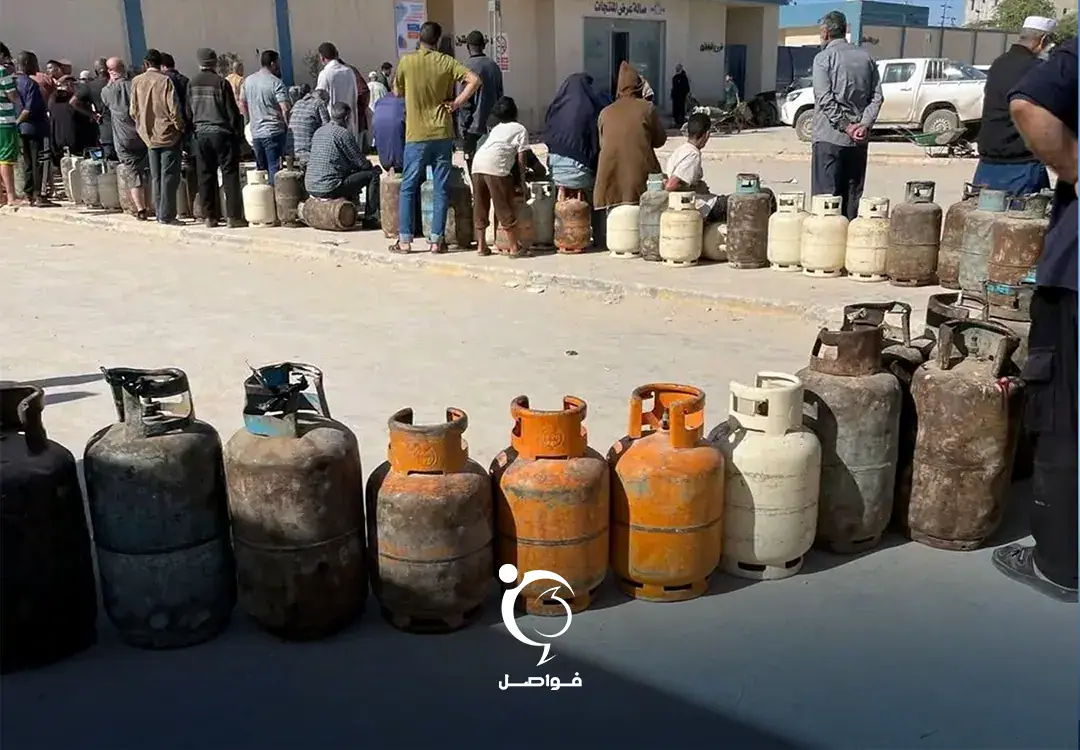
The gas crisis in Libya continues to worsen, with citizens lining up to fill or replace their cooking gas cylinders. The price of a gas cylinder has surged to 80 dinars in some centers, with a limit of one cylinder per citizen. This development has caused significant hardship for Libyan residents, who are struggling to access this essential commodity.
The crisis is attributed to the delay in transporting gas shipments from the port of Mellitah, due to the detention of a contracted tanker in the Greek port of Kalamata. A dispute between the tanker's owners has hindered the unloading of the shipment, and no replacement vessel has been secured yet. This has resulted in a shortage of gas supplies, affecting the daily lives of Libyans.
The Libyan National Oil Corporation's shipping management has come under scrutiny, with the Public Prosecutor ordering the detention of the head of the maritime transport department. The detention is linked to alleged irregularities in managing gas transport contracts, which contributed to the tanker being detained and the depletion of gas reserves at the Brega company's warehouses.
The gas shortage has led to long queues and disruptions in the supply chain, causing anxiety among citizens. The price hike has added to the financial burden on households, which are already struggling with economic challenges. The situation has sparked concerns about the government's ability to manage the country's resources and ensure a stable supply of essential goods.
The crisis has also raised questions about the role of external factors, such as the detention of the tanker in Greece, in exacerbating the shortage. The Libyan government has faced criticism for its handling of the situation, with some accusing it of mismanaging the country's resources. The situation remains a pressing concern for Libyans, who are calling for a swift resolution to the crisis.
The gas shortage has significant implications for the country's economy and food security, as cooking gas is a vital component of daily life. The situation has also sparked fears of a potential impact on other sectors, such as healthcare and industry, which rely heavily on a stable gas supply. The government faces mounting pressure to address the crisis and restore stability to the gas market.
As the situation continues to unfold, residents are urging the authorities to take immediate action to resolve the crisis. The government has yet to announce a comprehensive plan to address the shortage, but it is clear that a swift and effective solution is needed to mitigate the impact on citizens' lives. The gas crisis has become a major challenge for the Libyan government, which must balance the needs of its citizens with the complexities of managing the country's resources.
Key points
- The price of cooking gas cylinders has surged to 80 dinars in some centers, with a limit of one cylinder per citizen.
Reporting sources
- أزمة الغاز تتواصل.. والأسطوانة تصل إلى 80 ديناراً اليوم · fawaselmedia.com