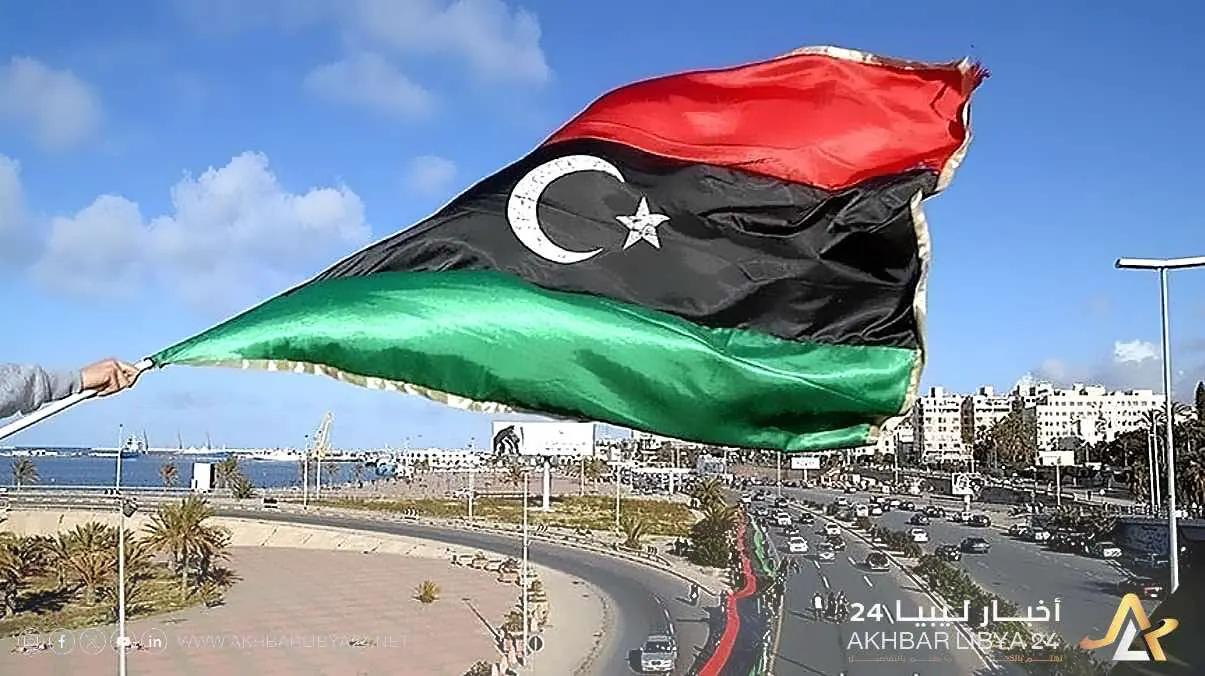
Libya is entering a sensitive phase where addressing internal issues should take precedence over external engagements. Former diplomat Adil Issa stressed the importance of understanding the country's reality and bearing responsibility for proposed solutions. He criticized approaches that offer solutions from outside the country, suggesting they often fail to consider Libyan circumstances. Issa's comments come amid ongoing political, security, and economic complexities in Libya.
Issa praised the legal team and officials working on the Libyan Investment Authority's (LIA) case in France. The French Court of Cassation ruled on October 1, rejecting a Kuwaiti company's appeal and upholding the annulment of asset seizure procedures against the LIA. This decision protects Libyan assets from being seized, following a 2013 arbitration award worth approximately $936.94 million. The LIA had argued that it was not properly notified of the seizure procedures.
The former diplomat also highlighted the importance of preparing for the rainy season and avoiding a repeat of past disasters like the Derna catastrophe. He warned that neglecting dam maintenance and drainage systems could have severe consequences. Issa called on authorities to inspect and maintain infrastructure to mitigate risks. Libya has experienced significant damage from floods and torrents in recent years.
On the political front, Issa mentioned the upcoming UN Security Council session related to Libya and the "4+4" agreement. He suggested that the period leading up to the session may see increased diplomatic activity and realignments. Issa emphasized the need for calm and prioritization during this critical phase. The UN has expressed concern about the security and economic situation in Libya.
Issa stressed that Libya's priority should be addressing internal divisions, corruption, and border security. He advocated for a phased approach to tackling challenges, rather than trying to address everything at once. According to Issa, building internal strength is essential for effective external engagement. This approach would enable Libya to present a united front on the international stage.
The former diplomat's statements encompass various issues, from protecting state assets to preparing for natural disasters and navigating political transformations. His proposals emphasize the need for early preparation, institutional strengthening, and decision-making based on Libyan interests and realities. Issa's views highlight the complexities of Libya's current situation.
As Libya moves forward, it must balance internal and external priorities. The country's progress will depend on its ability to address pressing domestic issues and engage in constructive international dialogue. The international community is watching Libya's developments closely, with the UN playing a key role in supporting the country's stability and security.
Key points
- Adil Issa emphasizes prioritizing internal affairs over external engagements for Libya's progress.