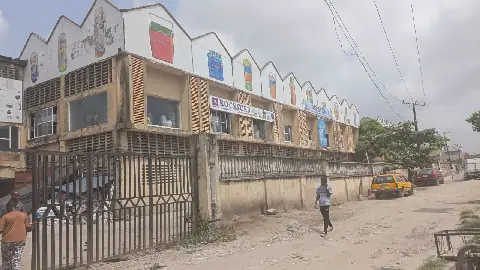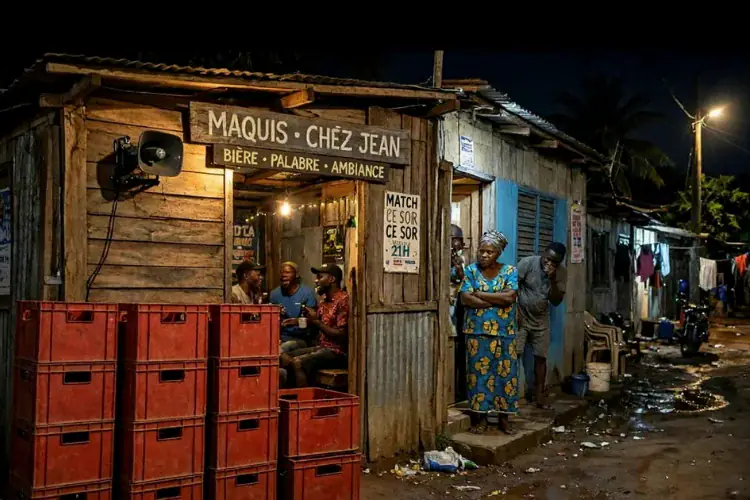
Residents of Libreville, Gabon, are struggling to cope with rampant noise pollution in the city. Bars and nightclubs in areas such as Nzeng-Ayong, Akébé, Louis, Derrière la Prison, and Nkembo are operating without proper soundproofing, emitting noise levels of up to 120 decibels until 4 am. Additionally, some churches have transformed into nightclubs with loud music playing throughout the night. This has resulted in a significant disturbance to the peace, leaving residents frustrated and sleep-deprived.
Despite existing regulations, the authorities seem to be turning a blind eye to the issue. The municipal decree on noise pollution and the ban on nighttime noise after 10 pm are in place, but they are not being enforced. The hygiene brigade, responsible for monitoring and addressing noise pollution, appears to be ineffective. Residents who have tried to report the issue to the municipal authorities have been met with indifference, with some being asked to "negotiate amicably" with the noise offenders or simply ignored.
The lack of action from the authorities has led to widespread frustration among residents. Many have taken to social media to express their concerns and appeal for help. However, their pleas have largely fallen on deaf ears. The police municipal, responsible for maintaining law and order, have the authority to shut down noise-polluting establishments, but they seem to be doing little to address the issue.
The noise pollution problem in Libreville is not only a nuisance but also a serious public health concern. The World Health Organization (WHO) recognizes noise pollution as a significant health risk, linked to hypertension, stress, depression, and decreased academic performance. Residents are demanding that the authorities take action to address the issue and restore peace to their neighborhoods.
Some residents have reported that the authorities have confiscated goods from street vendors, but this action seems to be selective and not part of a comprehensive effort to address noise pollution. When asked about the number of fines or prosecutions related to noise pollution in 2026, the authorities seem evasive. It appears that the municipal authorities are more interested in issuing statements and making occasional, symbolic visits to noise-polluting areas rather than taking concrete action.
The inaction of the authorities has led to accusations of a lack of political will, conflicts of interest, or simply a dereliction of duty. Residents are calling for the authorities to take responsibility for enforcing noise regulations and protecting their right to peace and quiet. They argue that it is the duty of the municipal authorities to ensure that residents can enjoy their homes without being disturbed by excessive noise.
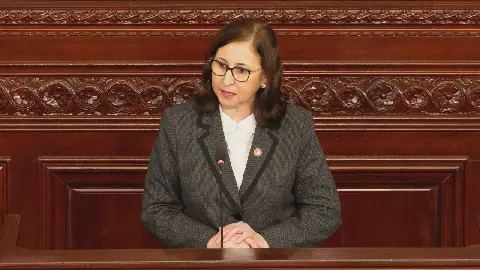
The situation in Libreville highlights the need for effective governance and enforcement of regulations. The provincial governor, Marie-Françoise Dikoumba, has stated that the government will assume its responsibilities, but residents are waiting to see concrete action. With the current situation showing no signs of improvement, residents are likely to continue suffering from noise pollution unless the authorities take decisive action to address the issue.
Key points
- Noise pollution in Libreville has significant health implications, including hypertension, stress, and depression.
- The authorities have existing regulations to address noise pollution but seem to be failing to enforce them.
- Residents are calling for the authorities to take responsibility for protecting their right to peace and quiet.