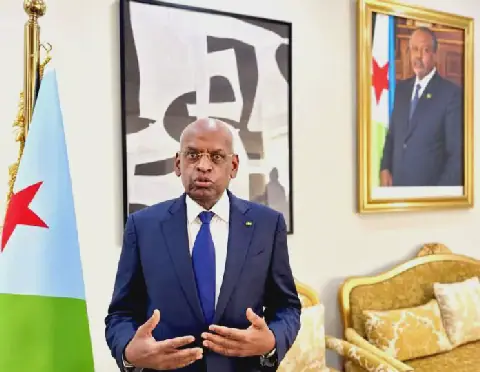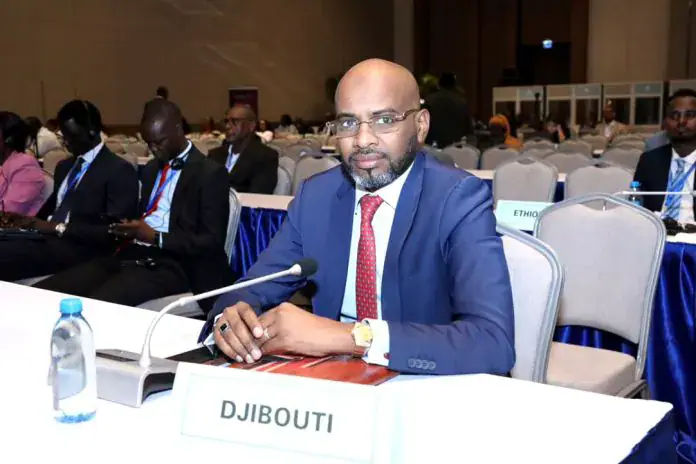
The meeting, which was attended by representatives from several African countries, including Djibouti, Gabon, Lesotho, the Democratic Republic of Congo, Ghana, Tanzania, and South Africa, focused on strategic orientations for digital development on the continent. The event was organized by the African Union's Department of Infrastructure and Energy. Djibouti's Minister of Communication, Posts, and Telecommunications, Mohamed Abdoulkader Moussa Helem, was among the participants.
The meeting provided a platform for dialogue and consultation to strengthen cooperation among member states in the fields of communication, telecommunications, and information technology. The discussions centered on key issues such as artificial intelligence, data governance, digital identity, and cybersecurity. These topics are increasingly important in African countries' public policies as they seek to develop performant digital infrastructure, secure electronic exchanges, and protect citizens' data.
Artificial intelligence was identified as an opportunity to improve productivity, modernize public services, and stimulate innovation in various sectors. However, its development requires adapted regulatory frameworks, strengthened local competencies, and increased cooperation among countries to promote responsible and inclusive use. Data governance is also a major challenge for African states, as the ability to collect, manage, protect, and valorize data is crucial for competitiveness and sovereignty.
The meeting also prioritized digital identity and cybersecurity. Reliable and accessible identification systems can facilitate access to administrative, financial, and social services. Strengthening cybersecurity is essential to prevent cyberattacks, protect critical infrastructure, and ensure the continuity of digital services. Participants shared their experiences and consolidated partnerships, highlighting the importance of regional and continental cooperation in this strategic sector.
The meeting evaluated the implementation of decisions adopted during the previous session in Addis Abeba in November 2023. This assessment aimed to measure progress, identify challenges, and define next steps to accelerate the achievement of the African Union's common objectives in information and communication technology. The election of a new bureau also took place, renewing the leadership of the Specialized Technical Committee.
In a context of increased international competition around technologies, infrastructure, and data, digital sovereignty has become a priority for African countries. Mastering technological tools, developing local solutions, and strengthening national capacities are essential to reduce external dependencies and enable states to better defend their strategic interests. For Gabon, hosting the meeting in Libreville provided an opportunity to contribute to continental reflections on the future of digitalization.
The closure of the meeting on October 30, 2026, marked the end of two days of discussions on Africa's digital priorities and prospects for strengthening cooperation among African Union member states. The event demonstrated the commitment of participating countries to addressing the challenges of digital transformation and promoting a more inclusive and connected Africa.
Key points
- The meeting focused on strategic orientations for digital development on the continent, including artificial intelligence, data governance, digital identity, and cybersecurity.