A fault at a transmission substation in Côte d'Ivoire has cut off Liberia's imports of 60 megawatts of electricity, straining the country's already constrained power supply. The Liberia Electricity Corporation (LEC) disclosed that the disruption occurred at a major transmission substation, affecting the electricity transmission lines. The loss of 60MW comes at a critical time, with national demand currently fluctuating between 160MW and 190MW.
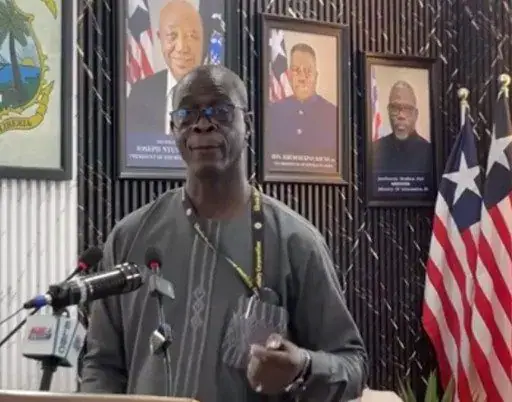
The dry season is expected to further reduce domestic electricity generation at the Mt. Coffee Hydropower Plant, which has an installed capacity of 80MW. LEC's Deputy Managing Director for Operations, Hon. Thomas Zailee Gonkerwon, explained that the plant's output diminishes during the dry season due to limited water availability in the reservoir. To mitigate the anticipated shortfall, LEC is maximizing available domestic generation, including its 20MW solar facility and a 38MW thermal plant.
LEC is also undertaking extensive maintenance on some facilities ahead of the dry season and plans to install an additional 10MW of solar capacity supported by a 12-megawatt-hour battery storage system. Gonkerwon expressed optimism that the disruption would be resolved in the shortest possible time, with technical tests indicating progress in identifying and addressing the fault. However, no restoration date has been given.
The proposed Master Infrastructure Development Agreement between the Government of Liberia and LEC aims to expand hydroelectric generation through additional water-storage infrastructure, new power generation facilities, transmission lines, and substations. The initiative is expected to introduce approximately 270MW of additional generation capacity through four new power plants, significantly improving the country's ability to meet growing domestic demand.
The proposed investments would also require upgrades to the Mt. Coffee substation and other substations within the Monrovia electricity network, alongside additional transmission infrastructure toward Nimba County. However, hydroelectric infrastructure projects require considerable time to complete, with construction generally taking between three and five years.
Development partners, including the World Bank, European Investment Bank, and African Development Bank, remain committed to supporting Liberia's electricity development efforts. Gonkerwon emphasized that improving electricity availability is essential to Liberia's industrialization, entrepreneurship, job creation, and overall economic development.
The LEC official highlighted the need to expand the transmission network to accommodate additional generation, noting that approximately 150 kilometers of transmission lines are proposed to connect the new facilities to the existing grid. Ongoing electricity projects supported by development partners are expected to complement the government's broader energy expansion agenda.
Key points
- The loss of 60MW of imported electricity has strained Liberia's power supply, exacerbating dry-season shortages.
- The proposed Master Infrastructure Development Agreement aims to introduce 270MW of additional generation capacity through new power plants and transmission infrastructure.
- Development partners continue to support Liberia's electricity development efforts, including the World Bank and European Investment Bank.