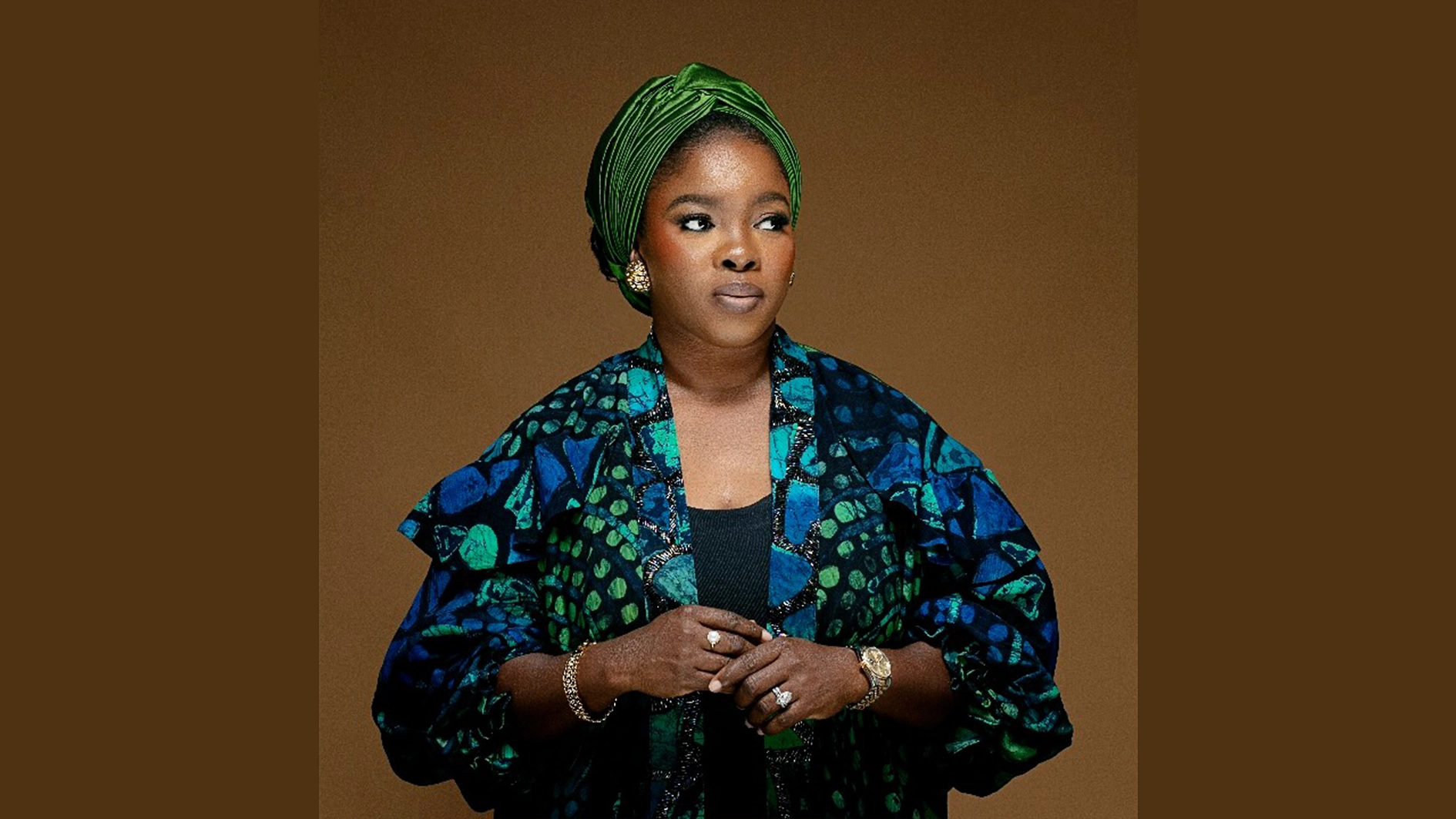
The Lagos State Government has emphasized the need for long-term funding and improved facilities to boost the state's fisheries sector. The call was made at the Maritime Correspondents' Organisation of Nigeria national conference on sustainable fishing held in Apapa, Lagos. The conference aimed to discuss ways to unlock Nigeria's estimated N25 trillion fisheries sector. Lagos State Commissioner for Agriculture and Food Systems, Ms. Ruth Abisola Olusanya, highlighted the importance of adequate financing for fisheries operators.
Financial institutions are often reluctant to lend to fisheries operators due to perceived high costs and risks associated with the sector. Olusanya, represented by Director of Fisheries, Mrs. Osunkoya Muibat, noted that fishers, fish farmers, and other operators require financing to acquire essential assets such as boats, engines, and fishing gear. Without access to affordable capital, operators in the sector struggle to expand production and improve their businesses. This has resulted in a significant gap in the state's fisheries production.
The fisheries value chain involves several interconnected activities, from production and landing of fish to handling, processing, storage, transportation, marketing, and consumption. Olusanya stressed that weaknesses at any point in the chain could lead to losses for producers and reduce the quantity and quality of fish available to consumers. To address this, the Commissioner emphasized the need for improved processing, storage, and transportation facilities to reduce post-harvest losses.
Strengthening the fisheries value chain would enable food security and improved livelihoods to reinforce each other. Lagos is strategically positioned to benefit from a stronger fisheries industry due to its extensive marine, lagoon, river, and estuary resources. The state has a large community of fishers, fish farmers, processors, traders, transporters, and input suppliers whose livelihoods depend directly or indirectly on fisheries. However, fisheries development in Lagos must consider the multiple uses of the state's waterways.
Special Adviser to the Lagos State Governor on Blue Economy, Mr. Oluwadamilola Emmanuel, called for the deliberate development of Nigeria's inland waterways to support sustainable fisheries and coastal livelihoods. Emmanuel, also the General Manager of Lagos State Waterways Authority, noted that efficient waterways could improve access to fishing grounds and facilitate the movement of fish-farming inputs and equipment.
Emmanuel identified Epe, Ikorodu, and Badagry as important areas in Lagos' fishing, aquaculture, and seafood economy. He highlighted the need for clean and sheltered landing points, efficient evacuation of catches, access for traders, transportation of feed and equipment, and adequate cold-storage facilities. Emmanuel advocated for closer integration between fisheries policy and transport planning.
The Lagos State Government's efforts to boost the fisheries sector are expected to create jobs and contribute significantly to economic growth. The development of integrated waterfront nodes, combining passenger mobility with facilities such as artisanal landing points and solar-powered cold storage, is being proposed. This initiative aims to support sustainable fisheries, food security, and coastal livelihoods in Lagos.
Key points
- - The Lagos State Government seeks long-term funding and better facilities to boost local fisheries production. - Financial institutions are often reluctant to lend to fisheries operators due to perceived high costs and risks. - The development of inland waterways and improved facilities is crucial for sustainable fisheries and coastal livelihoods.