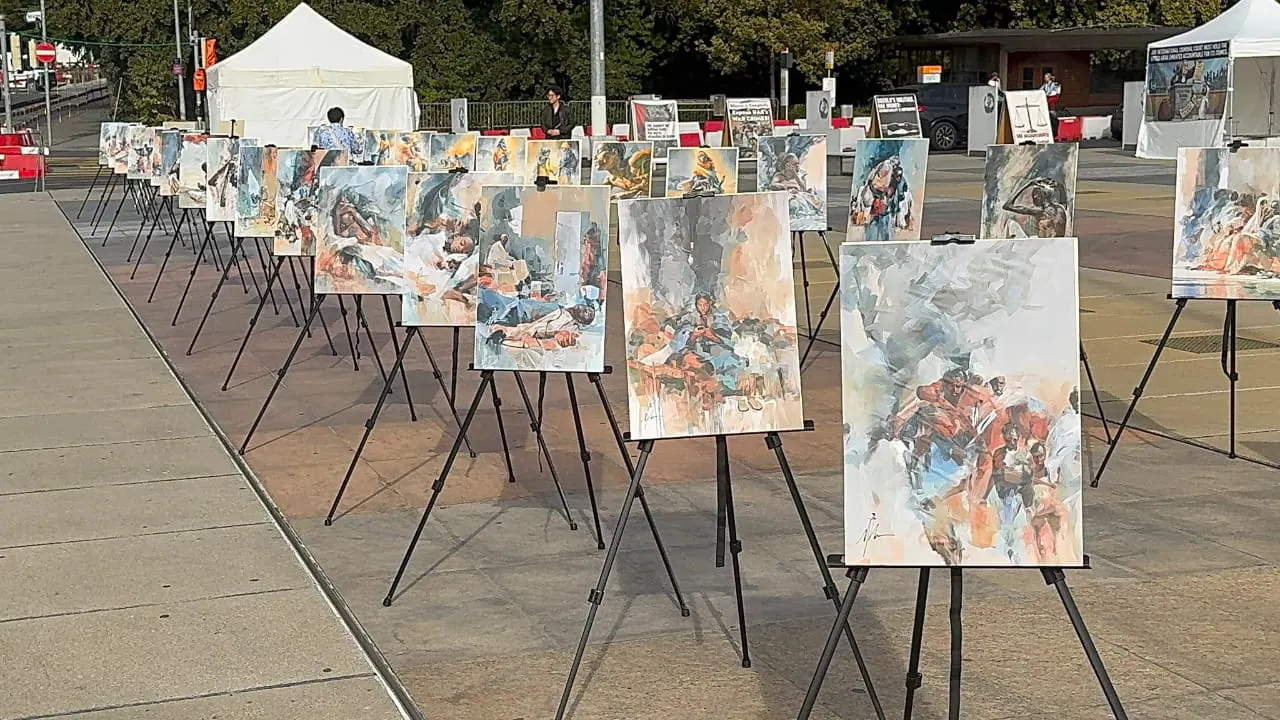
In a powerful display of art and activism, a recent exhibit at the United Nations headquarters in Geneva shed light on the humanitarian crisis in Sudan. The exhibition, titled "Sudan: Art as a Witness to Human Rights," was organized by the Human Rights Association and featured works by Sudanese artist Moutaz Moukhtar Ali. The showcase presented a poignant visual narrative of the war's impact on civilians, highlighting the atrocities committed and the resilience of the Sudanese people.
The exhibit's centerpiece was a collection of artworks by Moutaz Moukhtar Ali, which vividly depicted the horrors of war, including forced displacement, killings, and other human rights abuses. The pieces on display conveyed the suffering of innocent civilians, particularly women and children, and served as a testament to the brutal reality of the conflict. By sharing these stories through art, the exhibit aimed to amplify the voices of victims and bring attention to the plight of the Sudanese people.
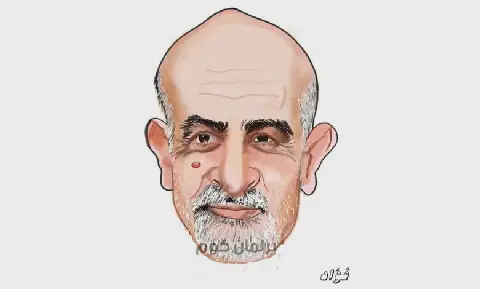
Moutaz Moukhtar Ali, the artist behind the exhibit, emphasized the significance of his participation, stating that it represented a humanitarian responsibility. He explained that his work sought to give a platform to the victims, showcasing their faces and stories, and highlighting the determination of the Sudanese people in the face of war. The exhibit provided a unique perspective on the conflict, one that transcended traditional reporting and offered a visceral experience for visitors.
The exhibition drew attention from the Arab art community, with Yemeni artist and art critic Dr. Altaf Hamdi visiting the showcase. Dr. Hamdi, a specialist in visual arts and artificial intelligence, praised the exhibit for its powerful portrayal of the Sudanese tragedy. She noted that the artworks effectively conveyed the human toll of the war, particularly the suffering of women and children, and that the visual medium was able to convey aspects of the crisis that written reports might not capture.
The event was held on the sidelines of the United Nations meetings in Geneva, where Sudan's conflict has been a topic of discussion. The exhibit served as a poignant reminder of the human cost of the war and the need for international attention and action. By using art as a medium, the exhibition provided a distinct perspective on the crisis, one that underscored the importance of empathy and understanding in addressing the humanitarian crisis.
The Human Rights Association, which organized the exhibit, aims to raise awareness about human rights abuses and promote accountability for those responsible. The showcase was part of a broader effort to bring attention to the situation in Sudan and to push for a peaceful resolution to the conflict. The exhibit demonstrated the power of art to convey complex issues and inspire action.
The "Sudan: Art as a Witness to Human Rights" exhibit has sparked a conversation about the role of art in documenting human rights abuses and promoting social change. As the conflict in Sudan continues, the exhibition serves as a powerful reminder of the importance of creative expression in raising awareness and promoting empathy.
Key points
- The exhibit "Sudan: Art as a Witness to Human Rights" showcases artwork highlighting human rights abuses and civilian casualties in Sudan's war-torn regions.
- Sudanese artist Moutaz Moukhtar Ali's works convey the suffering of innocent civilians and the resilience of the Sudanese people in the face of war.
- The exhibition aims to amplify the voices of victims and bring international attention to the humanitarian crisis in Sudan.