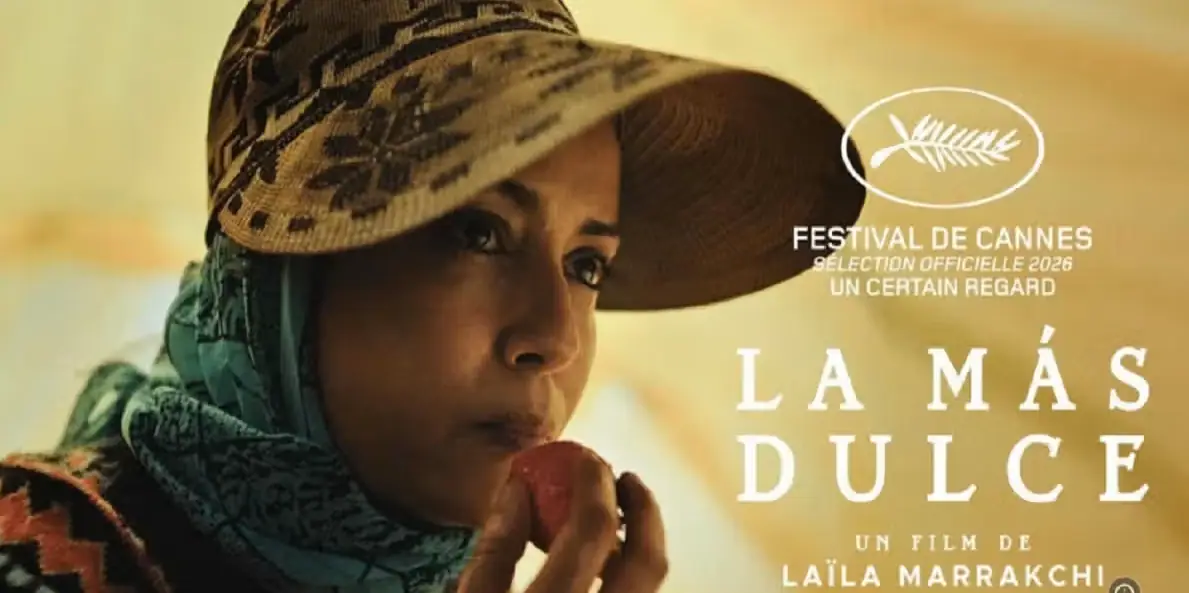
Moroccan filmmaker Laïla Marrakchi's latest film, "La Más Dulce" (Strawberries), provides a poignant and unflinching look at the daily lives of Moroccan seasonal workers in Spain's strawberry fields. The film, which premiered at the 23rd Marrakech International Film Festival, follows the stories of two women, Hasna and Meriem, who leave Morocco in search of a better life. Marrakchi's approach combines documentary and narrative techniques to shed light on the struggles and resilience of these women.
Marrakchi's decision to explore this topic was driven by a desire to "pass to the other side of the mirror" and deconstruct the myth of Europe as an Eldorado. She conducted extensive research in Spain, particularly in the regions of Huelva and Albacete, where many Moroccan seasonal workers are employed. The film is a result of her team's close collaboration with real-life seasonal workers, including Hasna, whose story inspired the film. Marrakchi aims to highlight the dignity, resilience, and struggles of these women in the face of exploitation and precariousness.
The film, which has been selected to represent Morocco in the running for the 2027 Oscar for Best International Film, has been praised for its authenticity and sincerity. Hasna, one of the real-life protagonists, attended the film's presentation and confirmed that it accurately reflects the experiences of Moroccan seasonal workers. She highlighted the importance of initiatives like the film in raising awareness about the challenges faced by these women and promoting their voices.
The film's cast, including Nisrine Erradi, Hajar Graigaa, Hind Braik, and Fatima Attif, were deeply moved by the stories of the seasonal workers and their experiences. Fatima Attif, who is from the Middle Atlas region, a major source of seasonal workers, initially hesitated to take on the role but was convinced by her sister of the importance of telling these women's stories. The film's message is clear: it is not about preventing women from working but about ensuring they do so with dignity and respect for their rights.
Marrakchi's film is not a simplistic portrayal of misery but rather a nuanced exploration of the lives of these women. The film's approach, which combines documentary and narrative techniques, preserves the complexity and humanity of the story. The film's impact extends beyond the screen, with Hasna emphasizing the need for continued efforts to improve working conditions and promote justice for seasonal workers.
Laïla Marrakchi is a renowned Moroccan filmmaker known for her previous works, including "Marock" and "Rock the Casbah." Her experience in television, including directing episodes of "The Bureau" and the series "Carême," has also contributed to her versatility as a filmmaker. With "La Más Dulce," Marrakchi continues to demonstrate her commitment to telling important and impactful stories.
The film's success has already been recognized, with its selection for the Un Certain Regard section at the 2026 Cannes Film Festival. As the film continues to reach audiences, its message about the importance of dignity and respect for seasonal workers is likely to resonate with viewers. The film serves as a testament to the power of storytelling to raise awareness and promote change.
Key points
- The film "La Más Dulce" offers a poignant look at the daily lives of Moroccan seasonal workers in Spain's strawberry fields.
- The film's approach combines documentary and narrative techniques to shed light on the struggles and resilience of these women.
- The film aims to promote awareness and change, highlighting the importance of dignity and respect for seasonal workers.