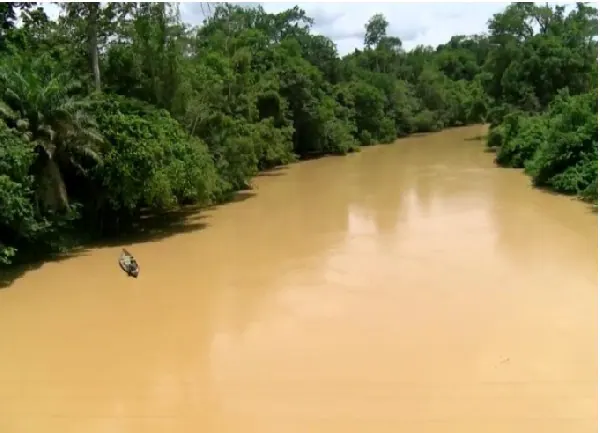
Residents of Kyebi in Ghana's Eastern Region are struggling to access clean water as the town's water treatment plant has been out of service for over a year. The plant, operated by the Ghana Water Company Limited (GWCL), was shut down due to pollution in the Birim River caused by illegal mining, also known as galamsey. The river has been turned into a muddy brown color, making it impossible for the plant to process water. This has left thousands of residents scrambling for alternative water sources.
The impact of the shutdown is being felt by households and businesses in Kyebi and surrounding communities. For over twelve months, families have had to find their own ways to fetch, store, or purchase water, with no clear indication from officials of when the situation will change. The prolonged shutdown has increased the cost and effort to secure safe water, and residents are also at risk of waterborne illnesses from untreated alternatives.
The pollution of the Birim River is part of a wider pattern of galamsey's toll on Ghana's water bodies. The issue has repeatedly surfaced in national debate, with many calling for increased action to be taken against illegal mining. Earlier this month, a KNUST lecturer argued that traditional authorities must take a more active role in the fight against illegal mining. The role of chieftaincy in galamsey has also come under scrutiny in other parts of the country.
In the Bono Region, royals in Wenchi demanded a formal probe after a leaked report allegedly tied some chiefs to mining-related payments. The issue of galamsey has also led to proposals for a nationwide ban on small-scale mining. Former trade minister Alan Kyerematen has suggested a one-year ban on small-scale mining altogether. The government has been criticized for its enforcement posture, with some questioning its commitment to tackling the issue.
The shutdown of the Kyebi plant is a direct consequence of galamsey for ordinary residents. The lack of treated tap water has disrupted daily life for households and local businesses alike. It also adds to a growing tally of communities nationwide where illegal mining has compromised access to potable water. This has intensified pressure on the government's record on enforcing anti-galamsey measures.
Officials have called on the National Anti-Illegal Mining Operations Secretariat (NAIMOS) to step up operations in the Kyebi area to halt further degradation of the river. NAIMOS is the government body tasked with coordinating security operations against illegal small-scale mining. However, there is no clear timeline for when the Birim River might be clean enough for GWCL to resume treatment, nor a date by which NAIMOS is expected to intensify its operations.
The situation in Kyebi highlights the need for urgent action to address the issue of galamsey in Ghana. The government, traditional authorities, and other stakeholders must work together to find a solution to the problem. The people of Kyebi and other affected communities are eagerly waiting for a resolution to the water crisis, which has had a significant impact on their daily lives.
Key points
- The water treatment plant in Kyebi has been shut down for over a year due to galamsey pollution in the Birim River.
- The shutdown has left thousands of residents without access to clean water, forcing them to rely on alternative sources.
- The issue of galamsey is a wider problem in Ghana, with many calling for increased action to be taken against illegal mining.