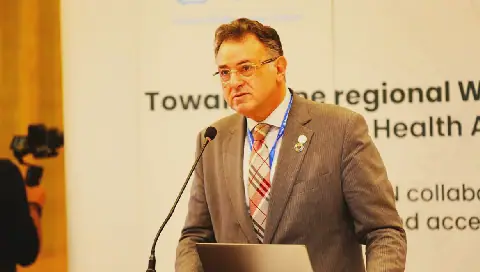
The Kenya Veterinary Association (KVA) has urged the government to increase investment in veterinary services, citing inadequate funding and workforce challenges that are undermining livestock productivity and disease control. According to KVA President Dr. Kelvin Osore, veterinary services require greater support to transform livestock farming into a more productive commercial sector. This call was made during the association's 60th anniversary celebrations.
Dr. Osore emphasized that veterinarians should focus on improving animal productivity beyond just treating diseases. The association attributed the challenges in veterinary service delivery to devolution, which transferred functions to county governments. Additionally, salary and allowance disparities have led to a demotivated workforce. These factors have hindered the effective delivery of veterinary services, impacting livestock health and productivity.
The KVA identified inadequate access to quality animal feeds and climate-related pressures as significant constraints to livestock production. With about 60% of Kenya classified as arid and semi-arid, the association stressed the need for greater investment in feed production and affordable veterinary services. This would help farmers, particularly in vulnerable areas, access adequate feed reserves before extreme weather events occur.
The association also called for stronger preparedness for droughts and flooding, which could increase the risk of diseases such as Rift Valley fever. To mitigate this, the KVA urged authorities to strengthen disease surveillance and vaccination. Targeted vaccination in areas with previous outbreaks is crucial to prevent the spread of diseases. This proactive approach would help safeguard livestock health and prevent potential outbreaks.
Furthermore, the KVA emphasized the importance of increased investment in rabies prevention through mass vaccination of dogs and cats, particularly in rural communities. This effort would help unlock the livestock sector's contribution to economic growth, food security, and rural livelihoods. By prioritizing animal health, the government can tap into the sector's potential to drive development.
The KVA's call for increased investment in veterinary services is aimed at enhancing livestock productivity and disease control. The association believes that with stronger financial and technical support, the livestock sector can significantly contribute to the country's economy. This, in turn, would improve the livelihoods of farmers and rural communities, who heavily rely on livestock farming.
In conclusion, the Kenya Veterinary Association's push for increased investment in veterinary services is critical to addressing the challenges facing the livestock sector. By prioritizing animal health, improving veterinary services, and enhancing disease surveillance, the government can help transform livestock farming into a more productive and commercial sector, ultimately driving economic growth and food security.
Key points
- The Kenya Veterinary Association is calling for increased government investment in veterinary services to enhance livestock productivity and disease control.
- Inadequate funding and workforce challenges are undermining livestock productivity and disease control in Kenya.
- The association is urging authorities to strengthen disease surveillance and vaccination to prevent the spread of diseases such as Rift Valley fever.