The Conscience for Human Rights and Conflict Resolution (CHRCR) has urged the Kogi State Government to address the shortage of teachers in the state, particularly in basic schools. The Executive Director of CHRCR, Idris Miliki Abdul, made the call in a statement issued to commemorate this year's Teachers' Day. He emphasized the critical role teachers play in the development of society, noting that many professionals and leaders across different sectors are products of the teaching profession.
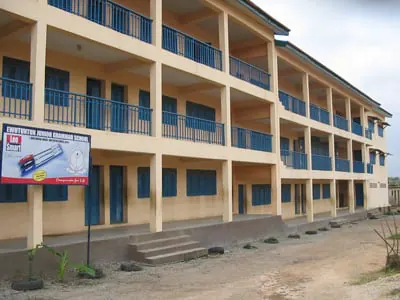
Abdul described teachers as critical to the development of society, noting that professionals and leaders across different sectors, including doctors, lawyers, engineers, judges, governors and presidents, were products of the teaching profession. He therefore urged the state government to give teachers special attention by addressing manpower shortages. The CHRCR director also called for the rehabilitation of schools requiring urgent intervention to create a more conducive learning environment for students.
The human rights activist also called for the provision of affordable transportation across the 21 local government areas of the state to ease the burden on students and other citizens. According to him, rising fuel prices have placed considerable financial pressure on students, making transportation increasingly difficult for many families. This, he noted, has resulted in a significant challenge for residents in accessing basic services and social amenities.
Abdul expressed concern over the poor state of public transportation in Kogi State, saying the sector had largely been left in the hands of private operators. He questioned the effectiveness of the Ministry of Transportation in addressing the transportation challenges confronting residents. The collapse of the state-owned Confluence Transport Company has left its workers without jobs and deprived residents of a viable public transportation alternative.
The CHRCR director therefore appealed to the administration of Governor Ahmed Usman Ododo to declare a state of emergency in the transportation sector. He further urged the state government to explore the Federal Government's transportation initiatives and similar programmes being implemented by other states to cushion the effects of rising transportation costs on citizens. This, he noted, would help alleviate the suffering of residents and promote economic growth.
Abdul commended teachers for their contributions to the development of society and called for policies that would improve their welfare and create a more conducive learning environment for students across Kogi State. He emphasized that teachers are great people, without whom there would be no doctors, lawyers, engineers, judges, governors and even presidents. The CHRCR director therefore urged the government to prioritize the needs of teachers and students.
The CHRCR has expressed hope that the Kogi State Government will take its recommendations seriously and take urgent steps to address the challenges in the education and transportation sectors. The organization believes that by doing so, the government can promote sustainable development, improve the quality of life of residents, and create a more equitable society. Key initiatives, such as recruiting more teachers and revamping the transportation sector, are expected to have a positive impact on the state's development.
Key points
- The Kogi State Government has been urged to urgently recruit more teachers to address the shortage in the state's educational institutions.
- The government has also been called upon to revamp the transportation sector to ease the burden on students and other citizens.
- The Conscience for Human Rights and Conflict Resolution believes that addressing these challenges can promote sustainable development and improve the quality of life of residents.