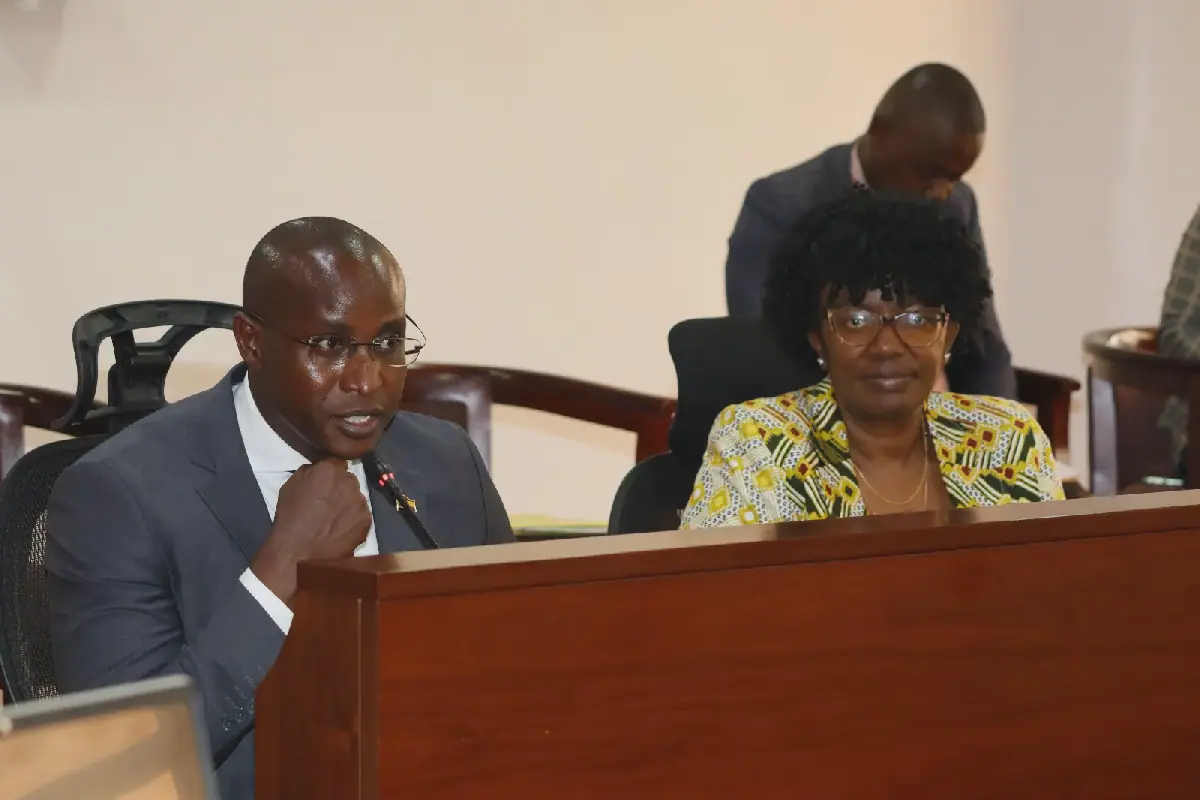
The Kenya Medical Training College (KMTC) has appealed to Members of Parliament for Higher Education Loans Board (HELB) financing for its students. According to KMTC CEO Dr. Kelly Oluoch, the college's 89,586 students face challenges accessing government financial support because KMTC falls under the Ministry of Health rather than the Ministry of Education. This has resulted in a crisis in admissions, with thousands of qualified students forced to abandon their training slots.
Dr. Oluoch informed the National Government Constituencies Development Fund (NG-CDF) Committee that KMTC trains over 85 percent of Kenya's healthcare workforce. However, the college's exclusion from state financing is forcing students to forfeit their training slots. Every cycle, 20,000 students placed through KUCCPS fail to report after discovering there is no government scholarship or loan to support them. This has resulted in a double loss, as students who cannot afford the fees surrender their slots while other qualified applicants miss opportunities.
Committee members observed that the situation is unsustainable and proposed possible solutions. Hon. Clive Gisairo suggested that KMTC and KUCCPS introduce a declaration of ability to pay fees before placement to minimize wastage of admission slots. He proposed a pop-up message on the KUCCPS portal informing students that KMTC courses are self-sponsored. However, Hon. Musa Sirma, chair of the NG-CDF Committee, backed KMTC's plea, questioning why the institution should be left out of the Ksh. 300 billion education financing package.
Hon. Sirma argued that it makes no sense for KMTC to be excluded from government financing simply because it falls under the Ministry of Health rather than the Ministry of Education. Dr. Oluoch defended KMTC's placement under the Ministry of Health, citing the clinical nature of the training and its dependence on hospital attachments and health regulatory bodies. He cited precedents of specialized colleges staying under line ministries, such as Bukura Agricultural College and Kenya Water Institute.
To guarantee equitable funding to all students in tertiary institutions across ministries, Dr. Oluoch proposed that the envisaged Tertiary Education Funding Authority (TEFA) sit under the National Treasury. This would ensure that all students, regardless of the ministry overseeing their institution, have access to government funding. The KMTC CEO emphasized that national financing legislation should recognize KMTC trainees as post-secondary students deserving of equitable state funding.
The NG-CDF Committee's engagement with KMTC management also covered a review of constituencies with NG-CDF-funded KMTC campuses. The committee assessed the status of KMTC projects funded by the NG-CDF Board. The meeting highlighted the need for collaboration between the government, KMTC, and other stakeholders to address the funding challenges facing the institution and its students.
The KMTC has 89,586 students and plays a critical role in training Kenya's healthcare workforce. The institution's appeal for HELB financing has garnered support from some MPs, who argue that the college's exclusion from government funding is unsustainable. As the government considers the KMTC's plea, stakeholders will be watching closely to see how the issue is resolved and what implications it may have for the country's healthcare sector.
Key points
- KMTC trains over 85 percent of Kenya's healthcare workforce.
- 20,000 students forfeit training slots every cycle due to lack of government funding.
- KMTC CEO proposes that Tertiary Education Funding Authority (TEFA) sit under the National Treasury to guarantee equitable funding.