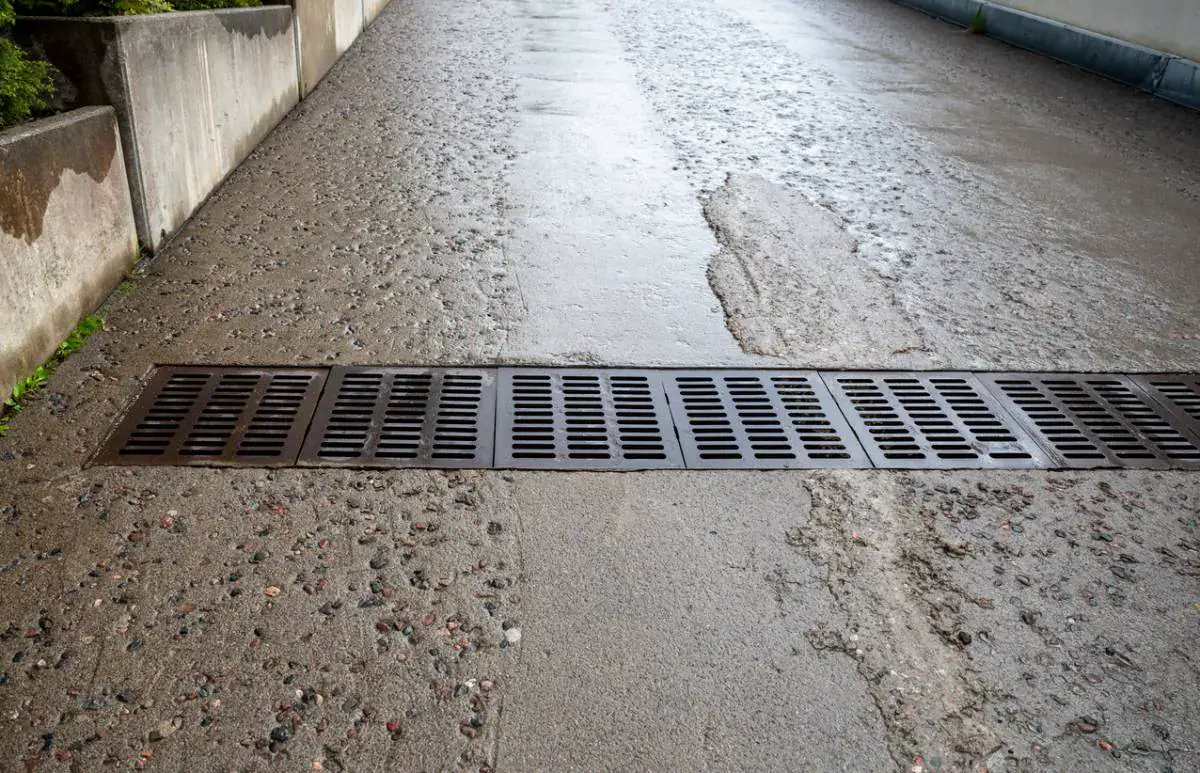
Inadequate drainage systems are a common problem in Algeria, leading to flooding and damage to infrastructure. Often, the issue lies not with the underground network, but with the initial drainage channel. A poorly designed system can result in premature degradation and high repair costs. To address this, experts recommend selecting channels tailored to specific needs, taking into account factors such as traffic load and rainfall runoff.
Drainage channels are not generic products; their design and resistance vary significantly depending on their intended use. A specialist can help determine the precise requirements for a project, including the type of traffic, rainfall runoff, and installation constraints. A professional range of channels can cater to different needs, from lightweight polypropylene channels for pedestrian areas to high-performance concrete channels for industrial or airport zones.
The website hauraton.com offers a diverse range of channels and provides expert advice for various project configurations. The free expert consultation can save considerable time and avoid costly mistakes. For instance, selecting the correct load class from the outset can prevent expensive rework later on. The NF EN 1433 standard structures channel selection around six load classes, ranging from A15 to F900.
The A15 class corresponds to a resistance of 15 kN (approximately 1.5 tons), suitable for pedestrian zones, bike paths, and green spaces. In contrast, the F900 class supports 900 kN (approximately 90 tons) and meets the requirements of ports, airports, and sites with exceptional loads. Other classes, such as B125 and C250, are suitable for light roads and residential parking areas, while D400 and E600 classes are required for heavy traffic zones.
The choice of materials depends on the load class, with polypropylene and fiber-reinforced concrete suitable for classes A15 to C250, and high-performance concrete, steel, and cast iron reserved for classes D400 to F900. The price of a channel varies significantly depending on the selected class and material. A polypropylene system for a pedestrian area will have a different budget than a cast iron channel for a port area.
Proper planning and selection of drainage channels can optimize water evacuation on exterior development areas. Factors such as load-bearing capacity, material, and installation quality must be considered to ensure effective drainage. By selecting the right channel for the specific needs of a project, infrastructure can be protected from damage and repair costs minimized.
In conclusion, effective drainage systems in Algeria require careful consideration of channel selection based on load-bearing capacity and material. By consulting with experts and selecting the correct channel class and material, infrastructure developers can ensure the longevity and durability of their projects. This approach can help mitigate the risks associated with inadequate drainage systems and promote sustainable development.
Key points
- Proper channel selection is crucial for effective drainage systems.
- Load-bearing capacity and material are key factors in channel selection.
- Expert consultation can help determine the correct channel class and material for a project.