Deputy President Kithure Kindiki has ordered a fresh inspection of alcohol manufacturing plants to ensure compliance with required standards and regulations. This move is part of the government's efforts to strengthen its fight against illicit alcohol and drug abuse. Kindiki announced a special Intergovernmental Budget and Economic Council (IBEC) meeting next month to improve cooperation between the national and county governments in dealing with alcohol abuse. The inspections and meeting aim to curb the production and sale of prohibited alcoholic drinks.
Kindiki emphasized that the fight against illicit alcohol and drugs should not be turned into a political issue. He urged security agencies to remain focused on enforcing the law despite political pressure. The Deputy President stated that the government's achievements in national security issues, including the fight against terror and banditry, have been made by depoliticizing these issues. He encouraged security agencies to do their job without being swayed by political noise.
The Deputy President met with Interior Cabinet Secretary Kipchumba Murkomen, Inspector General of Police Douglas Kanja, and heads of regulatory and enforcement agencies to assess the implementation of government directives and measures aimed at curbing illicit alcoholic drinks. Kindiki stated that intelligence-led multi-agency sting operations are progressively dismantling cartels, disrupting supply chains, and incapacitating unlicensed manufacturer establishments. The government continues to sustain the war against illicit alcohol and drug abuse to protect public health and secure the nation.
Kindiki also announced that the government will examine the licensing and regulation of alcoholic drinks that are legally produced. The aim is to ensure that their sale, distribution, and consumption take place within established legal controls. Some counties have begun having their own alcohol-related legislations, and the government plans to replicate best practices. This move is expected to control alcohol consumption and mitigate its implications on the economy.
A special IBEC meeting will be convened next month to tighten collaboration with counties in dealing with alcohol abuse. One of the measures to be discussed is the establishment of at least one major rehabilitation centre in every county within the next year. Ahead of the IBEC meeting, Kindiki directed Murkomen to organise a sector forum within two weeks, bringing together key stakeholders to discuss the licensing and regulation of alcohol trade and consumption.
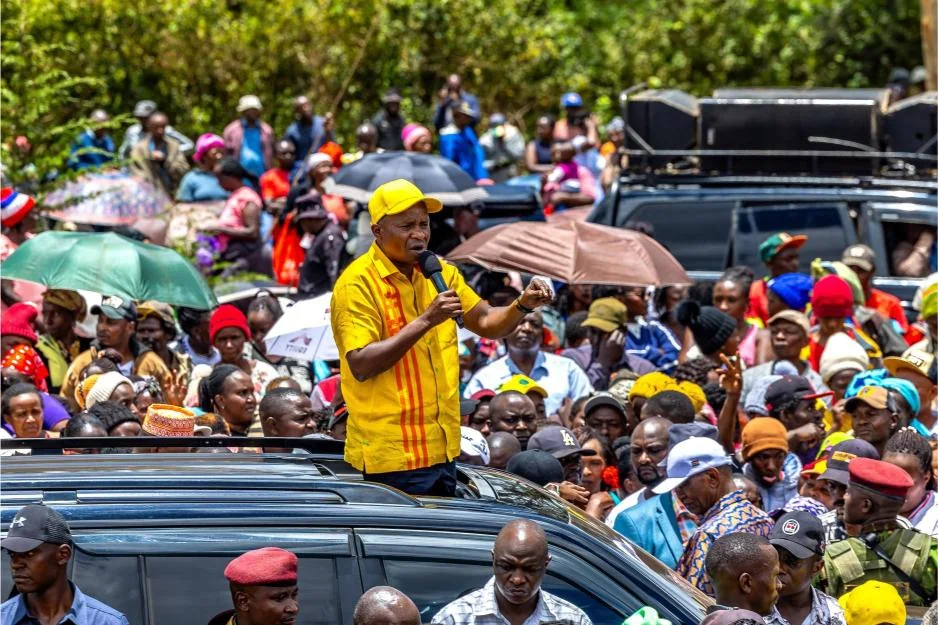
The sector forum will also look at the framework for cooperation between the national and county governments in establishing and operating rehabilitation services. Kindiki renewed his warning against those involved in the illicit alcohol trade while inspecting development projects in Mathira Constituency, Nyeri County. He vowed that the government would continue pursuing people involved in selling harmful alcoholic drinks and take tough action against those found engaging in the trade.
Kindiki's efforts to curb illicit alcohol and drug abuse have been ongoing, with a focus on protecting public health and securing the nation for present and future generations. The government's measures aim to dismantle cartels and disrupt supply chains, ultimately reducing the harm caused by illicit alcohol and drugs. The planned IBEC meeting and sector forum are expected to strengthen the partnership between the national and county governments in addressing this issue.
Key points
- Deputy President Kithure Kindiki orders fresh inspection of alcohol manufacturing plants to ensure compliance with required standards and regulations.
- The government plans to establish at least one major rehabilitation centre in every county within the next year.
- Kindiki urges security agencies to remain focused on enforcing the law despite political pressure.