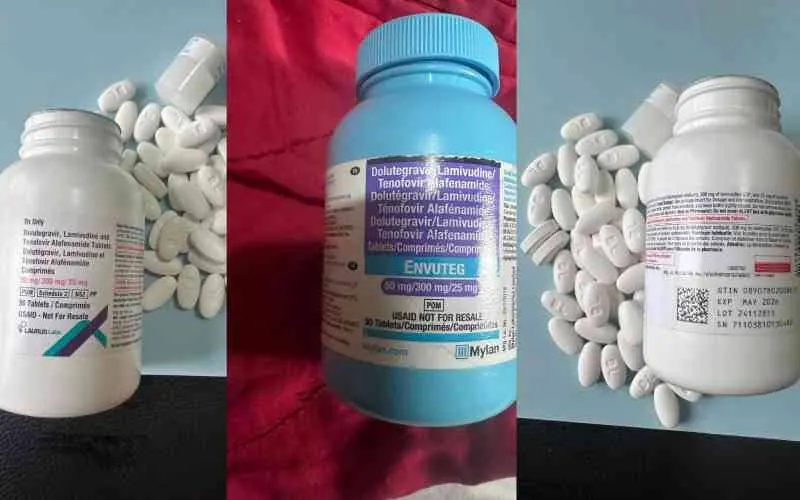
Monicah, a Kenyan woman, has expressed fears that she may suffer kidney failure like her late husband due to the shortage of antiretroviral (ARV) drugs. Her husband died from kidney failure after years of living with HIV. Months after his death, Monicah went to hospital to have her kidneys checked and tests confirmed she already had mild kidney failure. She is now worried that without access to ARVs, her condition may worsen.
Monicah's husband was living with HIV for several years before his death. The Kenyan government has been working to provide ARVs to those living with HIV, but there have been reports of shortages in some areas. The National AIDS Control Program (NASCOP) and the Kenya Medical Supplies Authority (KEMSA) are responsible for procuring and distributing ARVs. However, there have been challenges in the supply chain, leading to shortages in some parts of the country.
The shortage of ARVs has been a major challenge in Kenya's fight against HIV/AIDS. The country has made significant progress in providing treatment to those living with HIV, but there is still a long way to go. The Kenya Network of People Living with HIV/AIDS (NEPHAK) has been working with the government to address the issue of ARV shortages. The organization has been advocating for increased funding and improved supply chain management to ensure that those living with HIV have access to the medication they need.
Monicah's story highlights the challenges faced by those living with HIV in Kenya. Despite the progress made in providing treatment, many people are still struggling to access ARVs. The situation is further complicated by the fact that many people living with HIV are also experiencing other health challenges, such as kidney disease. The government and other stakeholders must work together to address these challenges and ensure that those living with HIV have access to the care and treatment they need.
The Kenyan government has been working to address the issue of ARV shortages. In recent years, the government has implemented a number of initiatives aimed at improving the supply chain and increasing access to ARVs. These initiatives include the use of technology to track the distribution of ARVs and the implementation of a new procurement system. However, more needs to be done to address the issue of ARV shortages and ensure that those living with HIV have access to the medication they need.
The shortage of ARVs has significant implications for those living with HIV in Kenya. Without access to ARVs, people living with HIV are at risk of developing opportunistic infections and other health complications. The situation is further complicated by the fact that many people living with HIV are also experiencing other health challenges, such as kidney disease. The government and other stakeholders must work together to address these challenges and ensure that those living with HIV have access to the care and treatment they need.
Monicah's story is a stark reminder of the challenges faced by those living with HIV in Kenya. Her fears about her own health are a testament to the anxiety and uncertainty that many people living with HIV experience. The government and other stakeholders must work together to address the issue of ARV shortages and ensure that those living with HIV have access to the care and treatment they need. This includes improving the supply chain, increasing funding, and implementing initiatives aimed at improving access to ARVs.
Key points
- A Kenyan woman fears she may suffer kidney failure like her late husband due to ARV shortage.
- The Kenyan government has been working to address the issue of ARV shortages, but more needs to be done.
- The shortage of ARVs has significant implications for those living with HIV in Kenya, including increased risk of opportunistic infections and other health complications.