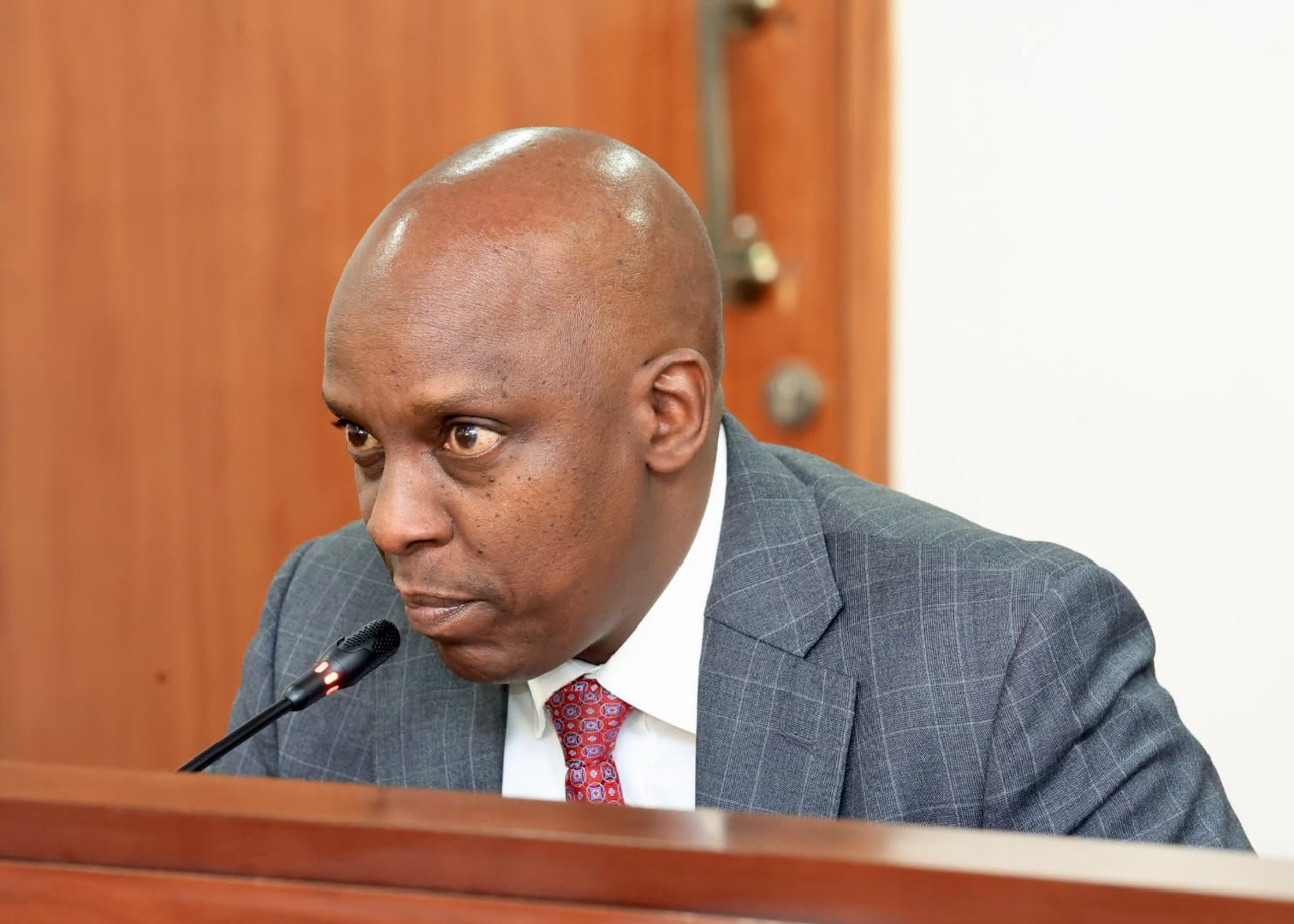
The Kenyan parliament's Public Petitions Committee has launched an inquiry into Safaricom's practices regarding inactive mobile numbers. This investigation follows a petition filed by Thomson Kerongo and Asiago Stephen, who claim that Safaricom routinely deactivates SIMs after six months of inactivity and reallocates the numbers without sufficient notice to the original owners. The petitioners argue that this practice poses significant financial and privacy risks to former subscribers, as mobile numbers are now linked to mobile-money accounts, banking services, social media, and email.
The Communications Authority (CA) presented its updated framework for deactivating and recycling inactive mobile numbers to the National Assembly's Public Petitions Committee on October 6, 2026. According to CA Director-General David Mugonyi, operators must first attempt to contact any subscriber whose number has been continuously inactive for more than three months, using registration details such as alternative phone numbers and email addresses. This move aims to prevent silent deactivations and ensure clearer public notice.
The CA's framework also allows subscribers to request protection from recycling, for example, when they are ill, imprisoned, or otherwise incapacitated. In the case of inmates, the Commissioner of Prisons may submit such requests on their behalf. Committee chair Janet Sitienei raised a case involving a deceased relative whose SIM was believed to hold inaccessible mobile-money funds, prompting MPs to ask who should be notified upon a subscriber's death and whether such balances fall under Kenya's unclaimed-assets regime.
During the hearing, MPs questioned the handling of mobile-money funds tied to deactivated or recycled numbers. The CA did not announce a new mechanism for recovering such funds, leaving the issue open for further parliamentary scrutiny involving Safaricom, the Central Bank, the Unclaimed Financial Assets Authority, and consumer groups. The committee emphasized the need for a comprehensive approach to address the complexities surrounding inactive SIMs and mobile-money funds.
A significant challenge identified during the hearing was the incompleteness of SIM registration data. Some customers omit alternative contacts, while some agents fail to collect them. The CA is considering requiring operators to handle registration directly rather than through third-party agents. This move aims to improve the accuracy and completeness of SIM registration data, reducing the risks associated with silent deactivations and recycling.
The National Assembly's Public Petitions Committee concluded that it will continue its inquiry into Safaricom's handling of inactive numbers. The committee's investigation will focus on ensuring that Safaricom's practices are transparent and do not pose significant risks to subscribers. The CA's updated framework is a step towards addressing the concerns raised by MPs and petitioners, but further scrutiny is needed to ensure that the rights of subscribers are protected.
The outcome of the parliamentary inquiry and the implementation of the CA's framework will have significant implications for Safaricom and other mobile network operators in Kenya. The inquiry highlights the need for mobile operators to balance their business needs with the rights and interests of their subscribers. As the investigation continues, stakeholders will be watching closely to ensure that the regulatory framework protects subscribers and promotes a fair and transparent mobile industry.
Key points
- The Kenyan parliament is investigating Safaricom's handling of inactive SIMs following concerns about the company's practices and potential financial and privacy risks to former subscribers.
- The Communications Authority has outlined new safeguards for deactivating and recycling SIMs, including requirements for operators to attempt to contact inactive subscribers and provide clearer public notice.
- The inquiry has highlighted significant challenges, including the incompleteness of SIM registration data and the need for a comprehensive approach to address the complexities surrounding inactive SIMs and mobile-money funds.