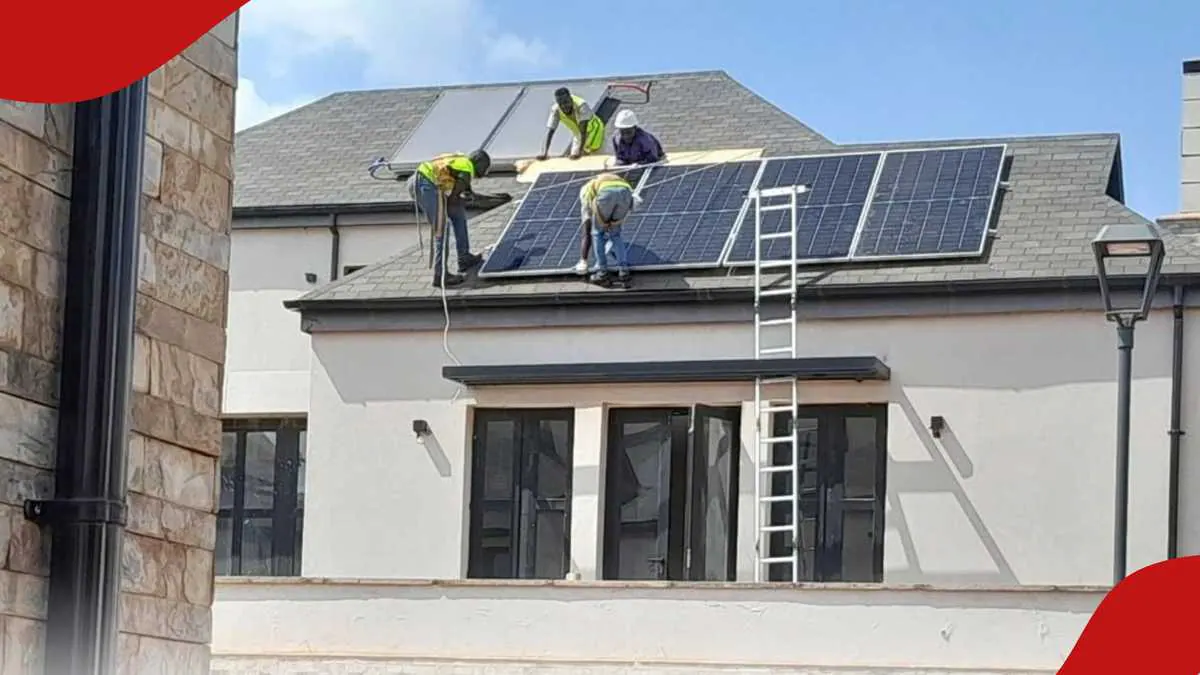
The Energy and Petroleum Regulatory Authority (EPRA) in Kenya has introduced a dumping surcharge targeting homes and businesses that feed excess solar electricity into the Kenya Power grid without approval. This move aims to regulate the increasing number of solar installations and prevent potential disruptions to the national grid. According to EPRA, the surcharge applies to solar system owners who route surplus power onto the national grid without a valid net-metering agreement in place.
The Energy (Net-Metering) Regulations, 2024, provide a structured pathway for consumers to generate their own electricity and sell surplus output back to the grid. Under this framework, power systems of up to one megawatt are permitted to export excess electricity to the Kenya Power network, but only after the customer has entered into a formal net-metering agreement with the utility. This regulation ensures that solar installations are safely integrated into the grid.
Kenya Power and Lighting Company (KPLC) has warned that unauthorized solar exports can destabilize grid frequency and voltage, forcing it to activate backup generation sources. The company noted that sudden shifts in solar and wind generation create fluctuations in grid frequency and voltage, requiring it to bring additional generation sources online at short notice to compensate. This can make the national grid more vulnerable when wind and solar power generation fluctuates sharply.
To address these concerns, the new EPRA regulations give Kenya Power authority to disconnect any power system that threatens the safety, reliability, or security of its distribution network. However, simply owning a solar system does not attract any penalty. The surcharge applies only when a solar installation is physically linked to the Kenya Power grid and pushes electricity back onto it without authorization.
Kenya Power disclosed that wind and solar power together accounted for 34% of the energy mix during daytime peak demand periods in August. The company emphasized the need for tighter oversight to manage the integration of intermittent renewable energy sources into the grid. This development highlights the growing importance of renewable energy in Kenya's energy mix.
In addition to the dumping surcharge, EPRA announced three additional charges on Kenya Power electricity bills for September 2026. The adjustments include fuel, foreign exchange, and water resource management levies, adding a combined KSh 4.16 per kWh. These charges follow a combined foreign exchange loss of more than KSh 1.3 billion across KenGen, Kenya Power, and independent power producers.
A legal route exists under the Energy (Net-Metering) Regulations, 2024, for customers who wish to generate their own electricity and sell surplus output back to the grid. Customers must first enter into a formal net-metering agreement with Kenya Power to avoid the dumping surcharge. This provides an opportunity for households and businesses to benefit from solar energy while ensuring grid stability.
Key points
- Households and businesses with solar installations risk financial penalties if they feed excess electricity into the Kenya Power grid without obtaining prior approval.
- The Energy (Net-Metering) Regulations, 2024, provide a structured pathway for consumers to generate their own electricity and sell surplus output back to the grid.
- EPRA introduced additional charges on Kenya Power electricity bills, including fuel, foreign exchange, and water resource management levies, adding a combined KSh 4.16 per kWh.