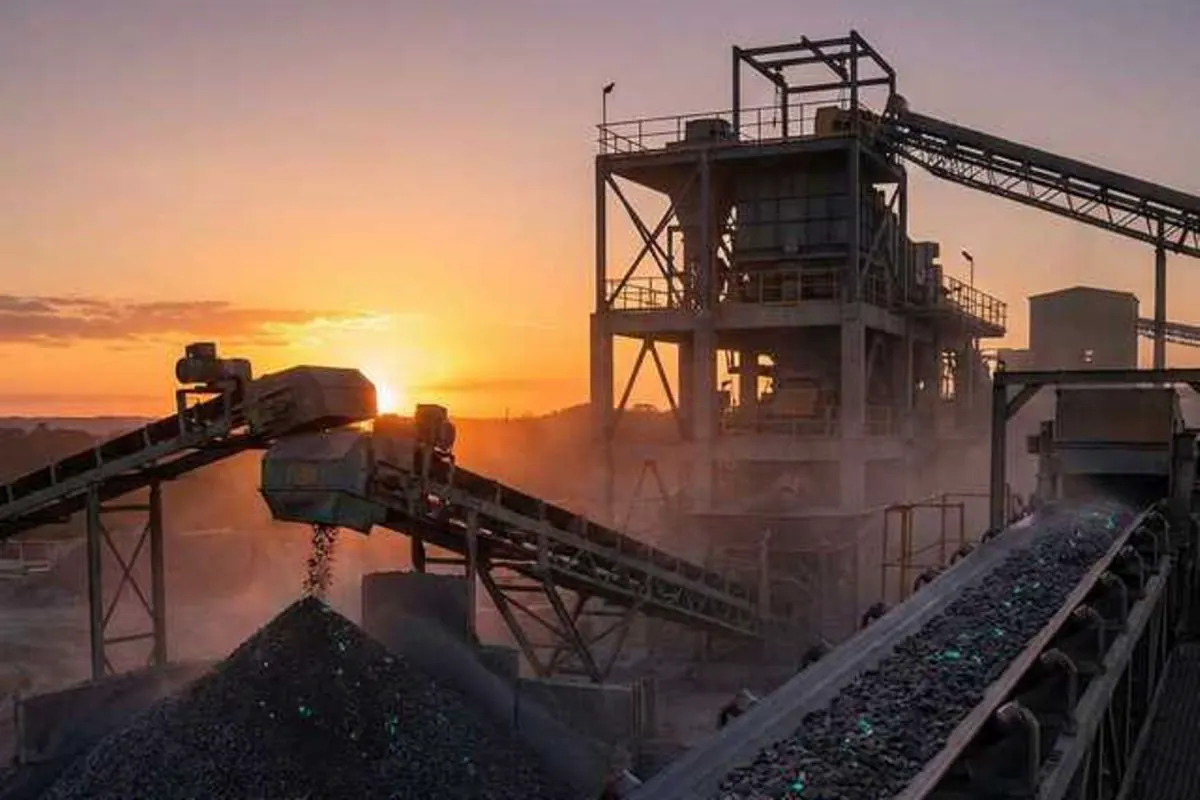
Kenya is poised to capitalize on its mineral wealth, with a sophisticated financial sector, verified warehouse system, and growing technical expertise. The country's position as East Africa's commercial hub and access to the Port of Mombasa make it an attractive location for investors. During the recent AmCham Business Summit in Nairobi, the message was clear: Kenya has an extraordinary opportunity to turn its natural resources into industrial development. Critical minerals are driving demand for various technologies, from smartphones to energy infrastructure.
However, mineral potential is not enough to guarantee broad-based prosperity. According to former United States Ambassador to Guinea, Troy Fitrell, geology opens the door, but policy, technology, and political will determine what comes through it. The mining industry has historically been conservative, and caution can hold back progress. Fitrell argues that Kenya should not accept the notion that something cannot be done simply because it has not been done before.
The Kenyan government has set a challenge for the industry: minerals should not be extracted and shipped overseas for higher-value work elsewhere. Instead, processing, beneficiation, and surrounding activities should take place in Kenya. The technology, expertise, and capital exist, but clear government direction and innovative companies are required. Kenya should insist on adopting tomorrow's technology today, including extraction and processing techniques that reduce energy and water consumption.
An immediate opportunity to apply these principles is the tender for the niobium and rare-earth prospect at Mrima Hill. The minerals identified there are used in electronics, high-strength alloys, and permanent magnets. However, further exploration and economic analysis are needed to determine the project's feasibility. The right partner will bring financing, modern technology, and build Kenyan expertise, while engaging with local communities and recognizing the need for statutory approvals.
Africa also needs greater ownership over how its minerals are traded and priced. Currently, global benchmarks are set through institutions far removed from the countries producing the resources. The London Metal Exchange, for example, is based in Britain and owned by Hong Kong Exchanges and Clearing. A credible African minerals and metals platform could offer transparent price discovery, certified inventories, and access to finance, with Nairobi's financial sector and regional connectivity making it a natural home.
The United States can support Kenya's ambition to develop its minerals industry through commercial diplomacy, development finance, and technical partnerships. American companies can bring capital, expertise, and advanced environmental practices, while the US government can facilitate participation. This partnership would be based on mutual commercial interest, with Kenya bringing resources, talent, and clean-energy potential.
Ultimately, Kenya's government is calling for a different model to be built, one that goes beyond simply mining and exporting raw materials. The private sector should take up this challenge, and African governments must be willing to push for a new approach. With the right partnership and ambition, Kenya can develop a thriving minerals industry that benefits the local economy and sets a precedent for the continent.
Key points
- Kenya has the potential to become a leader in Africa's minerals industry, but needs to develop its own processing and beneficiation capabilities.
- The Kenyan government is seeking a new approach to mineral development, one that prioritizes local processing and beneficiation.
- The United States can support Kenya's ambition through commercial diplomacy, development finance, and technical partnerships.