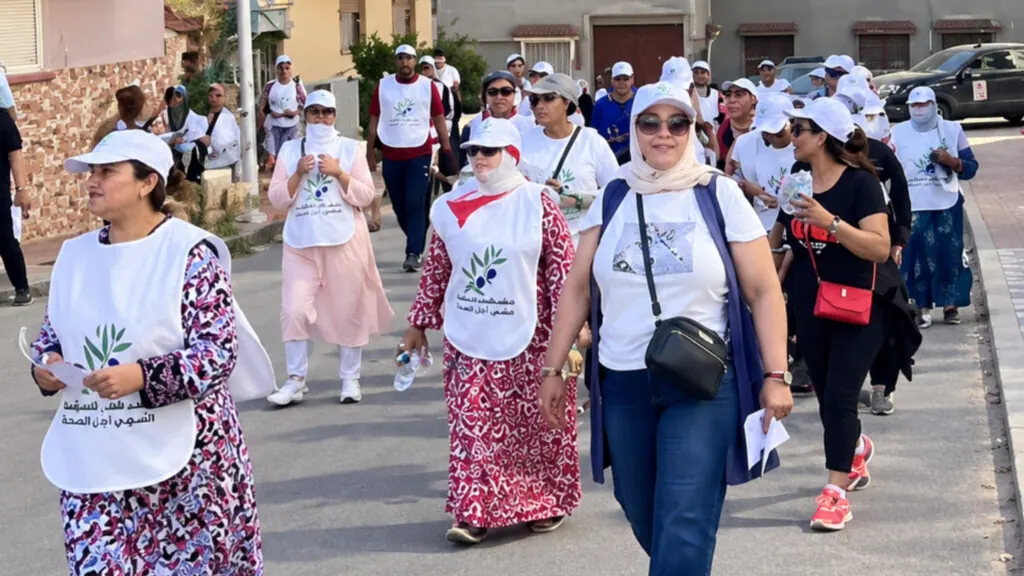
The Moroccan city of New Medina is abuzz with excitement as Shafiqah Lacharif, backed by the Party of the Olive Tree, launches her campaign for the upcoming legislative elections. On September 20, 2026, Lacharif's supporters gathered in large numbers, creating a festive atmosphere with enthusiastic chants and slogans. The event was covered by Al-Massae, a prominent Moroccan news outlet. Lacharif's campaign is seen as a significant development in the lead-up to the elections.
Despite the energetic atmosphere, concerns have been raised about the lack of a clear program from Lacharif and the Party of the Olive Tree. Critics argue that the campaign's focus on emotional appeals and slogans may not be enough to win over voters. Instead, they demand concrete solutions to pressing issues affecting the community. The Party of the Olive Tree's stance on key issues remains unclear, leaving many to wonder about their vision for the future.
Lacharif's campaign has received a boost from the support of her party, which has a significant following in the region. However, her opponents are also gaining momentum. In nearby Azemmour, Tourism Minister Nadia Fettah has been actively campaigning, adding to the competitive atmosphere. The elections are expected to be closely contested, with several candidates vying for votes.
Other parties are also making their presence felt in the campaign. The Popular Movement Party, led by Aziz Rabbah, has unveiled its program, focusing on issues such as purchasing power, housing, and employment. The party's manifesto has been well-received by some voters, who appreciate the clear policy proposals. In contrast, Lacharif's campaign has been criticized for lacking substance.
The elections have also seen a significant presence of female candidates, including those from the Independence Party. In Sidi Moumen, a neighborhood in Casablanca, a female candidate has been actively campaigning, highlighting issues affecting women in the community. Her efforts have been well-received by local residents, who appreciate her focus on women's rights.
Not all candidates have been well-received, however. In Ben Kiran, a candidate has faced criticism for his comments on family law reform. His opponents have accused him of trying to impose foreign values on Moroccan society. The controversy has sparked a heated debate about the role of religion in politics.
As the campaign enters its final stages, candidates are under pressure to deliver concrete results. Voters are increasingly demanding clear policy proposals and a vision for the future. Lacharif and the Party of the Olive Tree must now demonstrate that their campaign is more than just emotional appeals and slogans. The elections will ultimately depend on the candidates' ability to connect with voters and offer practical solutions to pressing issues.
Key points
- Shafiqah Lacharif's campaign has been criticized for lacking a clear program.