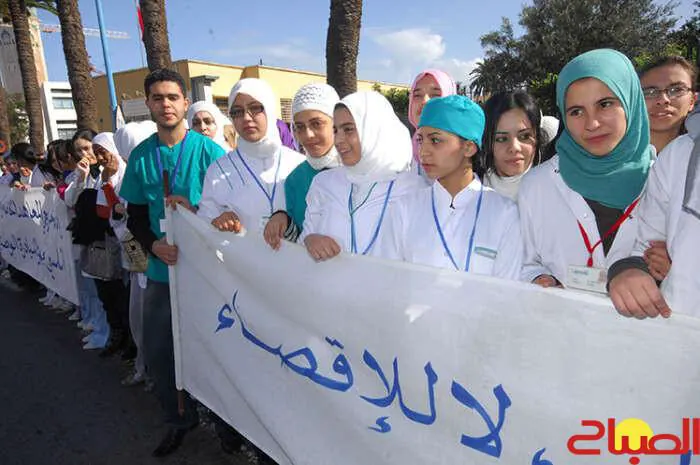
The issue of limited job opportunities for nursing graduates in Morocco has sparked concerns about rising unemployment rates among this group. According to a recent inquiry by parliamentarian Fatima Zahra Bata, the situation is dire, with a significant gap between the number of graduates and available job positions. Despite the crucial role these professionals play in the healthcare system, their employment prospects remain uncertain.
The allocation of 8,000 financial positions to the health sector was expected to improve job prospects for graduates. However, only around 5,000 positions were actually allocated to nurses and health technicians. This shortfall has raised concerns about the government's ability to address the growing number of unemployed graduates. With approximately 8,500 graduates seeking employment, including 1,500 new graduates this year and 7,000 from previous years, the competition for available positions is fierce.
The mismatch between the number of graduates and available job positions has significant implications for the healthcare system. The parliamentarian questioned the government's strategy for integrating nursing graduates into the workforce, citing concerns about the limited number of positions available for new specializations. Despite the launch of new training programs in areas such as surgical nursing, kidney disease, and gerontology, the number of job openings for these specializations remains limited.
The issue highlights the need for better coordination between education and employment policies in the healthcare sector. The parliamentarian called on the Minister of Health to disclose the government's plan to absorb nursing graduates and reduce unemployment among this group. The plan should address the shortage of job opportunities and provide a clear strategy for integrating graduates into the workforce.
The parliamentarian also requested information on the total number of financial positions to be opened by public institutions in the health sector for nurses and health technicians this year. This includes positions within territorial health groups, the Moroccan Agency for Blood and its Derivatives, and the Moroccan Agency for Medicines and Health Products.
The situation underscores the need for forward-thinking planning to ensure that the number and specialties of graduates align with the actual needs of the healthcare system. The parliamentarian asked about the government's strategy for anticipating and meeting the needs of the healthcare system, particularly in light of new specializations launched since 2022.
The issue of limited job opportunities for nursing graduates in Morocco requires a comprehensive solution that addresses the root causes of unemployment. The government must work to create more job opportunities and develop a strategy for integrating graduates into the workforce. This will require close collaboration between the Ministry of Health, educational institutions, and other stakeholders to ensure that nursing graduates can find meaningful employment.
Key points
- The Moroccan government allocated 8,000 financial positions to the health sector, but only 5,000 were allocated to nurses and health technicians.
- There are approximately 8,500 nursing graduates seeking employment in Morocco, including 1,500 new graduates this year.
- The government has launched new training programs in areas such as surgical nursing, kidney disease, and gerontology, but job openings for these specializations remain limited.