As commercial oil production approaches in Kenya's Turkana county, approximately 3300 people are awaiting compensation for their land and property. The government has set a target of December 1, 2026, for the first commercial oil production, and the pressure to complete compensation for project-affected households is mounting. The compensation exercise has raised questions over the rights of pastoral communities and the impact of displacement on their livelihoods.
The oil project, located in the South Lokichar Basin, has been under development for several years, with Gulf Energy commencing drilling at the Amosing-1 well pad on Friday. Energy Cabinet Secretary Opiyo Wandayi stated that drilling operations will continue uninterrupted, with the goal of having President William Ruto flag off the first trucks transporting crude oil to the Port of Mombasa for export in the first week of December.
The government has allocated Sh200 million for the initial compensation of affected development structures. A joint team from the Department of Lands and Physical Planning, the State Department for Petroleum, and the National Land Commission (NLC) is overseeing the compensation process. The team is engaging affected communities, issuing compensation awards, and verifying documentation required for payment.
However, concerns have been raised over the valuation of property and the rights of communities whose land is held collectively. The compensation process has exposed difficulties in determining the value of land and property, particularly for pastoral communities where access to grazing land, water, and established livestock routes is essential to survival.
The Nakukulas Economic Development Organisation, a grassroots community and advocacy organisation, has been following the compensation exercise. According to the organisation's secretary, James Namuron, some project-affected people are receiving between Sh1.5 million and Sh2.8 million, depending on the type of houses they have built. However, the amounts being paid vary considerably, with some owners of manyatta houses receiving between Sh120,000 and Sh150,000.
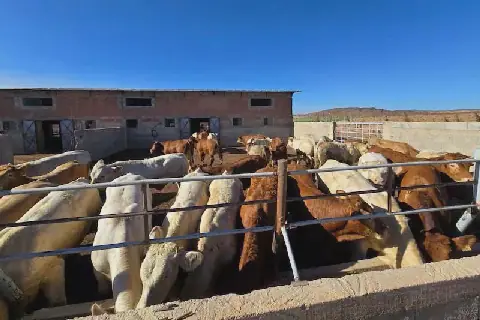
The impending displacement threatens to disrupt the pastoral way of life in communities where access to grazing land, water, and established livestock routes is essential to survival. Mr. Namuron stated that some families have established permanent settlements in strategic locations to protect their livestock from frequent attacks by armed bandits. Their relocation could force them back into areas they had abandoned years ago due to insecurity.
With drilling now underway and the first commercial oil production target approaching, the government faces pressure to conclude the compensation process without overlooking the concerns of the communities whose land and livelihoods are at stake. The government has two weeks to complete the compensation process, with Gulf Energy Country Manager Franklin Juma stating that a multi-agency team is overseeing the final stages of compensation.
Key points
- 3300 people in Kenya's Turkana county face displacement as commercial oil production nears
- The Kenyan government has allocated Sh200 million for the initial compensation of affected development structures
- The compensation process has raised questions over the rights of pastoral communities and the impact of displacement on their livelihoods