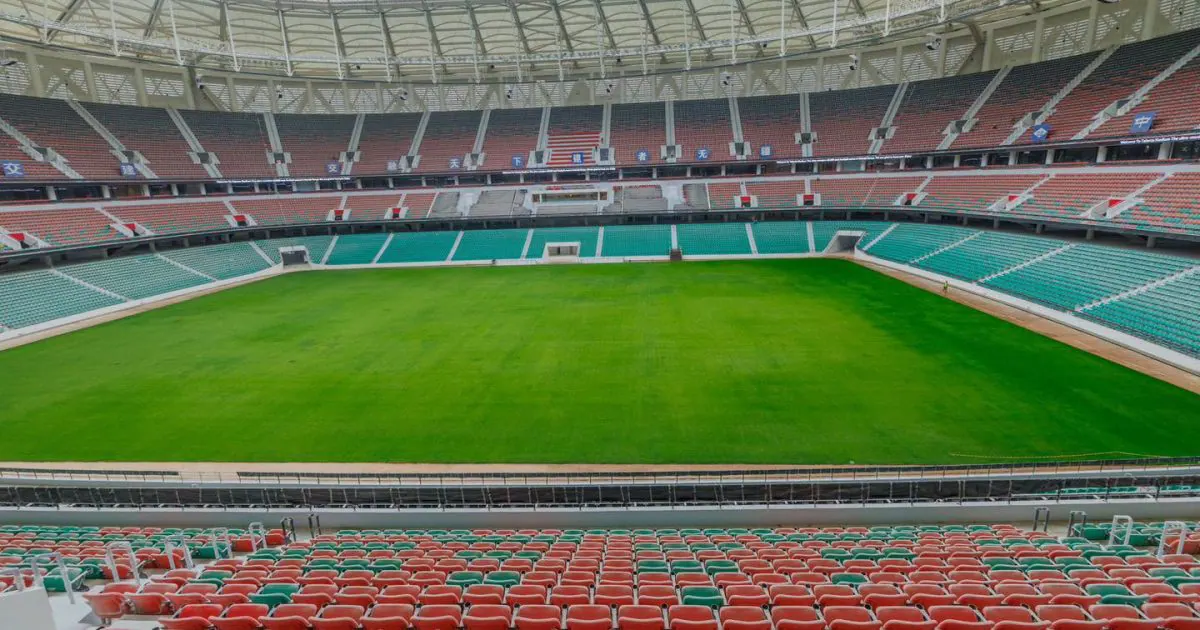
Kenya's Talanta Stadium, officially known as the Raila Odinga International Stadium, is the country's flagship sports project ahead of AFCON 2027. Located at Nairobi's Jamhuri grounds, the 60,000-seater facility was built at a cost of nearly Ksh45 billion. The stadium boasts modern architecture, skyboxes, a hybrid pitch, and advanced systems, generating excitement and praise. However, concerns over certain aspects of the facility have left Kenyans questioning whether it fully lives up to its "world-class" billing.
One major concern centres on the seating, particularly the bucket-style seats installed on the lower tier. These fixed, non-foldable plastic seats have sparked criticism, with some Kenyans arguing that they appear outdated and offer limited legroom. In contrast, world-class stadiums and CAF/FIFA preferences generally favour sleek, foldable seats that maximise comfort, improve aesthetics, and make maintenance easier. The higher tiers and VIP sections have received better treatment, but the lower-tier seats have left some fans feeling short-changed.
Comparisons with renovated facilities at Kasarani and Nyayo, as well as newer stadiums in the region, have further fuelled concerns that the lower bowl falls short of the ultra-modern promise attached to the project. This has led some to question whether the stadium's design prioritises style over substance. Despite its modern facilities, the seating controversy has raised questions about the overall fan experience at Talanta Stadium.
Another issue involves the LED screens, which many Kenyans have criticised as smaller than expected. In an era when large, high-resolution video boards are increasingly common at major sporting venues, screens play a crucial role in enhancing the atmosphere. At a stadium of Talanta's scale, fans expect the visual experience to match the size of the architecture and the ambitions of hosting continental football.
The smaller screens could make the venue feel less cutting-edge, particularly during night matches and high-profile events where visual presentation is essential. This has led to concerns that the stadium may not be able to deliver the desired experience for fans and sponsors. The LED screens are a critical component of the stadium's overall experience, and their size and resolution have a significant impact on the event atmosphere.
While the two concerns do not erase the stadium's overall progress or its potential as a national landmark, they highlight the gap between the massive investment in the facility and the everyday expectations of fans. True world-class status is measured not only by capacity, architecture, and construction cost but also by the quality of the experience offered to ordinary spectators.
Addressing these visible concerns would help Talanta Stadium come closer to fully living up to its billing as a "jewel of Africa." The stadium's design flaws have sparked a national conversation about the importance of prioritising fan experience in the design and construction of sports facilities. By addressing these concerns, the stadium can ensure that it delivers an exceptional experience for fans and sets a new standard for sports venues in the region.
Key points
- The stadium's seating and LED screens have been criticised for being outdated and not meeting fan expectations.
- The concerns have raised questions about whether the stadium's design prioritises style over substance.
- Addressing the design flaws will be crucial to ensuring that the stadium delivers an exceptional experience for fans.