Kenya is taking proactive steps to prepare its health system for a potential future HIV cure by integrating HIV services into regular primary care. This move is part of a broader strategy to strengthen the delivery of health services through primary healthcare. The Kenya AIDS Integration Strategic Framework 2025–2030 aims to achieve this integration, which could help the country prepare for a new treatment that would need to be delivered through existing health facilities, laboratories, and supply systems.
Medical training institutions in Kenya are reviewing their courses to equip both new and practising health workers with the necessary skills to handle a potential HIV cure. Laboratory workers will play a crucial role in confirming treatment outcomes, supporting surveillance, and helping health systems understand how the intervention performs in real-world settings. Oluoch, a key figure in Kenya's HIV response, emphasized the importance of laboratory professionals in a future HIV cure.
Several approaches are being explored to achieve an HIV cure, including removing HIV that remains hidden in cells and helping the body control the virus without daily treatment. HIV is challenging to eliminate because it hides in a small reservoir of dormant immune cells that antiretroviral drugs cannot detect or clear. However, a few people have been reported cured after stem cell transplants from donors with a rare gene mutation that blocks HIV, offering hope for researchers.
African countries, including Kenya, must be able to generate their own evidence when new HIV technologies are introduced. Oluoch stressed the need for health workers to not only use evidence but also generate evidence that reflects African populations, health systems, financing realities, and supply environments. This will enable the development of tailored solutions that meet the unique needs of African countries.
Regulation must also keep pace with scientific progress to ensure that new interventions are assessed, monitored, and responded to quickly as evidence evolves. Health workers will need to understand how a new HIV treatment could interact with medicines used to treat other illnesses, such as tuberculosis, diabetes, and hypertension. This requires strong competencies in medicine safety and post-market surveillance.
Kenya has gained experience introducing new long-acting HIV medicines, including Lenacapavir, an injectable HIV prevention medicine rolled out in February. The introduction of Lenacapavir has required training, regulation, procurement, supply systems, and patient monitoring, providing valuable lessons for preparing for other new HIV technologies. The 2026 United Nations political declaration on HIV/AIDS calls for continued research towards an HIV cure and vaccine.
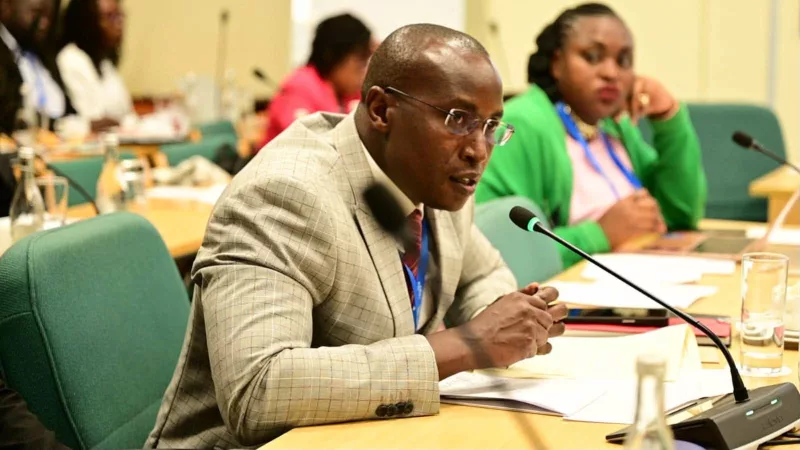
Health experts, researchers, and officials gathered at the World Agroforestry Centre to discuss how countries can prepare their policies, health systems, financing, regulation, and communities for a possible cure. The meeting highlighted the importance of building on existing HIV programmes, such as laboratories, buying systems, regulators, and community-led services. Lessons from past HIV programmes should guide the allocation of resources, manufacturing, regulations, and fair access to ensure that future innovations are safely and equitably delivered to patients.
Key points
- Kenya is integrating HIV services into primary care to prepare for a potential HIV cure.
- Laboratory workers will play a crucial role in confirming treatment outcomes and supporting surveillance.
- African countries must generate their own evidence when new HIV technologies are introduced.