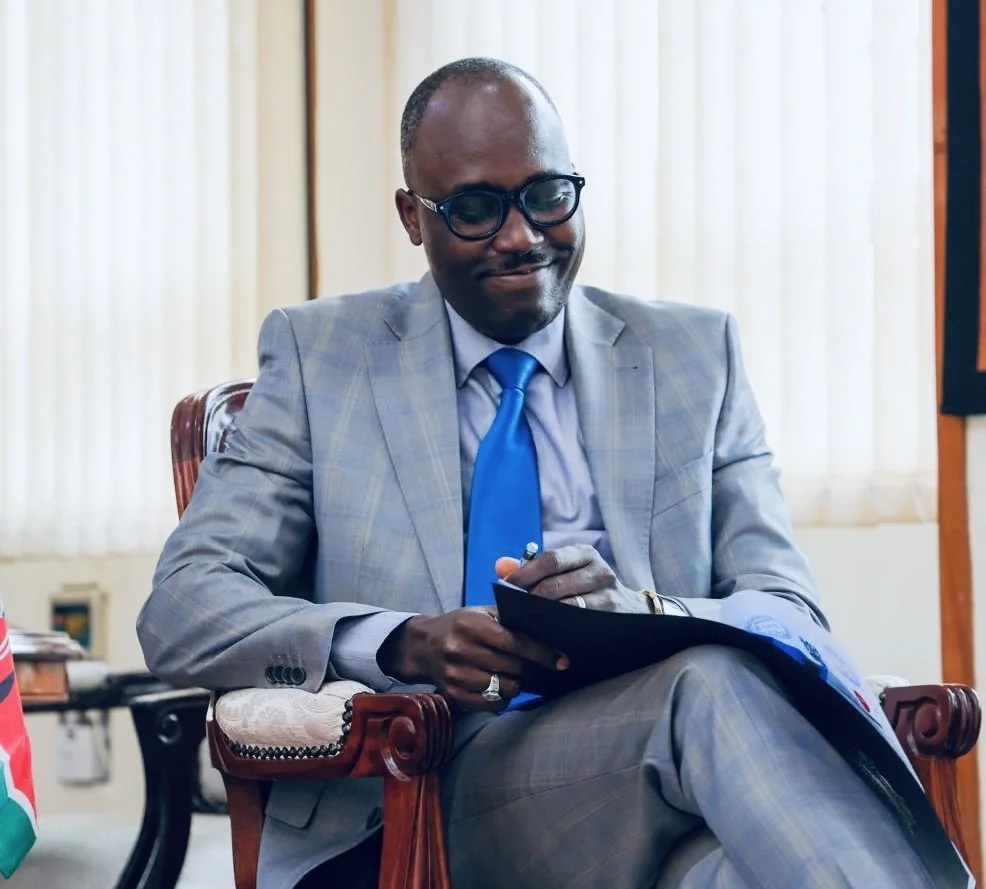
Kenya has joined a new international partnership aimed at strengthening global cooperation and supporting changes to the multilateral system. The Partnership for Multilateralism (P4M) brings together countries from different parts of the world around shared commitments to peace, international law, sustainable development, shared prosperity, and human rights. Foreign Affairs Principal Secretary Korir Sing’Oei said Kenya will work with the founding members, subscribers, and other interested actors to advance the objectives of the P4M.
The P4M was launched with founding members including Australia, Barbados, Brazil, Canada, the European Union, and India. The partnership seeks to promote cooperation through a new platform as countries respond to changes in the global system. The launch comes amid continued calls for changes to United Nations institutions to make them more representative and better able to respond to shifts in global power and international relations.
The UN was created in 1945 with 51 member states and has since expanded to 193. All member states are represented in the General Assembly, with each country having one vote. However, the Security Council has 15 members, with five permanent members having veto powers, while the other 10 are elected for two-year terms. Calls to reform the Security Council have been discussed through intergovernmental negotiations at the General Assembly for several years.
Key issues in the reform discussions include equitable representation and proposals to expand the Council's membership. The African Union has maintained a common position seeking stronger African representation on the Security Council, including two permanent seats for Africa with the same rights and privileges as the existing permanent members. Kenya has previously held an elected seat on the Security Council, serving during the 2021–2022 term.
The P4M declaration highlights the challenges facing the international community, including conflict, geopolitical tensions, economic pressure, and rapid technological growth. The partners expressed concern over increasing divisions between countries, violations of international law, and a greater reliance on power politics, protectionism, and coercion. They also emphasized the close links between economies and the disruption of trade, supply chains, investment, and development financing.
Under the partnership, countries will seek closer cooperation in areas including artificial intelligence, digital transformation, climate change, global health, and international finance. The declaration also backs efforts to reform the United Nations through initiatives such as UN80, aimed at strengthening the UN's ability to prevent conflicts, deal with crises, support sustainable development, and protect human rights and the rule of law.
The partnership will remain open to countries and other partners from different regions, with founding members holding regular exchanges focused on dialogue, coordination, and practical cooperation. The P4M members reaffirmed their support for the UN Charter while calling for a global system that gives greater space to different regions and countries. The partnership aims to provide a framework for cooperation, respect for international law, multilateralism, and shared responsibility.
Key points
- Kenya joins Partnership for Multilateralism to push for UN reforms and global cooperation
- Partnership aims to promote cooperation in areas such as artificial intelligence, digital transformation, and climate change
- UN reforms are intended to strengthen the organization's ability to prevent conflicts, deal with crises, and protect human rights