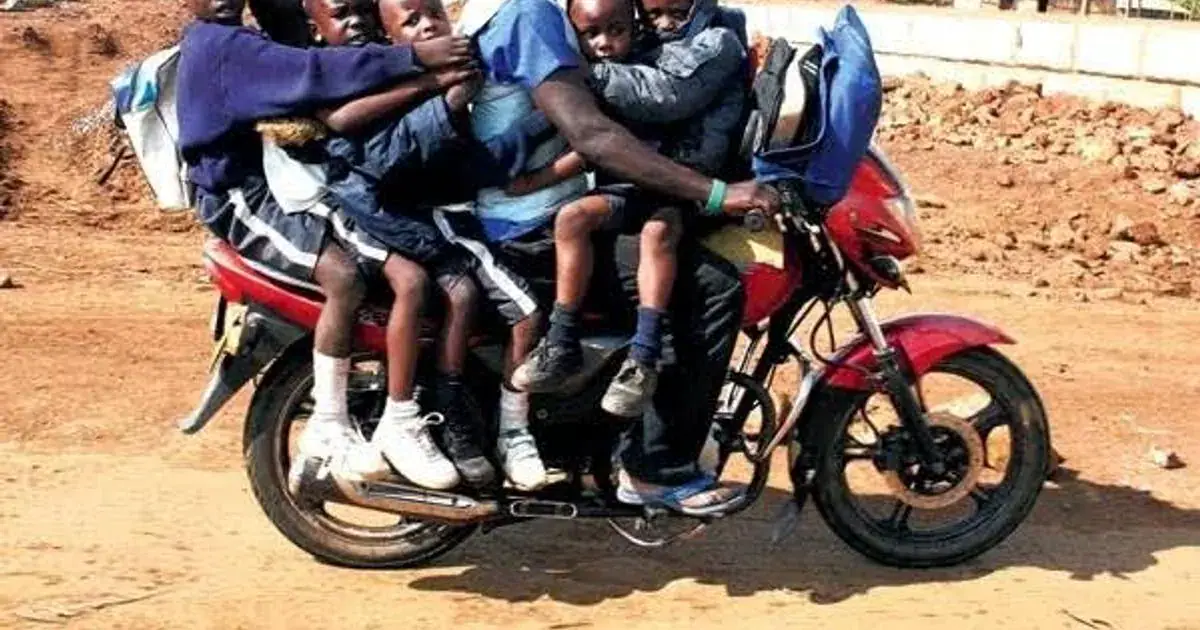
The National Transport and Safety Authority (NTSA) in Kenya has introduced a new digital registration system for boda boda riders, aiming to improve safety and accountability in the industry. The Boda Boda Management System (BMS) will help authorities identify individual riders, link them to their operating areas, and establish motorcycle ownership. This move is expected to tackle motorcycle theft and improve regulation of the sector, which employs over 2.5 million operators and contributes 4.4% to the national GDP.
The BMS has been rolled out to bring riders onto a digital platform that captures their operating locations, stages, and drop-off areas. NTSA Assistant Director of Road Safety Programmes Samuel Musumba stated that the system will help authorities identify riders and link them to their operating areas. The authority is working with county governments to register riders under recognised Savings and Credit Cooperative Organisations (SACCOs) and organise them around designated stages. Nairobi has already started implementing parts of the arrangement.
The new registration rules require riders to be members of a recognised operator organisation and comply with county operating arrangements. Riders in different areas are being identified through colour-coded reflector jackets. County enforcement teams are checking whether riders belong to recognised SACCOs and operate within designated structures. The system aims to give authorities a clearer picture of who is operating a motorcycle taxi, where the rider works, and which organisation the operator belongs to.
The industry has faced problems involving unregistered operators, motorcycle theft, unclear ownership records, and disputes over bikes sold without completing the legal transfer process. NTSA says the BMS will help establish links between riders and the motorcycles they operate. This information will help authorities and SACCOs trace motorcycles reported stolen and identify operators involved in incidents. The legal framework requires motorcycle taxi operators to belong to a body corporate registered with NTSA.
Under the National Transport and Safety Authority (Operation of Motorcycles) Regulations, as amended in 2022, an organisation seeking registration must provide its certificate of registration or incorporation, have at least 100 motorcycle taxi operators, and submit a list of motorcycle owners and registration numbers. Registered operators may also be required to provide NTSA with details of their riders and the geographical areas in which they operate.
The sector generates around Sh660 billion annually, supporting fuel taxes and license fee revenues. Motorcycle ownership and the 14-day transfer rule are crucial for people who buy or sell second-hand motorcycles. A motorcycle should not continue operating on public roads indefinitely under the previous owner's records after a sale. NTSA has reminded vehicle and motorcycle owners that Section 9 of the Traffic Act requires ownership transfers to be completed within 14 days.
NTSA has described the BMS as a countrywide initiative, but its update does not set out a complete national registration timetable, a uniform application procedure, or any new fees for riders. The authority says the objective is to organise and regulate the industry, not simply to punish operators. For riders, motorcycle owners, and passengers, the success of the system will depend on whether registration, ownership records, and enforcement become consistent across counties.
Key points
- The new digital registration system aims to improve safety and accountability in the boda boda industry.
- The system will help authorities identify individual riders and link them to their operating areas.
- The sector generates around Sh660 billion annually, supporting fuel taxes and license fee revenues.